‘Tis the season for sweet breads. These unsung heroes of the holiday season fill the spaces in between decadent dishes with their warm, not-too-sweet and festive flavors. Typically built for sharing, sweet breads offer a tasty centerpiece at winter gatherings and a point for reflection on cultural heritages. We’re looking at six special sweet breads that only come around once per year, so take note and enjoy them while they’re here!
Sweet breads are not your ordinary loaves. They’re rich, warm, zesty and sweet with ingredients like nuts, candied orange peels and raisins. Sometimes breakfast, sometimes dessert, they’re kind of a cake-meets-bread hybrid. Recipes typically call for enriched doughs high in butter, sugar and dairy, which keep the bread moist in the dry winter air and take on a browned, melt-y texture when baked. Shapes like stars and powdered sugar coatings only add to the wintry appeal. While many of these traditional recipes are often made at home, there are a handful of specialty bakeries offering them, too.
Stollen
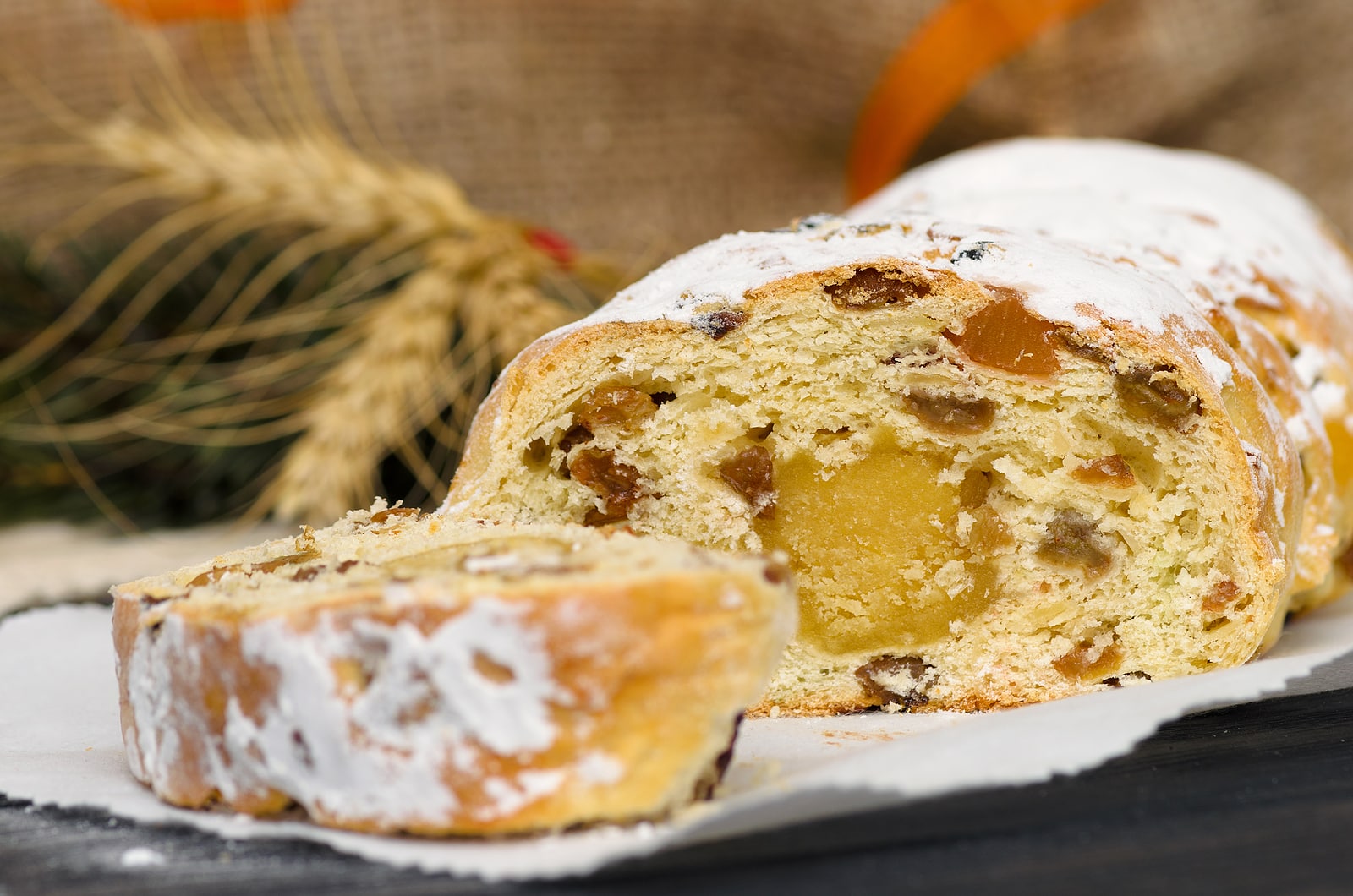
Dense and buttery with little bursts of tart fruit, stollen is a traditional German sweet bread that remains popular 700 years after its creation. It’s served during the season of Advent, famously in gargantuan form at the annual Dresden Stollen Festival, where a multi-ton loaf gets paraded through the streets.
Though its shape is said to resemble a swaddled baby Jesus, it’s also comparable to a snowy log covered in powdered sugar or an icy glaze. Through the core runs a marzipan (almond-sugar) paste, with dried and candied fruits speckled throughout each slice. It’s chewy, surprising and satisfying.
You’ll find Stollen at certain German bakeries from November through late December, including Yori’s Bakery in West Chester and Danish Bakers in Rockledge.
Panettone
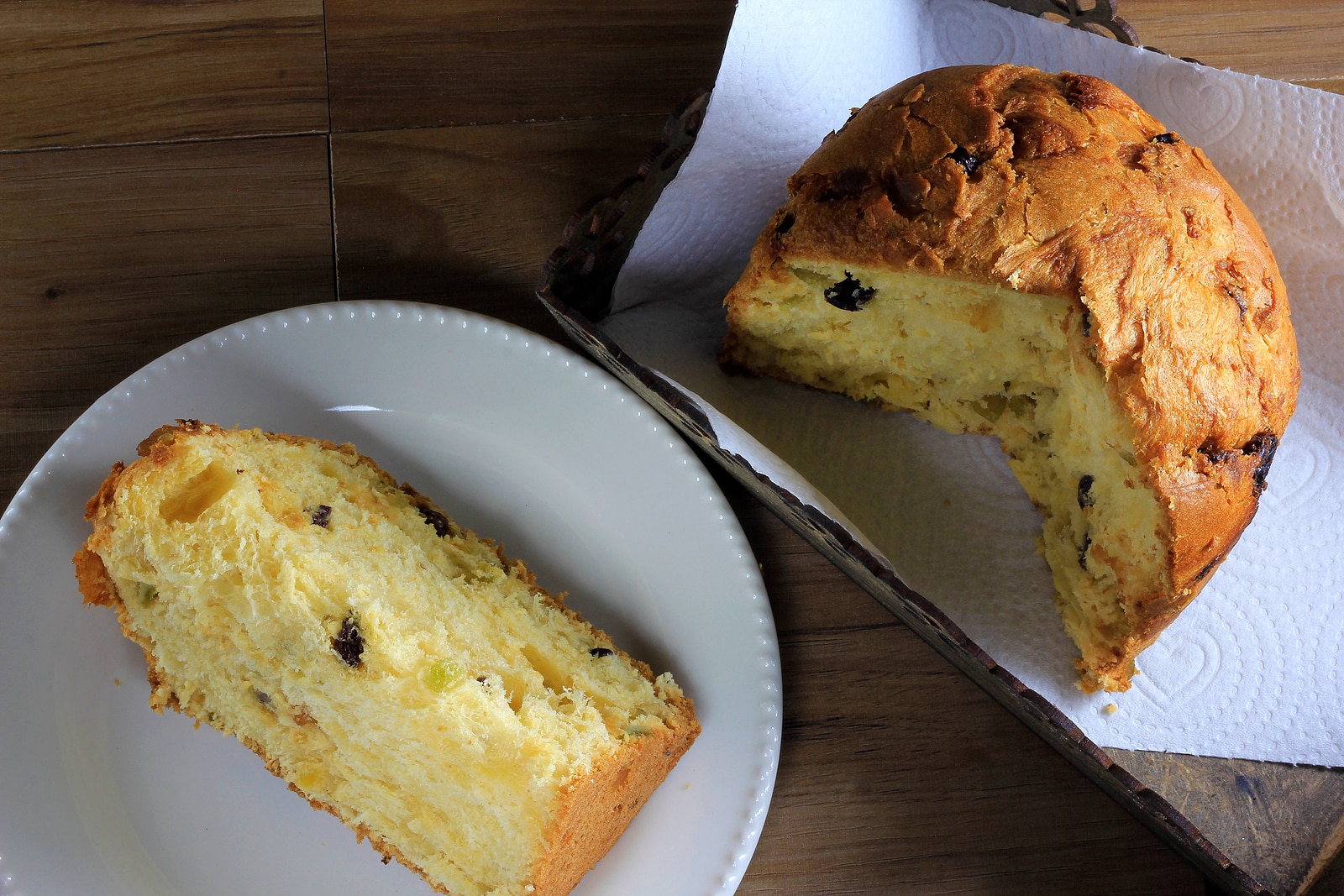
This airy, dome-shaped bread is a quintessential Italian treat around the holidays. First created in Milan, its distinct fluffy texture is achieved through a multi-day, multi-step process that includes “proofing” the dough for a rest, rise and leavening. Citrus peels and raisins often speckle the bread, sometimes along with other candied fruit, zest and nuts like pistachios and almonds.
You’ll often see imported and pre-packaged panettone at Italian grocers, which is certainly tasty, but you’ll also find freshly-baked domes at Italian bakeries like Varallo Brothers Bakery and Osteria in Philadelphia and Pane è Pronto in Pittsburgh. Carlino’s Market (multiple locations in SEPA) goes the extra mile with its panettone, which flies off the shelves in flavors like limoncello, salted caramel, cherry, tiramisú and traditional Milanese and ships to your door.
Rosca de Reyes
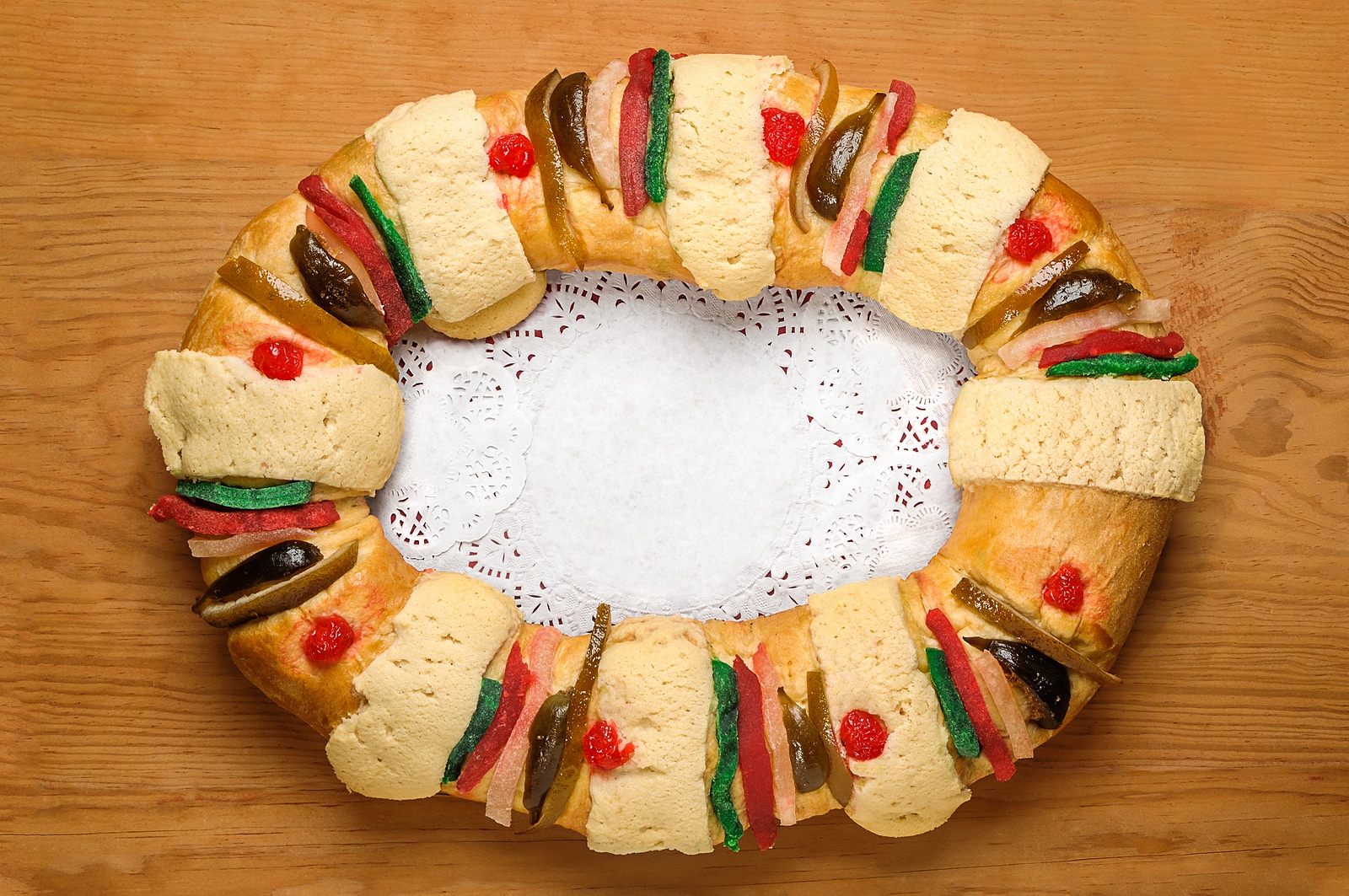
Rosca de Reyes arrives in early each year for Día de los Reyes (Three Kings’ Day aka Epiphany), celebrated on January 6. This baked, slightly sweet ring with a tender crumb is meant to be enjoyed communally, with a special surprise baked in. One person will find little nativity figurine tucked into their slice. That means they’re supposed to host Día de la Candelaria on February 2, marking the end of the holiday season.
This circular shaped pastry symbolizes eternal love as well as a crown, and its history traces back to medieval Spain. You’ll only find this special sweet bread in late December and early January, often at neighborhood panaderías and local bakeries by special order. Try Panaderia Estrella, Wenger’s Bakery in Reading and Panaderia Jazmin Pittsburgh and pair it with coffee or a nice hot chocolate.
Bobalki
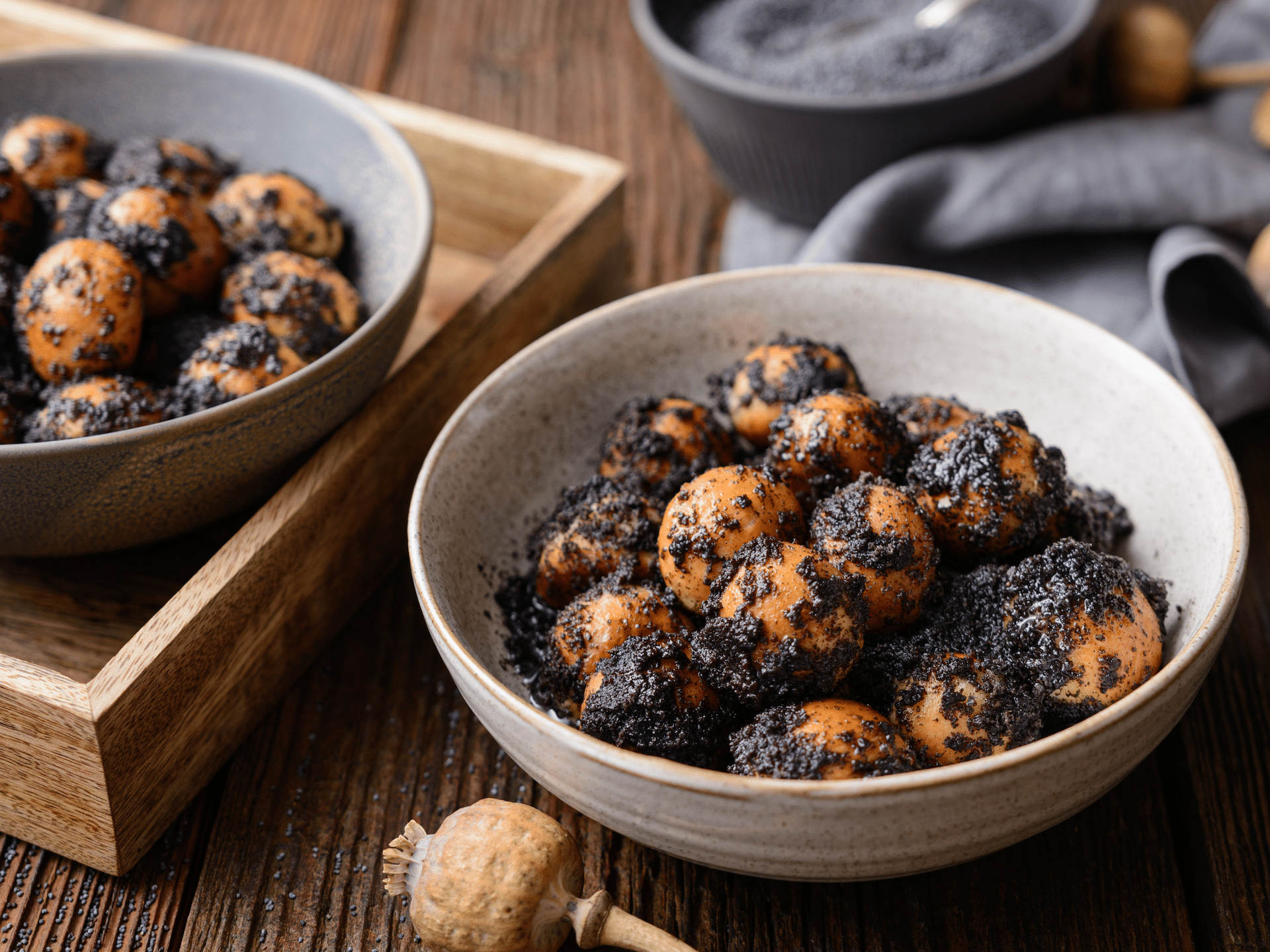
Bobalki is a signature part of the traditional Slavic 12-course meatless meal on Christmas Eve, called Vigil. Accompanying other Eastern European dishes like pieorgi and mushroom soup, it’s a heritage food that pops up once a year.
Bobalki are small bread balls baked to a golden brown. They’re typically dried for a day or two and then doused in hot water or milk before serving. There are two main versions of bobalki – savory and sweet. The former includes browned butter, sautéed onions and saurkraut. The latter is a dessert slathered in a sweet honey-poppy seed topping.
Most bobalki is homemade using ancestral recipes or those found online. However, you can sometimes find commercially prepared bobalki or the poppy seed topping at specialty markets, local bakeries and Slovak and Polish churches.. For authentic bobalki in the Pittsburgh area, check out Minerva Bakery in McKeesport.
Lussekatter (St. Lucia Saffron Buns)
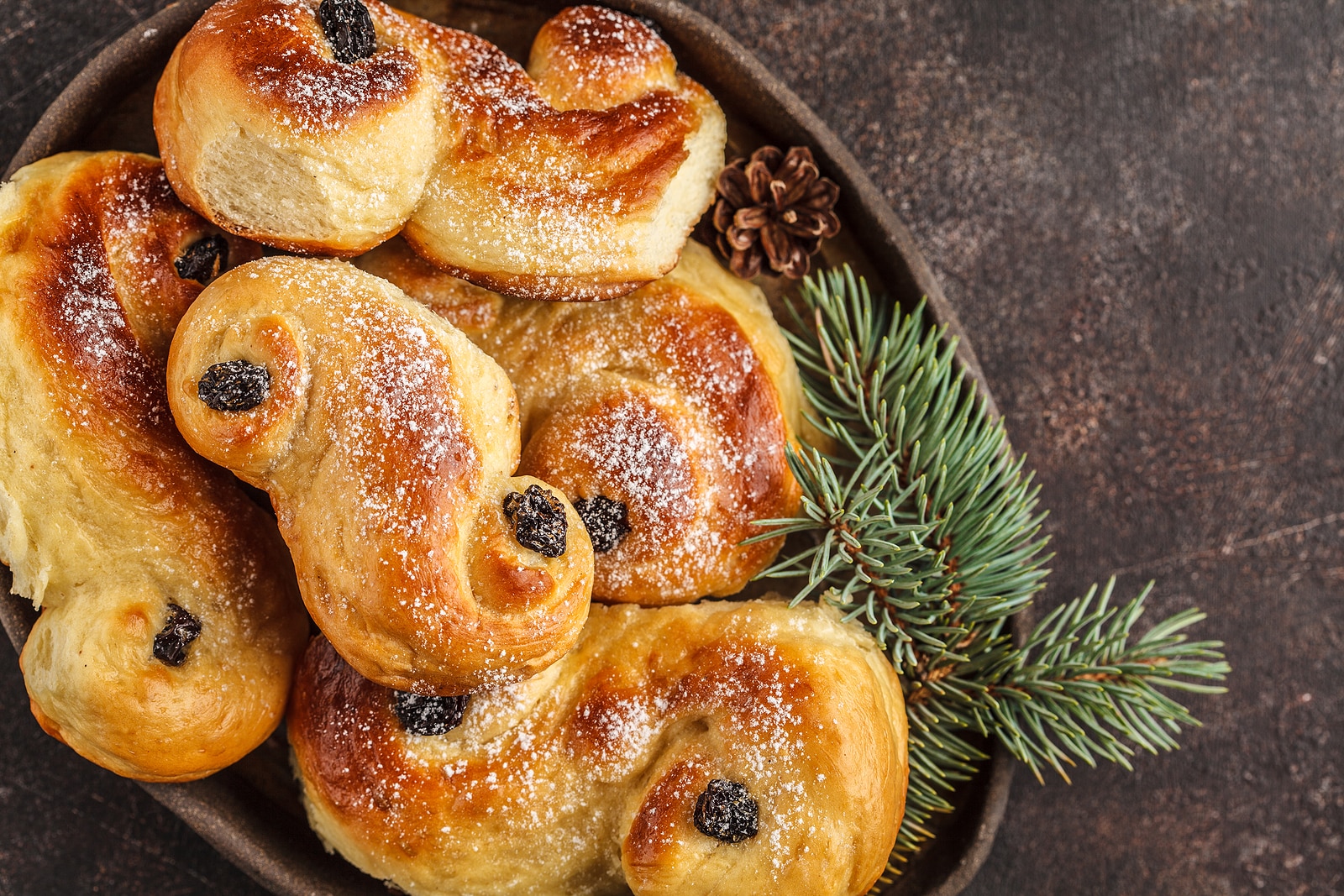
Saffron buns? Say no more. Lussekatter, or Saint Lucia Buns are sweet rolls infused with saffron and baked in an S-shape meant to resemble a curled-up cat, a symbol of light in Norse mythology. These special Scandinavian buns pop up in late November and early December for Saint Lucia Day, December 13, before vanishing again before the new year.
Lussekatter are slightly sweet with the earthy, floral flavor of saffron and, sometimes, aromatic cardomom. They’re often served warm with a hot cup of black coffee or some spiced glögg.
Artisan micro-bakery Ketmala Bakes in West Chester offers saffron buns among other seasonal loaves, and we suggest inquiring with Swedish and Scandanavian bakeries near you to find them before they’re gone.
Pandoro
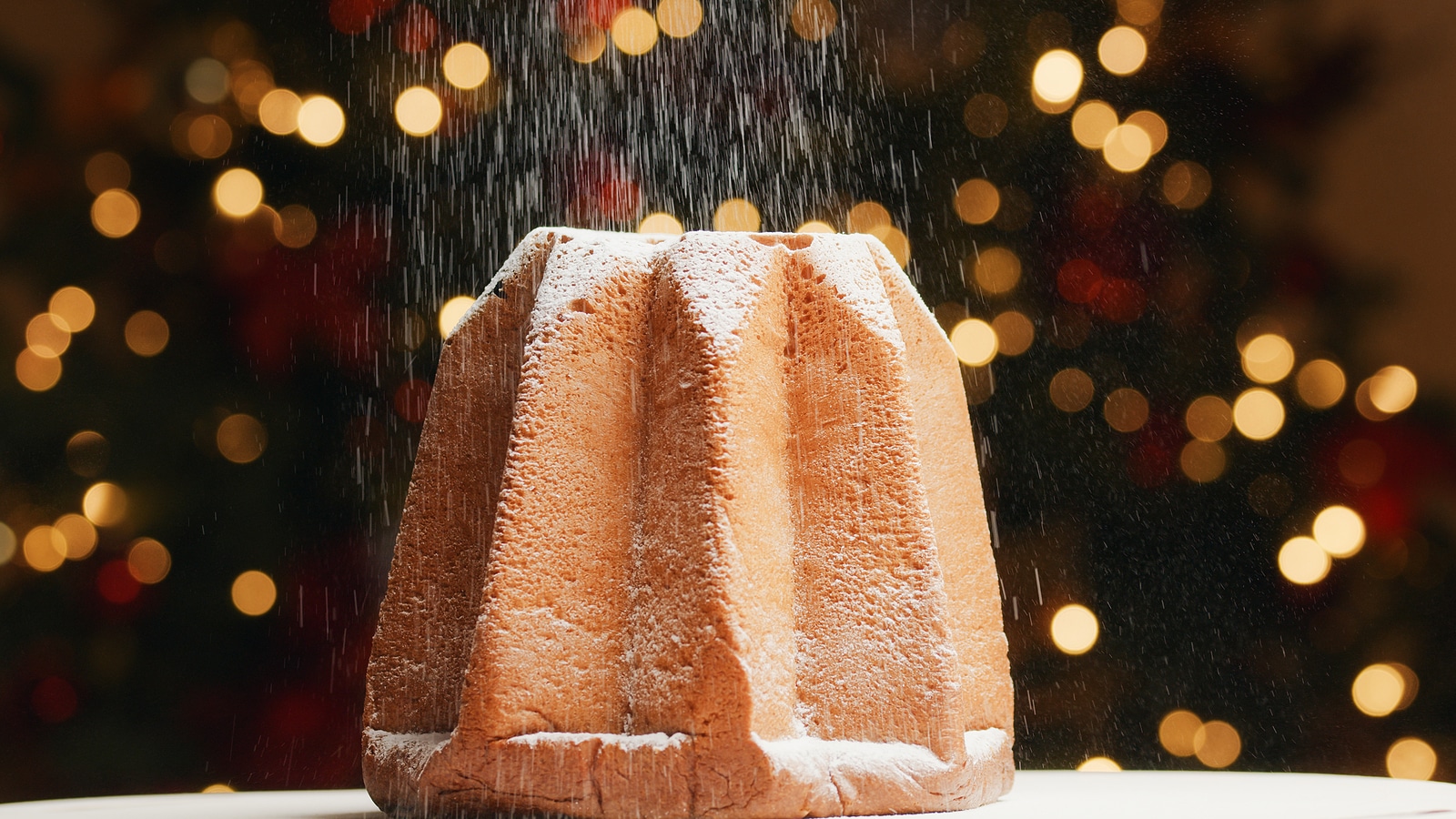
Like panettone, pandoro is an Italian sweet bread we usually only see around the holidays. It’s equally-if-not-more fluffy, with a sweet, buttery flavor uninterrupted by fruits or nuts. Panodoro hails from Verona and is baked in an eight-point star shape. It draws comparisons to the snowy Italian Alps, as it’s frequently dusted with powdered sugar on its peaks.
Pandoro nearly melts in your mouth and offers a nice alternative to the punchy flavors of other holiday sweet breads. You can find it at Labriola Italian Markets in Aspinwall, Monroeville and Warrendale and Amerigo’s in Johnstown as well as specialty Italian purveyors like Carlino’s Market and Pennsylvania Macaroni Co. in Pittsburgh.
Do you have a favorite holiday sweet bread baker? Let us know in the comments below, or join the conversation on Facebook and Instagram!
- Bobalki photo: Canva
- All other photos: Bigstock