Certain animals just find a way into our hearts. Alpacas, with their fluffy hairdos, inquisitive personalities and soulful eyes are among those special creatures that always make us smile. It’s no wonder, then, that alpaca farming is a growing industry in Pennsylvania.
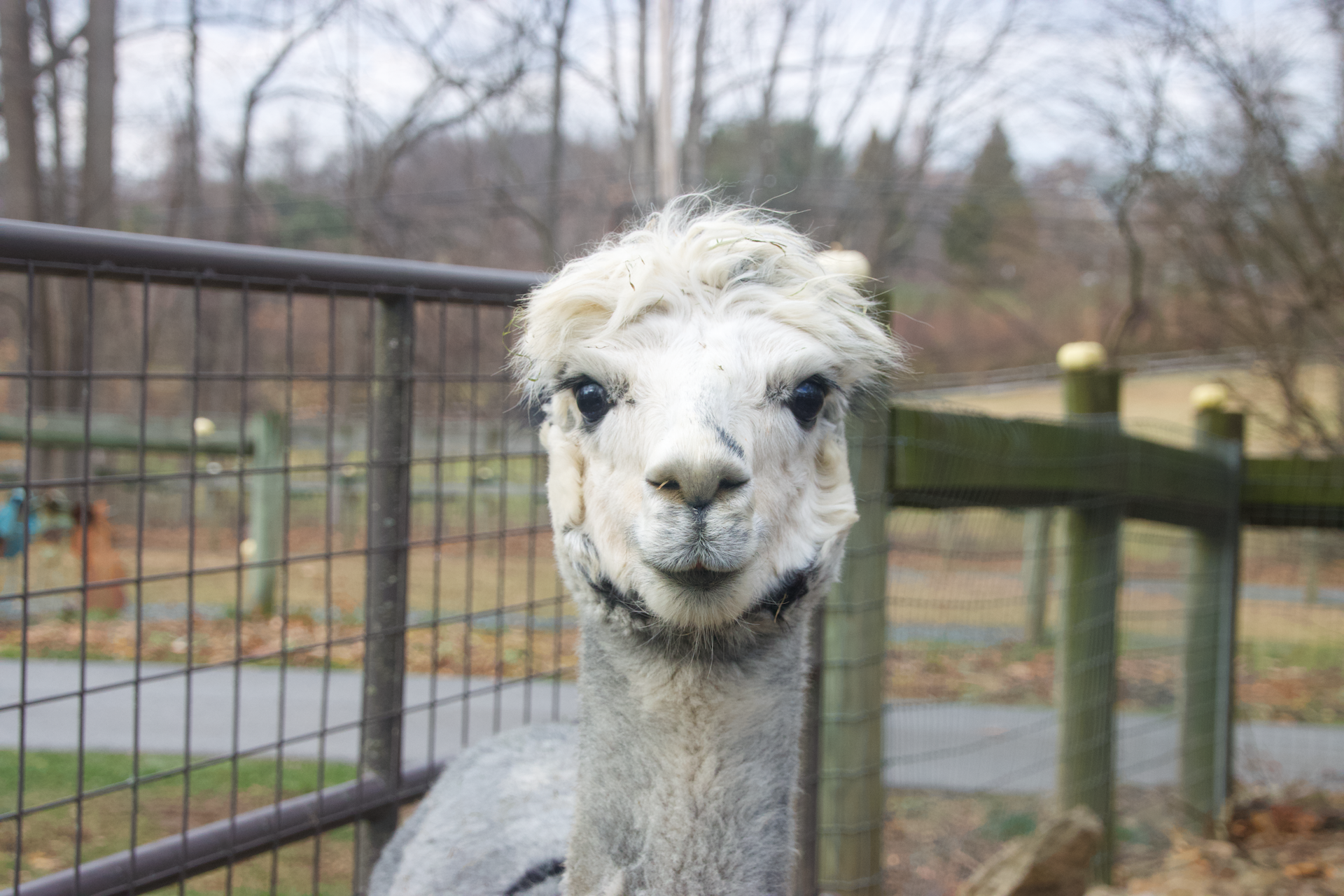
Hebe Jeebie at Silkie’s Farm
We spoke with a few PA Preferred® alpaca farmers throughout the state to learn more about this niche agricultural community and its sweet and curious animals. Mary Baxter of Pohopoco Creek Alpacas in Monroe County, Sandy and Bob Baker of Homegrown by Heroes Terrace Mountain Alpacas in Huntingdon County and Marcia Silkroski of Silkie’s Farm in Chester County all provided a glimpse into the demands and joys of alpaca farming in Pennsylvania. For each, this was an unexpected retirement path that’s become a delightful and busy farm operation.
All About Alpacas
What, exactly, are alpacas? Technically speaking, they’re a species of camelid mammals, like camels and llamas. Alpacas descended from wild vicuña and were bred in South America for thousands of years, primarily for their signature soft and warm fleece.
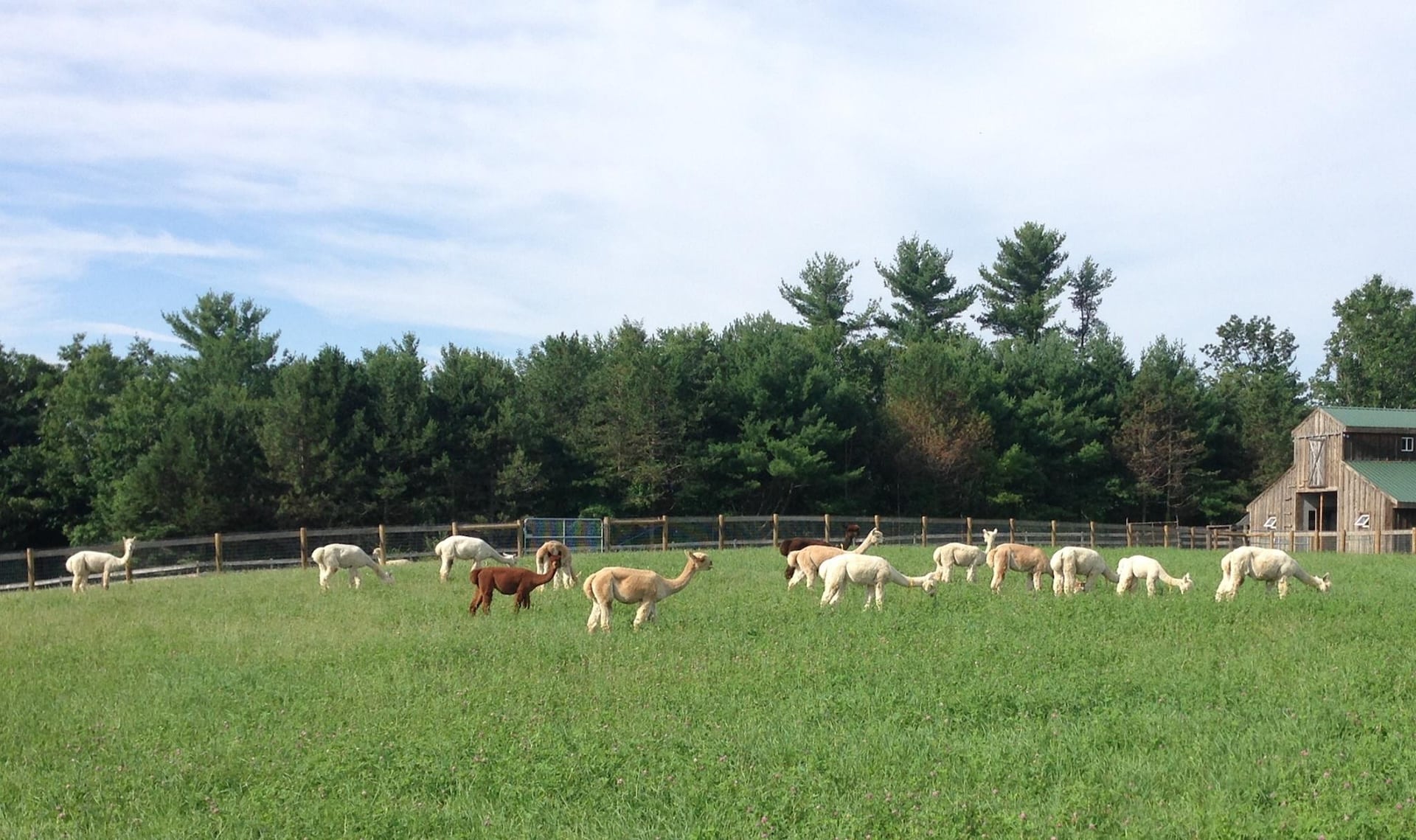
The Pohopoco Creek Alpacas farm
“They are indigenous to the Atiplano up in the Andes Mountains,” says Baxter. Millions of alpacas continue to graze this massive high plain plateau, managed by Indigenous people of Peru, Bolivia, Chile. “They’re high altitude, cold weather animals. They’re built for the cold.”
While the majority of alpacas (over 3.5 million) live in Peru, you’ll find them throughout the world including in North America, Europe and Australia. Pennsylvania, alone, is home to over 20 alpaca farms with herds of varying sizes. It’s no surprise the deep, cold winters and mountainous terrain across the state suit them well. In fact, it’s the hot, humid summers that pose more challenges.
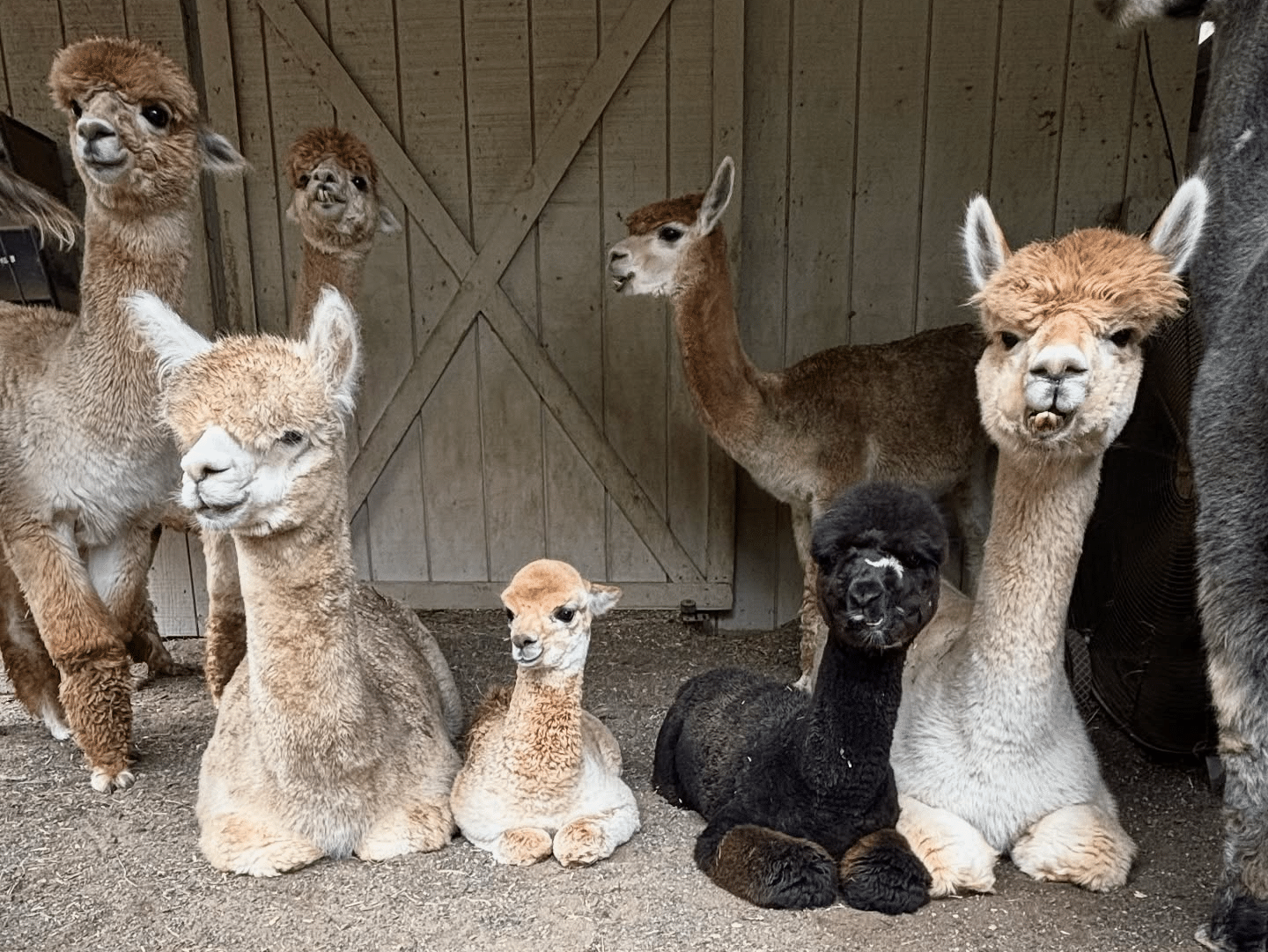
Silkie’s Farm alpacas sit by a fan
Baxter says, “I worry more about heat stress during the summer than cold in the winter. If it’s really hot and humid, they spend most of their days inside the barn, in front of the fans. They’re smart. I will also spray their legs and bellies with the hose, which they absolutely love. They thermoregulate from underneath, so it cools them off.”
As completely domesticated animals, alpacas live – and find comfort – in herds. They follow social hierarchies, form deep familial bonds, move around together and even share a collective dung pile. They’ve adapted as prey animals by hiding their injuries, making it tricky for owners to decipher their medical needs. Silkroski says that, by the time owners realize there’s a health issue, it’s often quite advanced.
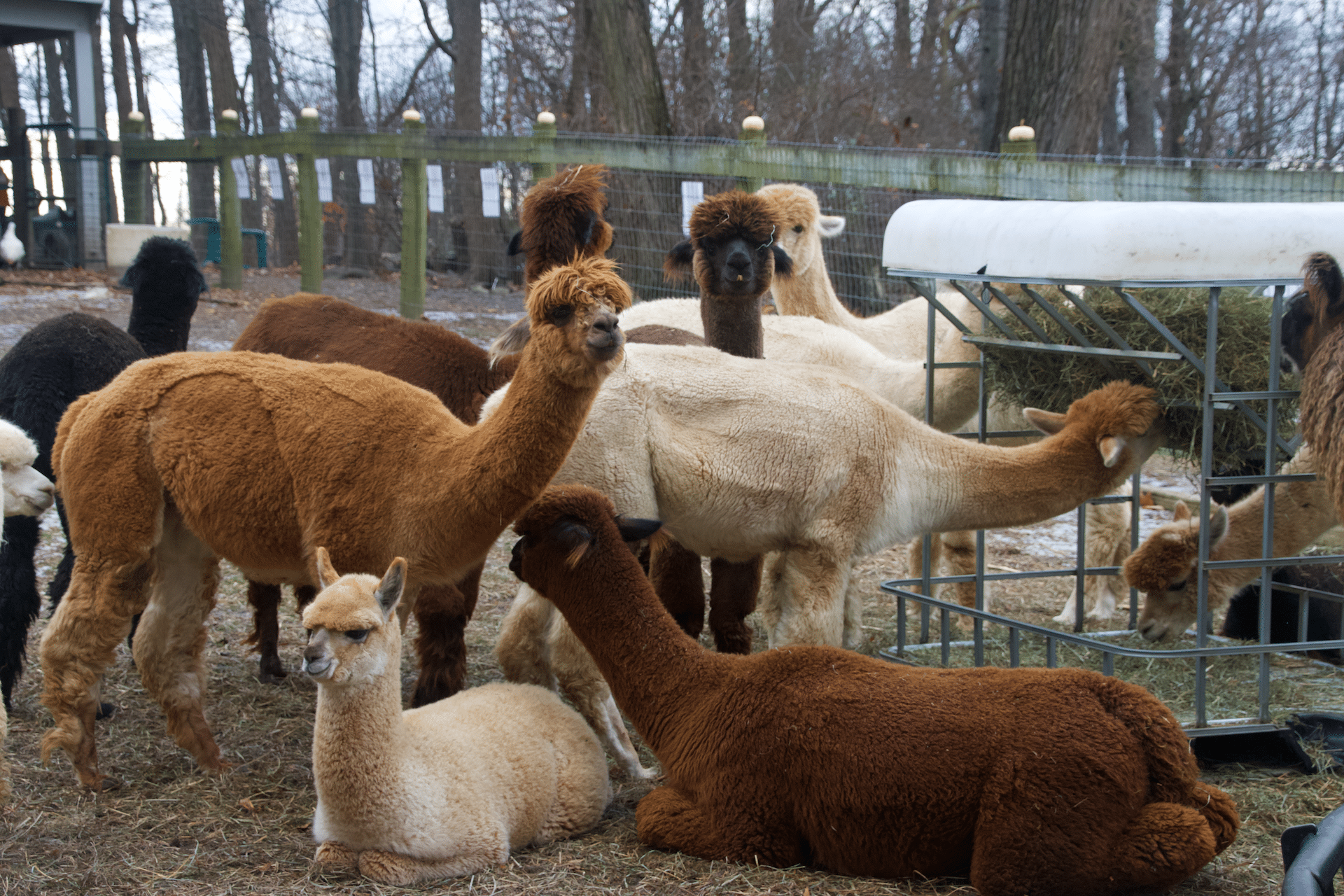
Alpacas at Silkie’s Farm
Alpacas resemble llamas, but differ in size and purpose. Alpacas are less than half the size of the typical llama, averaging about 150 lbs. And, while alpacas are nearly always farmed for their fleece, llamas take on other roles as guardian animals, transportation helpers and companions. At Silkie’s Farm, Silkroski keeps both together, with the llamas “overseeing” the alpacas.
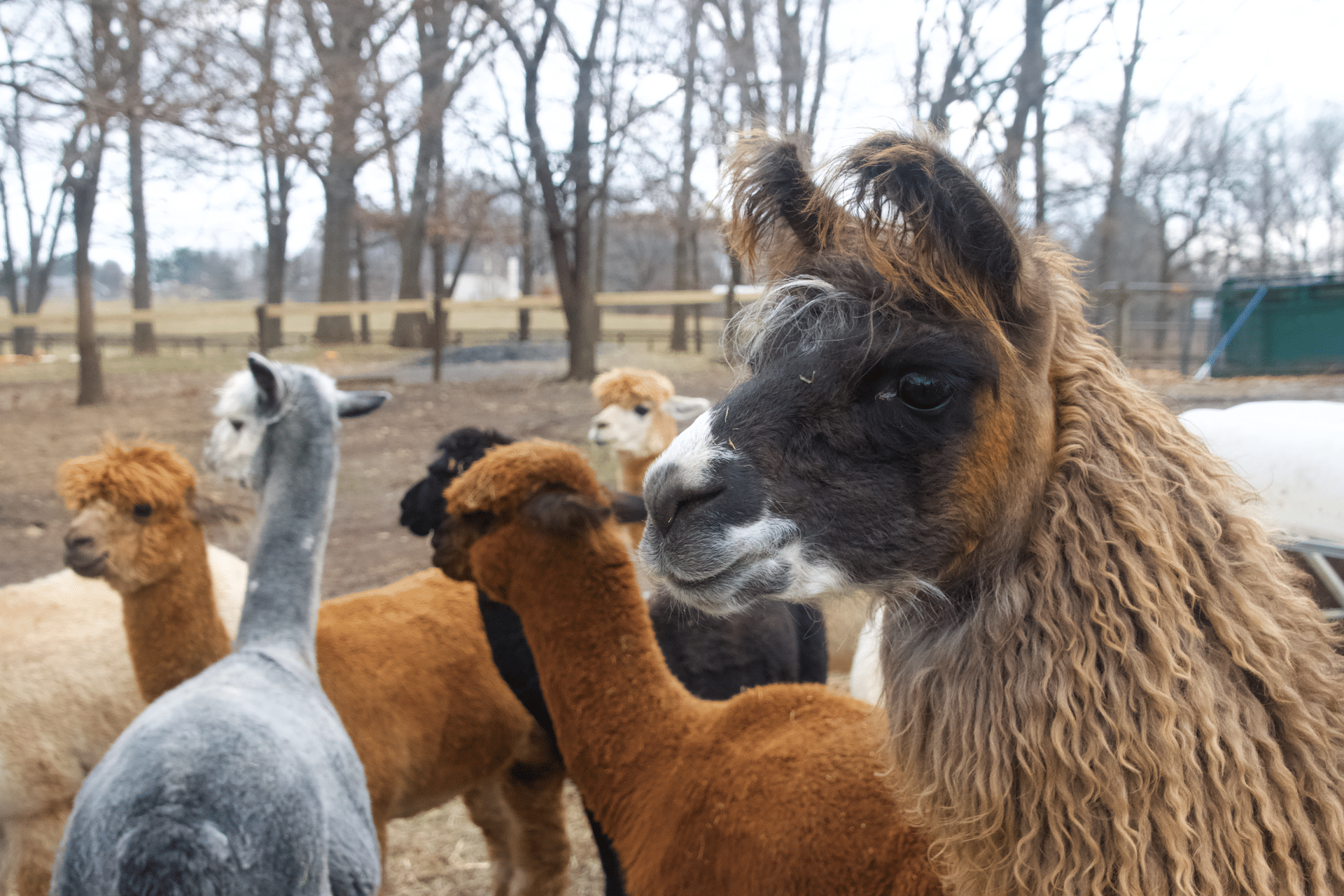
A resident llama oversees the alpaca herd at Silkie’s Farm
There are two kinds of alpacas: Huacaya and Suri. Huacaya are far more common, comprising about 90% of all alpacas and distinguishable by their poofy appearance. The Huacaya fleece is super soft, dense and naturally crimped, with a bit of a spring and flexibility to it. Suri alpacas, on the other hand, have long, silky fleece that hang in locks and offers a lustrous sheen to high-end textiles.
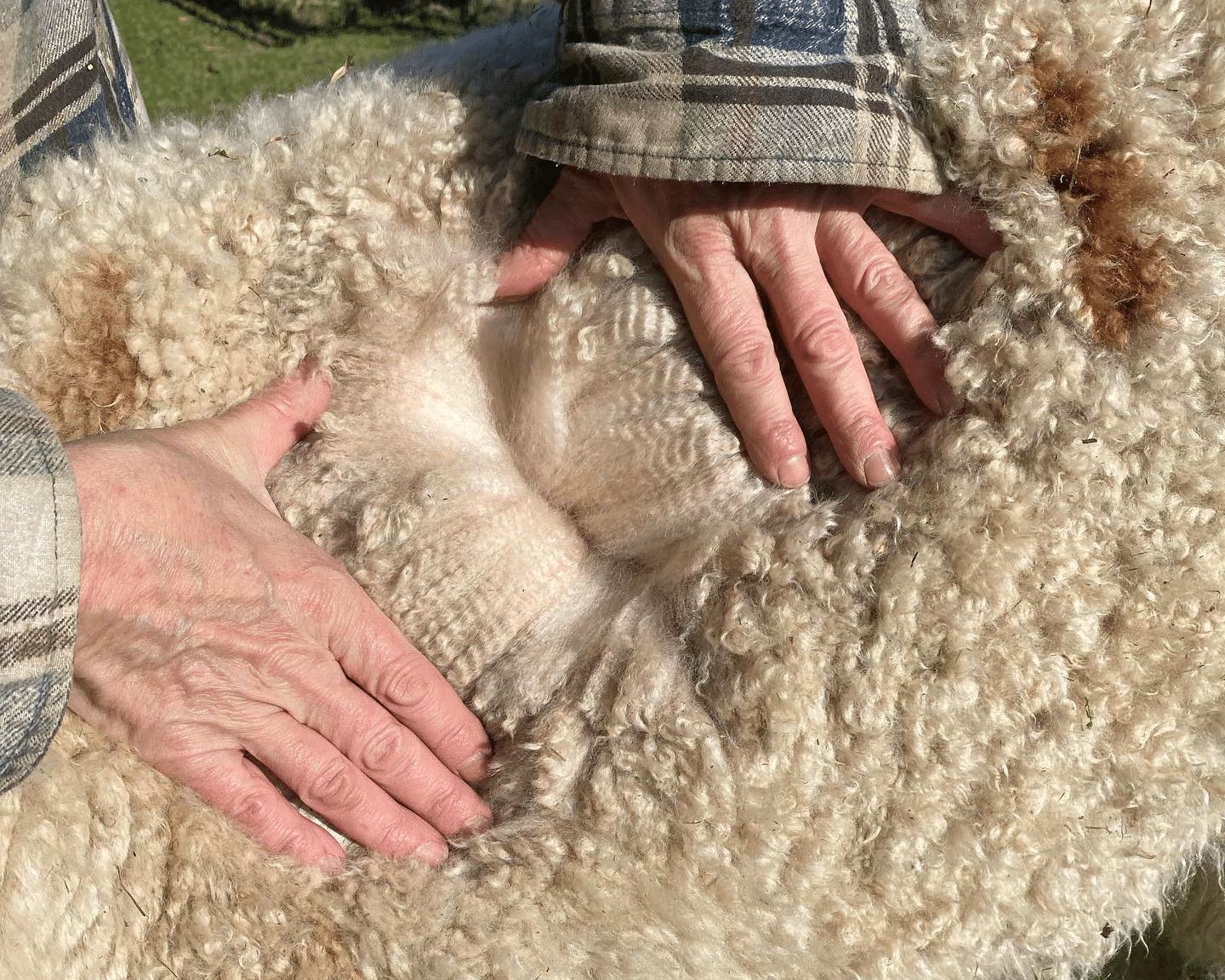
Thick alpaca fleece at Pohopoco Creek Alpacas
Unlike sheep, alpacas do not produce lanolin, a waxy substance in sheep’s wool that often itches or agitates people. Alpaca fleece, on the other hand, is hypoallergenic and great for sensitive skin. After shearing, farmers merely need to remove any dirt and debris, and it’s ready for spinning.
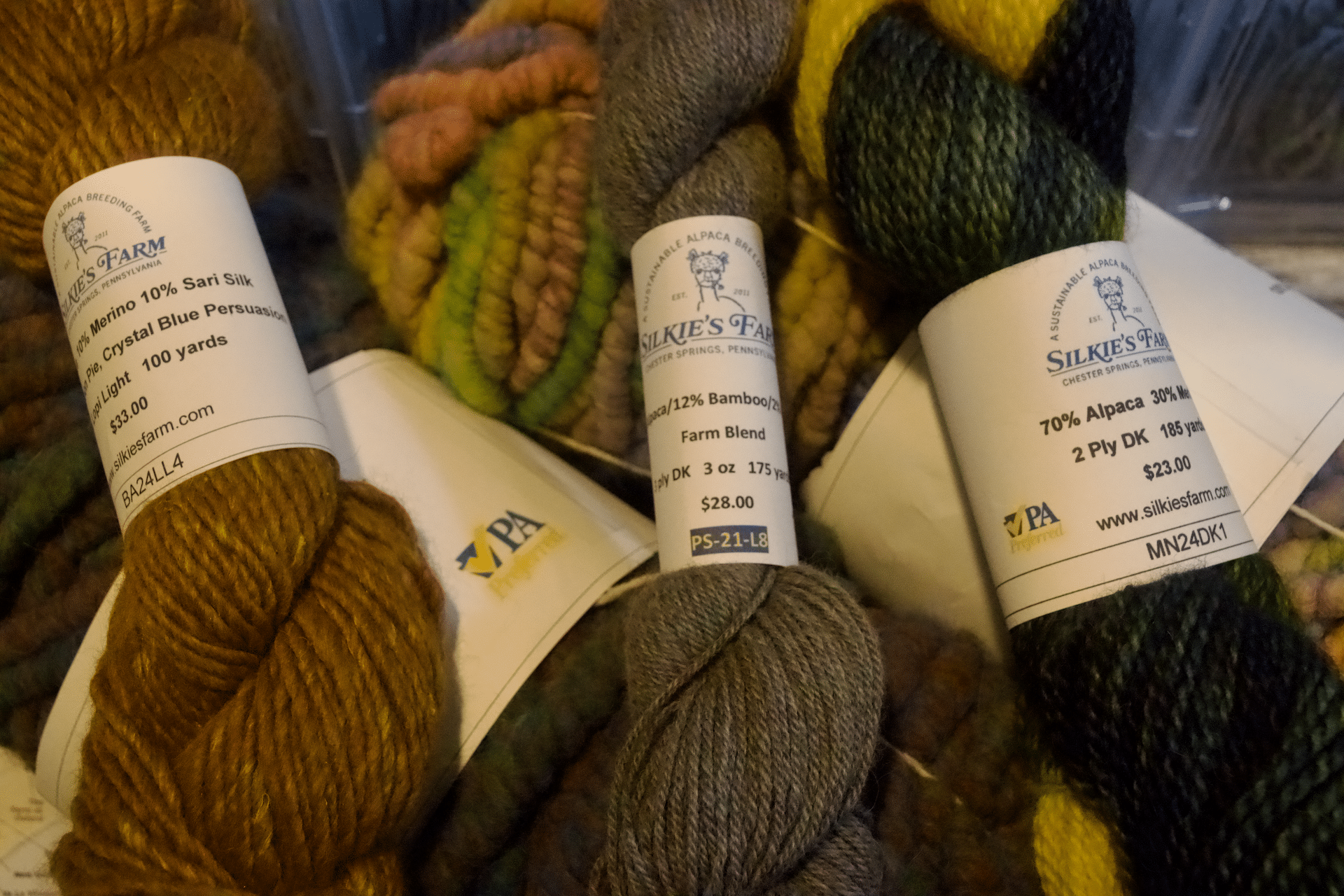
A variety of yarn at Silkie’s Farm
Alpaca colors range from white to black with fawns, caramels and rose grays in between. You’re likely to see a variety of hues in Pennsylvania, while white alpacas are most common in South America as their fleece acts as a blank slate for dyes.
As cute as they are, alpacas have one pretty gross habit: they spit. Fortunately, this projectile method of communication is almost always between alpacas and not directed at humans. They spit to express dominance, lay claim to food and territory or out of sheer annoyance with one another.
The Alpaca Farming Journey
As a relatively new agricultural sector in Pennsylvania, many alpaca farmers are first generation without farming backgrounds. “I did not grow up on a farm or have any kind of agricultural experience,” says Baxter. “I grew up in suburbia with the requisite cats, dogs and birds. But, alpacas are really easy to care for. You learn the basic care and you’re pretty much good to go. I think the whole alpaca industry is more of a cooperative industry, as opposed to competitive. I can call up any other owner if I have a question and people are happy to share.”
The Bakers, who have been farming alpacas for 22 years, and Silkroski, who’s farmed them for nearly 15, serve as resources for others just getting started. “Usually, we’re the ones that others call for information or help, like if an animal is sick,” says Sandy Baker. Similarly, Silkie’s Farm serves as a “mentor farm” in the region, and a go-to for guidance.
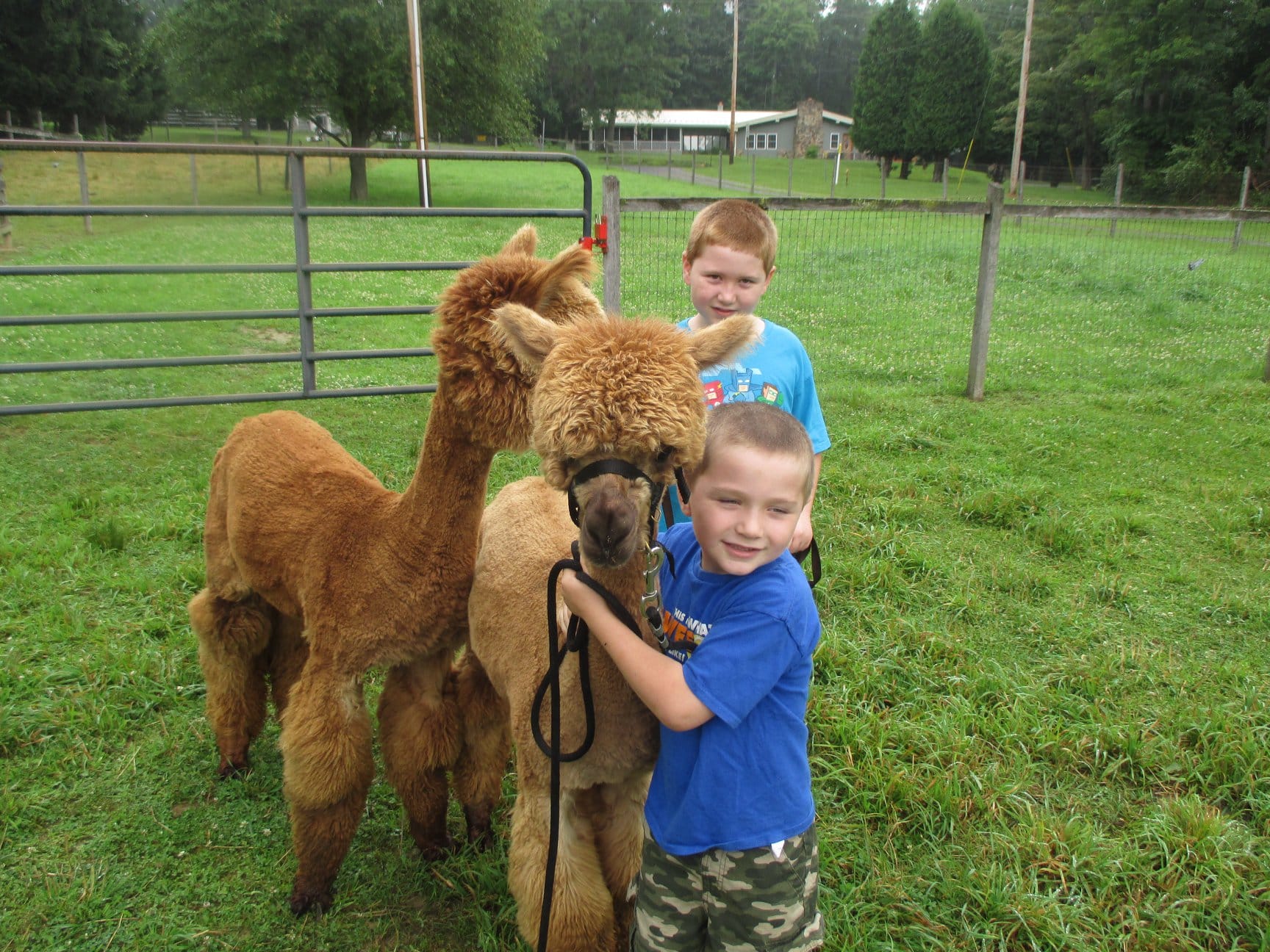
The Bakers’ grandsons spend time with the alpacas
Alpacas don’t require much. Space-wise, a couple of acres and a small barn work great. They love grazing on orchard grass, which Baxter says has the “perfect amount of protein.” Many farms grow fields of it to use as hay all year long. Baxter also feeds her alpacas pelletized grain, which supplements their diet with vitamins and minerals that are not naturally occurring in Pennsylvania soil.
Silkroski’s alpacas often sleep as a herd outside in her field, with one or two staying awake to keep watch. “The next day, you can tell who was up on guard all night because they’re napping,” she says. A barn provides them with shelter from extreme heat, cold and weather events.
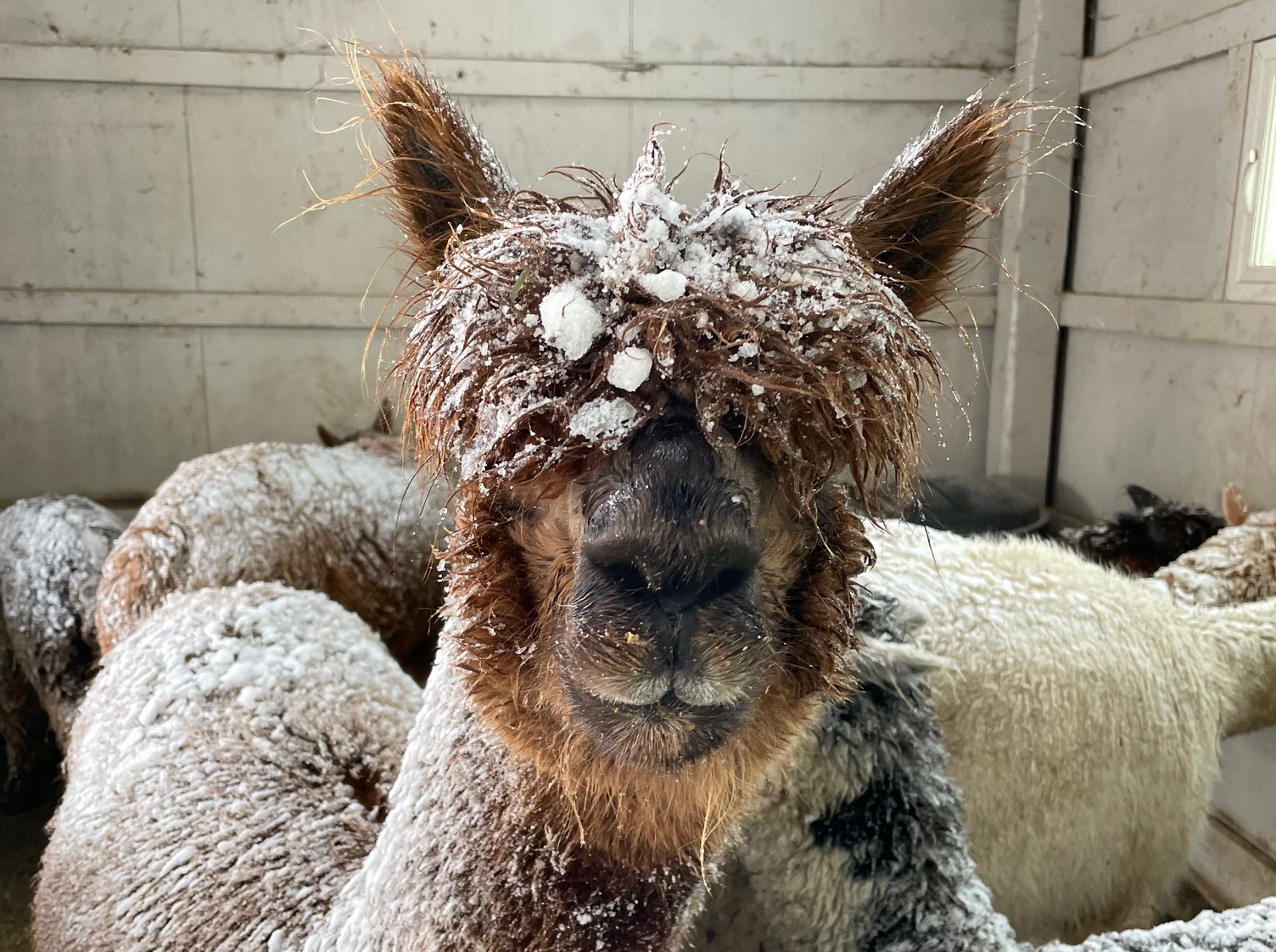
Warming up in the barn at Silkie’s Farm
It seems that most alpaca farmers find a terrific veterinarian and stick with them. “There aren’t a lot of vets that know about camelids,” says Baxter. A mix of other animal and human medications often comprise the medicine cabinets, and farmers know who to call in the time of emergency. Birthing is sometimes a fraught medical experience, as babies (crias) must deliver head and front legs first, like they’re diving. If they present otherwise, owners or vets need to intervene and rotate the cria by hand.
While alpacas are plenty of fun on their own, they also fit well into existing farms. They’re peaceful with other livestock, gently preserve pasture with their soft feet and grazing style and keep their areas neat with the communal dung piles. In fact, alpacas are so careful about keeping their manure in one place that they’ll refuse to “go” while traveling. Owners must bring dung along to shows and competitions to provide a signal that it’s okay for the alpacas to relieve themselves.
The Business of Alpacas
Right now, the PA Preferred® alpaca industry is in a great spot. It’s novel enough to inspire awe and curiosity, yet established enough for networks of farmers to thrive and grow. Silkie’s Farm events draw over 100 people in a day and the store is buzzing on weekends. Terrace Mountain’s location next to Raystown Lake brings in a steady stream of people, too. “We have so many visitors that just drop by,” says Sandy Baker.

Alpaca scarves at Terrace Mountain Alpacas
So, what are the revenue streams for an alpaca farmer? First, and foremost, the fleece. Alpacas are sheared once per year, usually in the late spring. Their fleece is carded (cleaned and detangled) and spun into yarn, which can be used to make a variety of products that are naturally water-repellant and fire-resistant. Many PA Preferred alpaca farmers sell the yarn, in addition to handcrafted products, like socks, scarves, sweaters and hats.
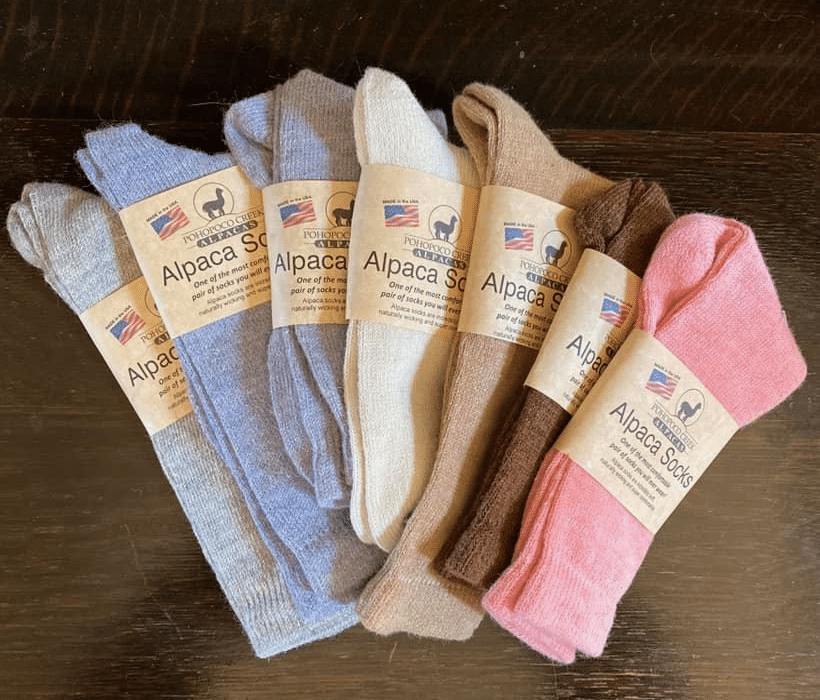
Socks at Pohopoco Creek Alpacas
Less desirable fleece, like fibers shorn from the neck, can be used for rug yarn, felting projects, wool pellets for soil and bird nesting balls. Farm owners often connect with regional producers through organizations like Pennsylvania Alpaca Owners & Breeders Association (PAOBA) and New England Alpaca Fiber Pool and import goods from Peru to meet the persistent demand.
Though alpaca meat is commonly consumed in South America, prized as a light, lean red meat, it’s rarely eaten in Pennsylvania. Baxter says, “The meat is a major protein source for the people in South America, almost like our beef cattle here. Although there is a small market for their meat in the U.S., alpacas have always been marketed as cute, cuddly animals.”
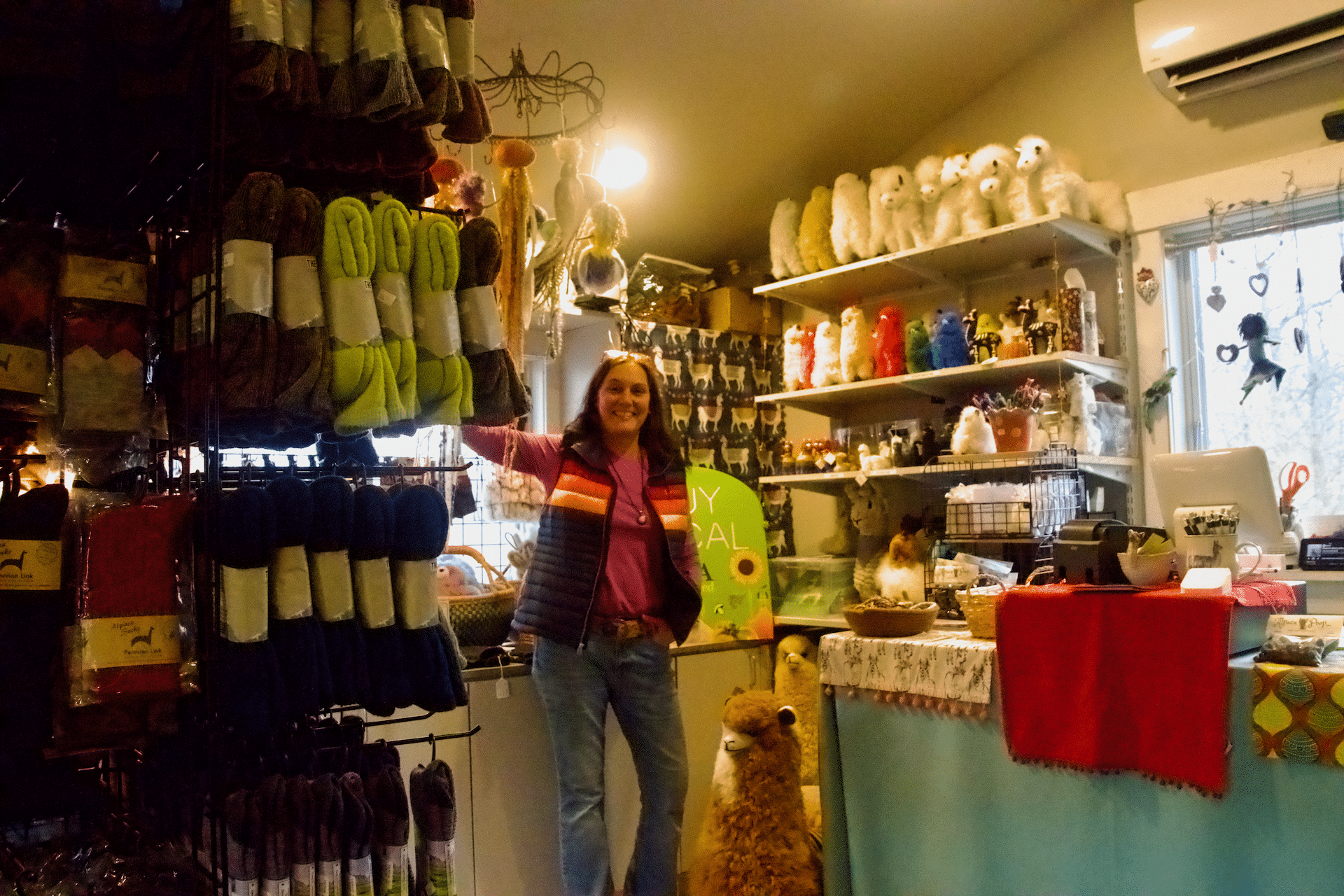
Marcia Silkroski in her store
Most alpaca farms have stores on-site where you can peruse the soft, luxurious products. Owners also make the rounds to craft and artisan markets and shows, and some sell online. Look for the PAOBA booth at the PA Farm Show to shop all kinds of beautiful goods while meeting the farmers behind them!
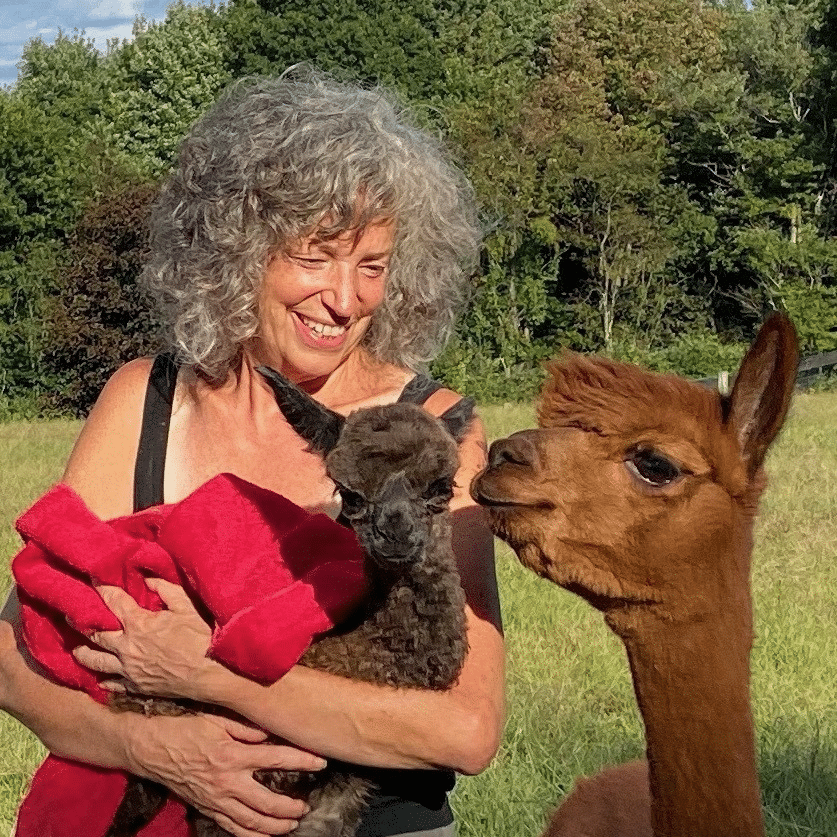
Mary Baxter holds baby Artillery
Breeding is another significant channel of revenue for alpaca farmers. Alpacas are bred for superior fiber as well as temperament and physical strength. Show quality alpacas can command up to around $20,000 and stud fees range from about $500 to a couple thousand dollars.
Believe it or not, another income source is alpaca manure. The feces, or “beans” are jam-packed with the holy trinity of nitrogen, phosphorus and potassium (NPK) that plants love. Baxter says, “You can basically plant things in the manure, right out of the animal. I did an experiment with tomato plants. I planted one in Miracle Gro and one in the manure. That second one was so much bigger and had so much more fruit on it.”
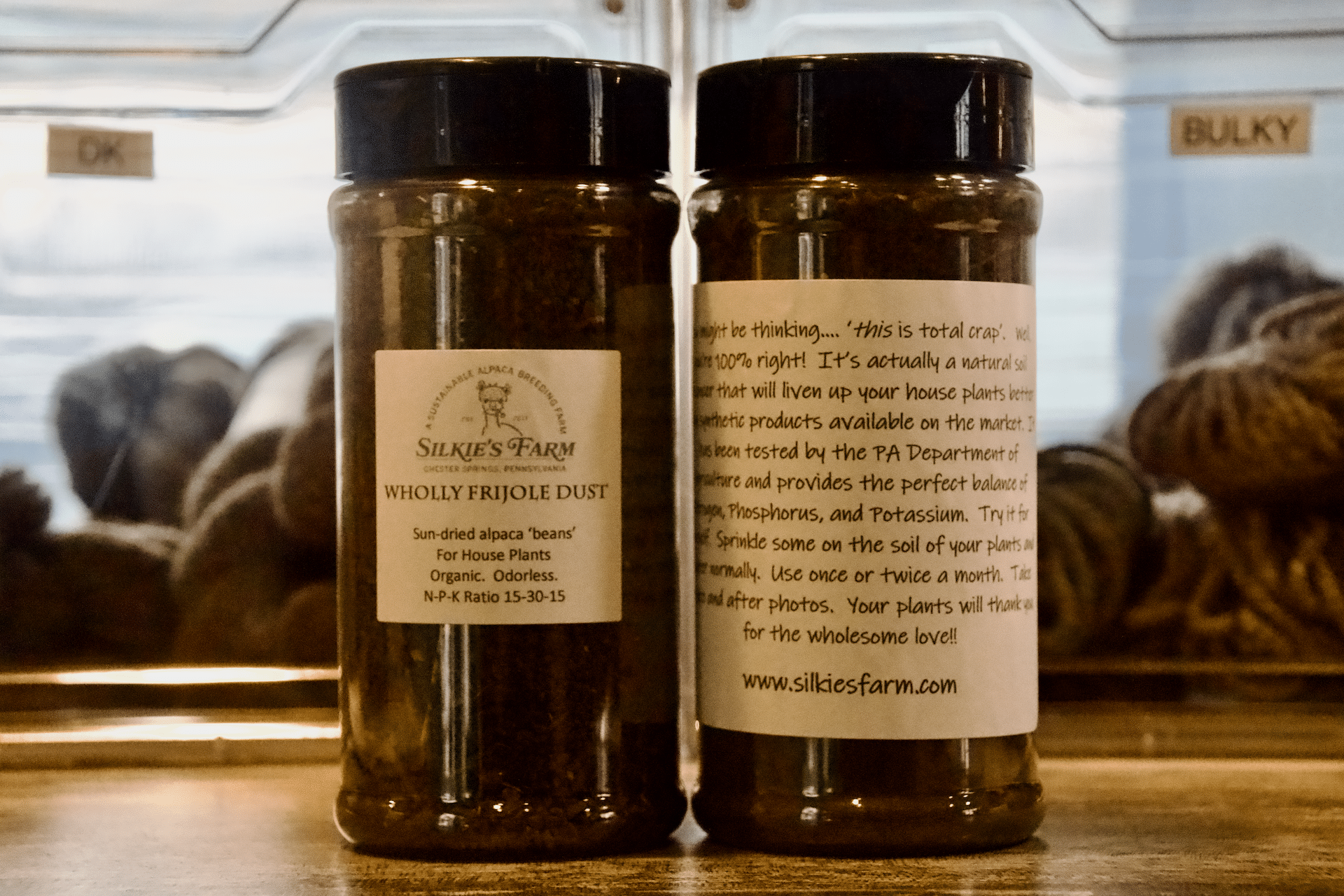
Silkie’s Farm Wholly Frijole Dust
The Bakers, Silkroski and Baxter all give some of these magic beans away, with area farmers showing up for bags and truckloads. Silkroski also grinds some in a blender to make a Wholly Frijole Dust that people sprinkle on houseplants.

Yoga at Silkie’s Farm
Finally, agritourism is a fun and flourishing aspect of alpaca farming. Due to their gentle nature, alpacas can be around people of all ages in a variety of settings. National Alpaca Farm Days bring huge crowds to alpaca farms in September for immersive experiences and educational opportunities. Individual farms typically schedule tours year round, letting you hang out with the herd to pet, feed and even walk them. And, alpaca yoga, needle felting classes, farm camps and farm stays are other fabulous ways to get up close with this niche industry of warm and fuzzy creatures.
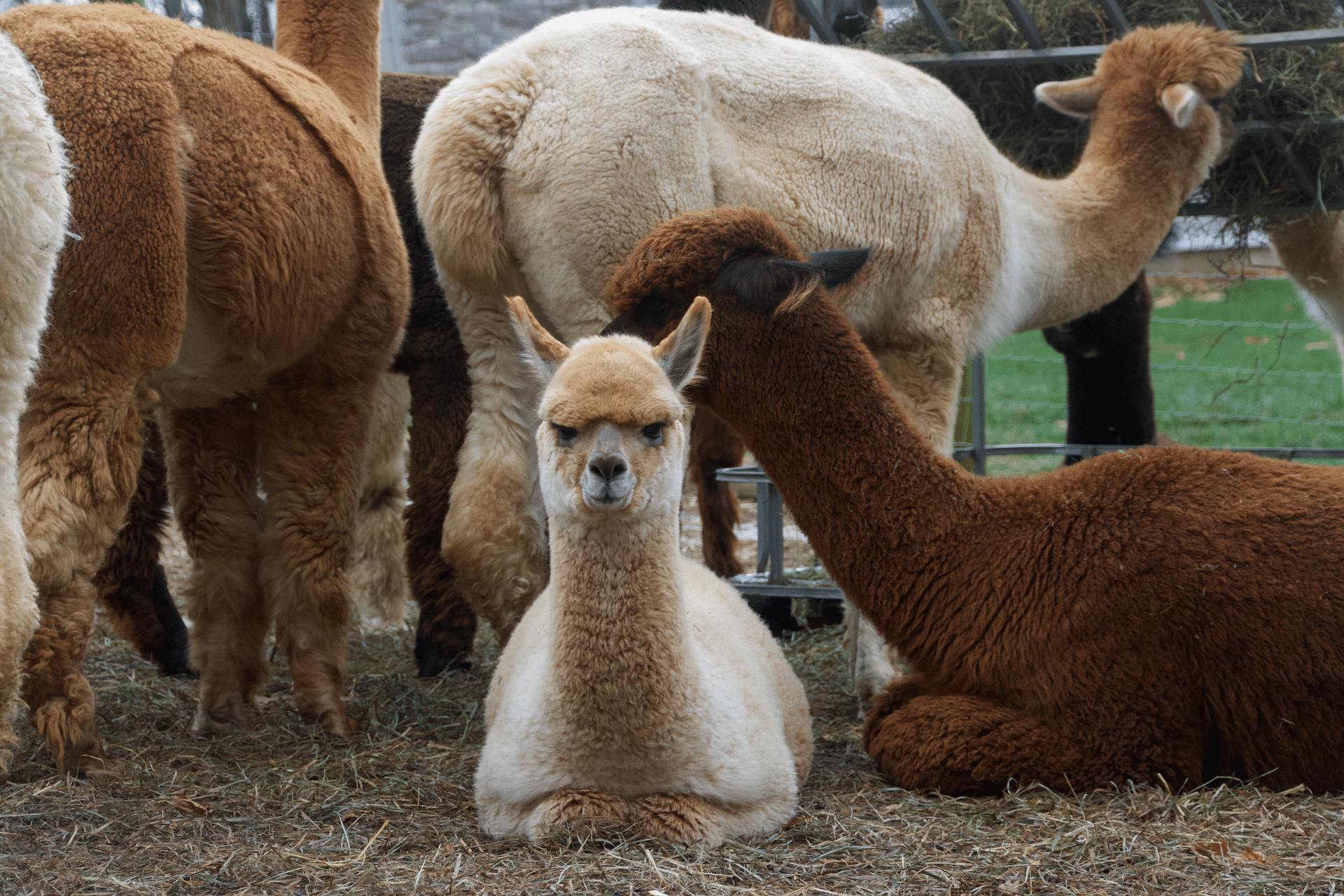
Alpacas at Silkie’s Farm
To find an PA Preferred alpaca farm near you, head to the PA Preferred searchable map and plan your visit!
This series was created in collaboration with PA Preferred.

PA Preferred® is Pennsylvania’s statewide branding program that promotes locally grown and processed food and other agricultural products.
- Feature and photos 1, 4, 5, 7, 12, 14 and 16: Leigh Green
- Other photos: Courtesy of the respective PA Preferred farms



One Comment