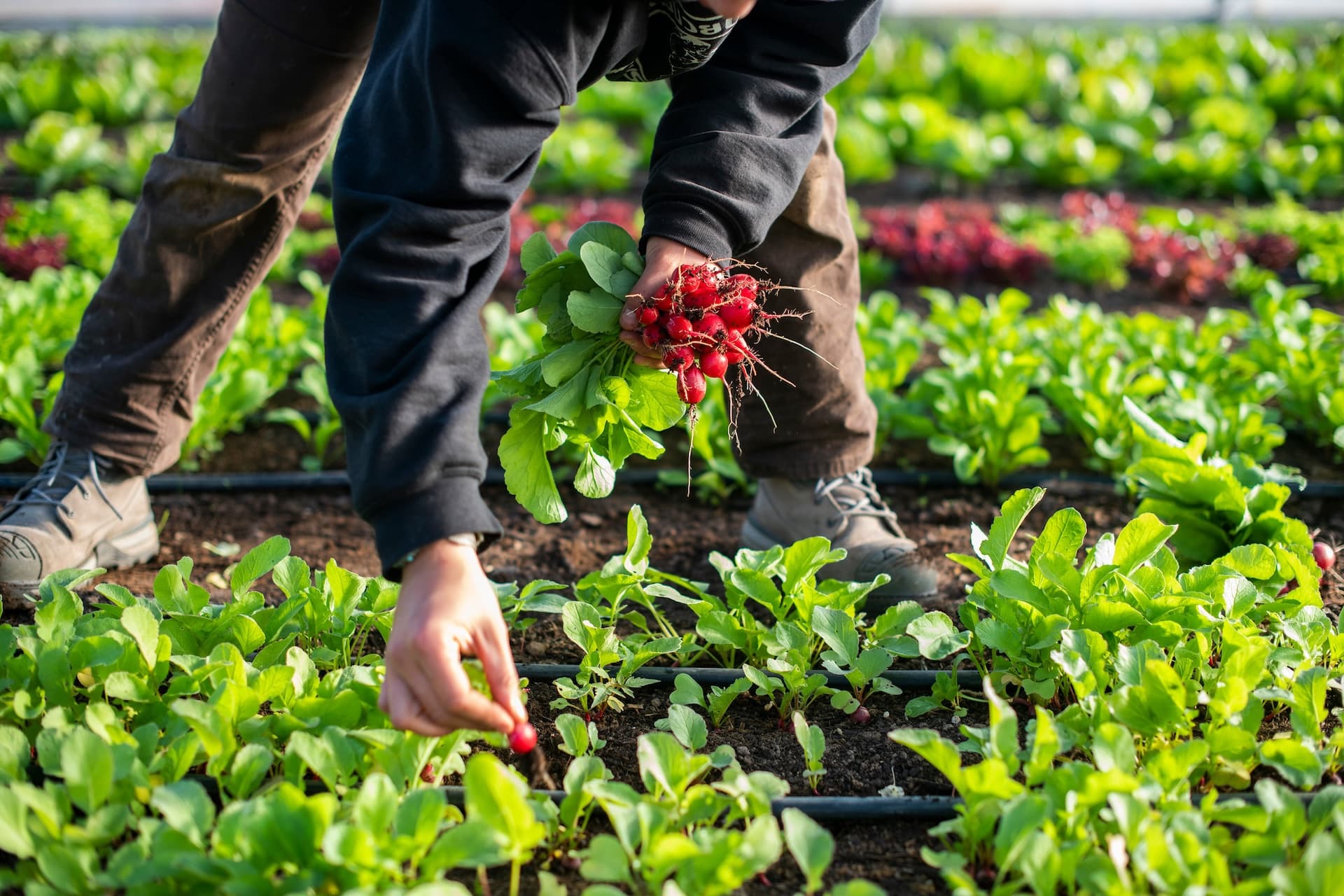
When it comes to hunger relief, quality and quantity can sometimes be at odds. While food banks are committed to offering nutritional foods, they face tough realities around access to the freshest, highest-quality ingredients. However, we know from research that healthy, well-presented meals go the distance for people experiencing food insecurity, improving their health and adding dignity and empowerment to their experience. These benefits are central to the work of Carversville Farm Foundation in Bucks County, which donates 100% of its top-quality organic produce, grass-fed beef and pastured eggs and poultry to soup kitchens, food pantries, shelters and hospitals in the Philadelphia area.
Founder Tony D’Orazio established the foundation with his wife in 2013. After decades of successful entrepreneurship, the two started giving back to causes close to their heart. “We basically went through all the phases of philanthropy,” D’Orazio explains. “We were writing checks for many years to help a lot of great charities. And then, my wife and I decided we were going to get involved in direct action.”
The two zeroed in on food insecurity, something that afflicts over 13% of Philadelphians, and planned to address it head-on with farm grown food. Though neither had farmed professionally before, D’Orazio was always drawn to the idea. “Even though I was born and raised in South Philadelphia, I had an uncle in lower Bucks County who had a very large vegetable garden. I really loved that, and it’s remained in my mind,” he says.
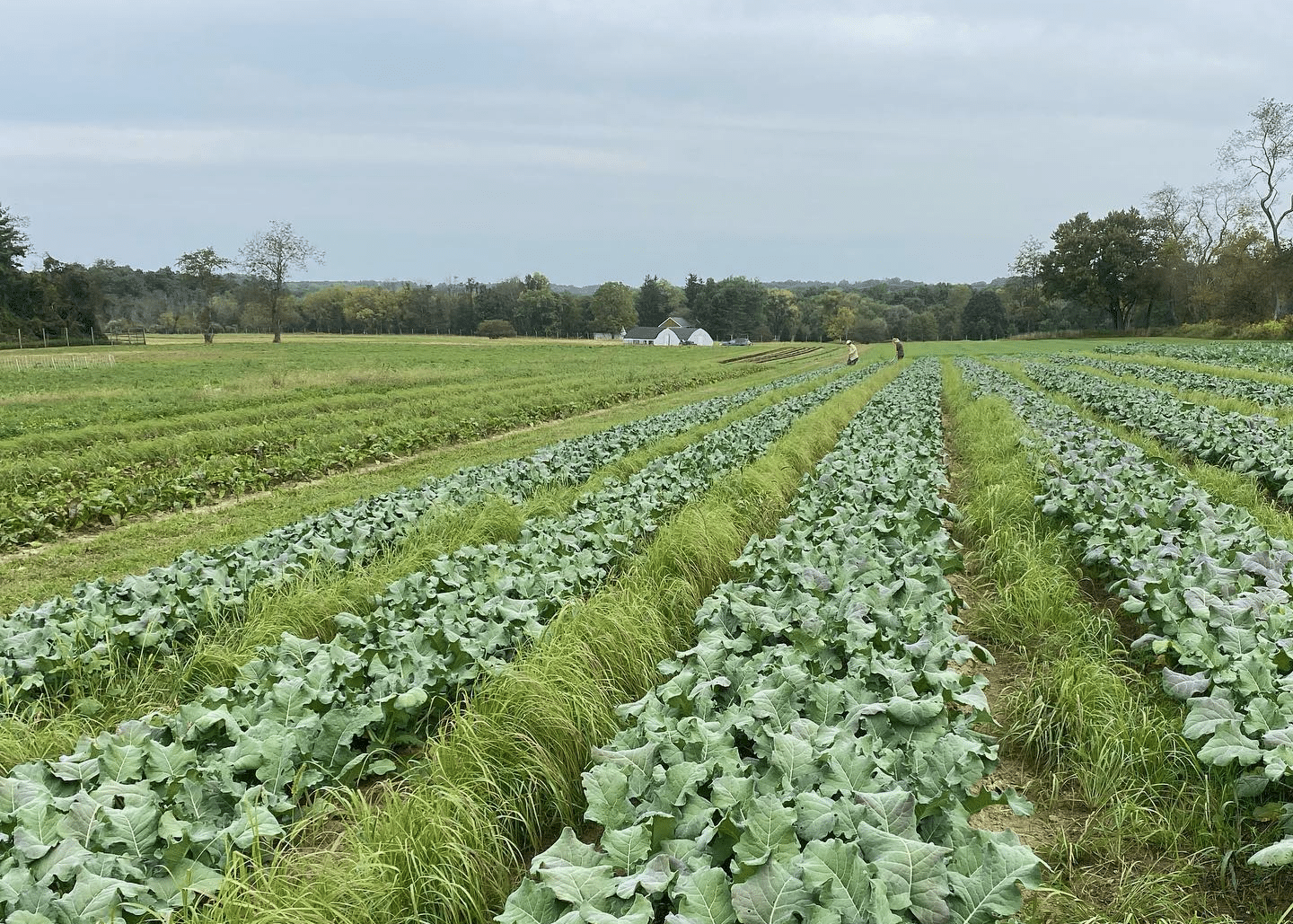
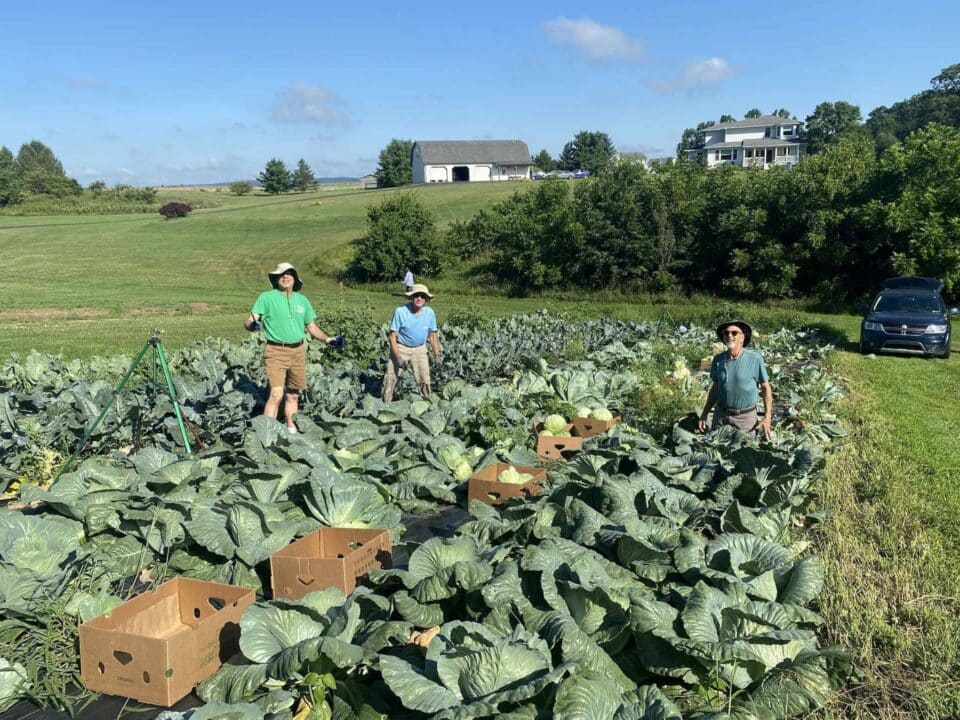
With the idea of bringing the best food — the same food enjoyed by the top 1% — to marginalized populations, the D’Orazios embarked on their plan, acquiring property and building the Carversville Farm Foundation from the ground up. They had the supply and demand figured out, but the logistics in between proved challenging. D’Orazio says, “It took us a number of years to figure out what model we were going to follow. It was a huge learning curve. I visited a lot of farms, talked to a lot of people around the country, and then we hired professionals.” This includes vegetable and livestock farmers among other team members, who together run the 350-acre organic and pasture-raised meat farm growing entirely for free distribution.
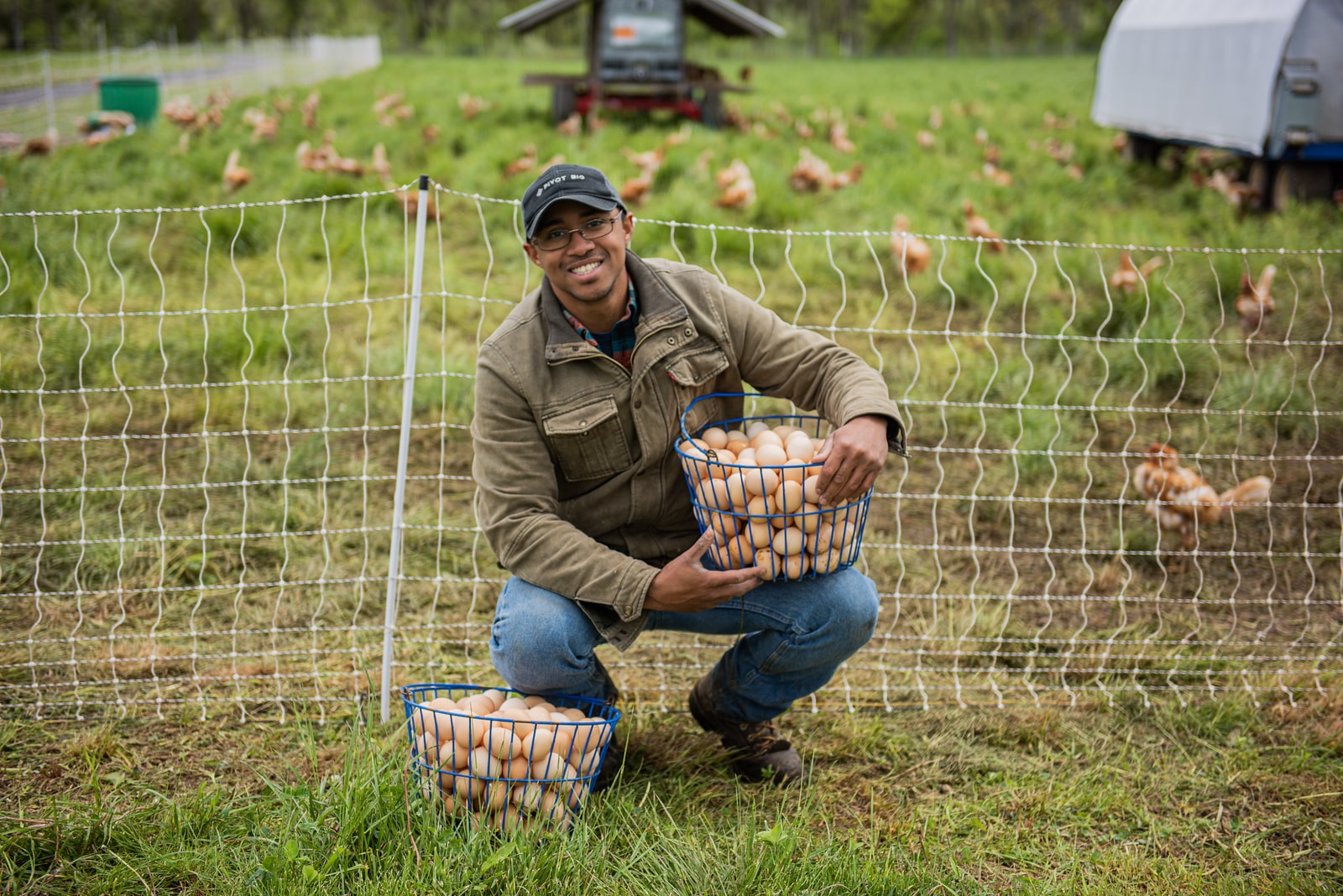
Farm crew member Doneek
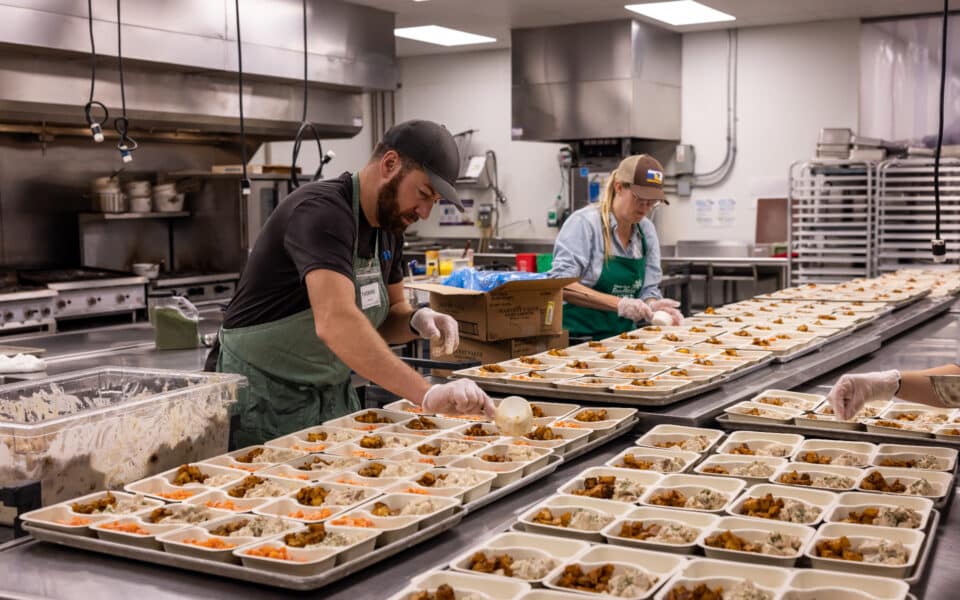
The model the D’Orazios ultimately developed relies largely on input from the partnering organizations the foundation serves. Carversville grows what’s most in need, what’s culturally appropriate, and what clients most enjoy, all based on feedback from the charitable food agencies, themselves. Chefs select exactly what they want to cook for clients from week to week, and Carversville packs its refrigerated vans accordingly, dropping the ingredients off at their doors.
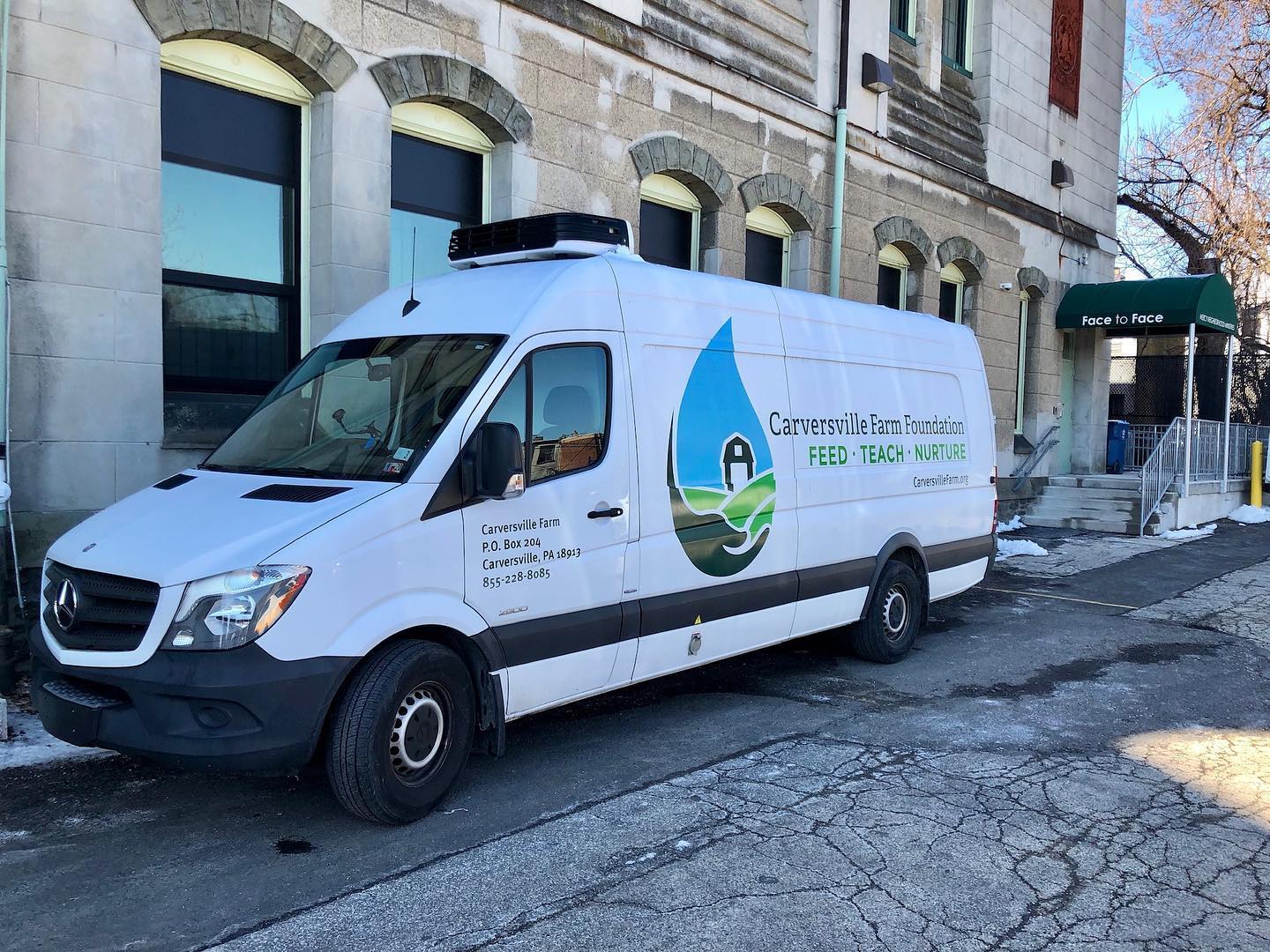
“One of the unique things about our model is that a chef at a community kitchen gets to order like they would working in a fine restaurant,” says D’Orazio. “We send an availability list of everything that’s available the next week, they order, and then we deliver exactly what they’ve requested. It gives them more predictability than they usually have in terms of what food they’re going to use. If you’re feeding 500 people a day, you’d like to plan as much as possible.”
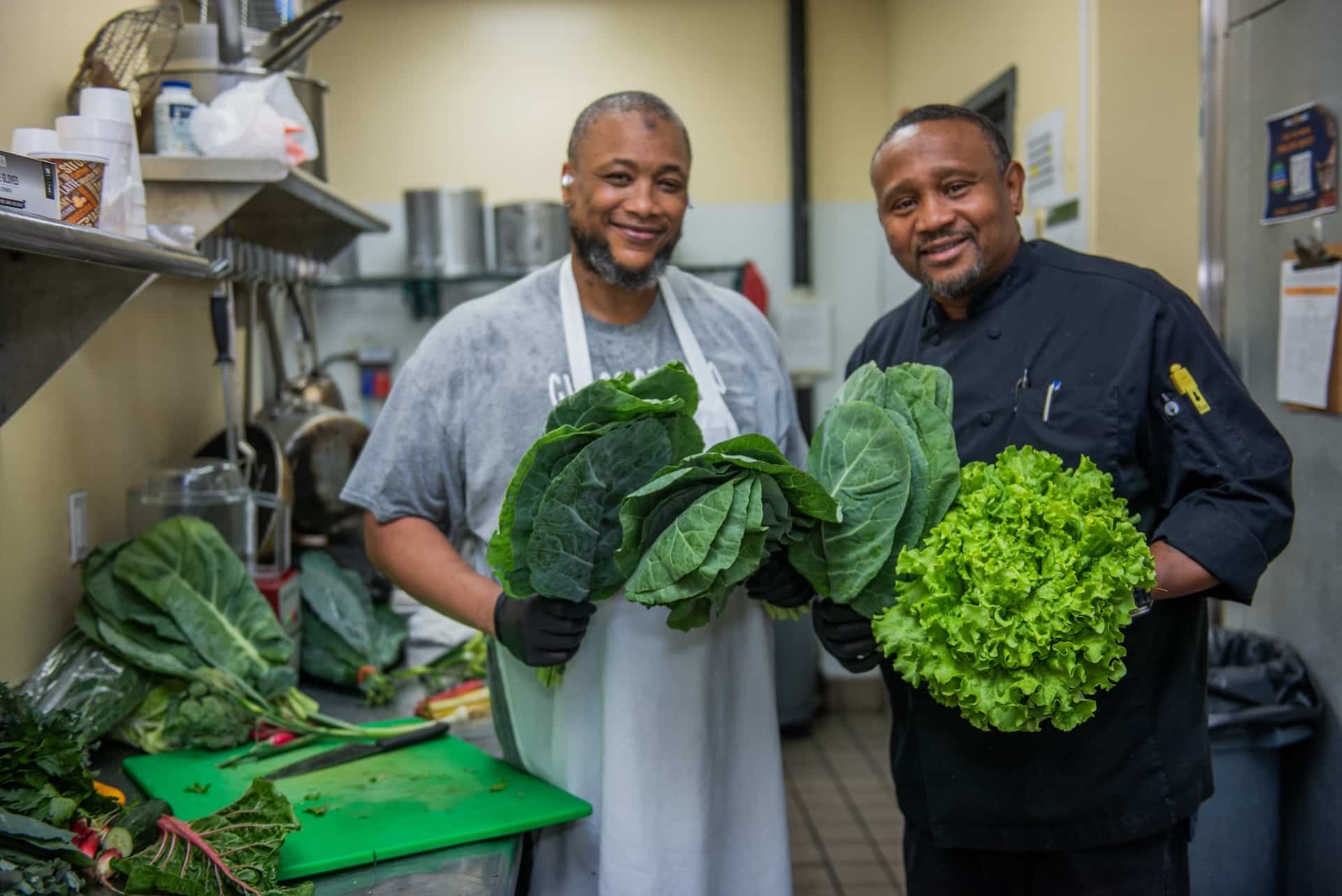
Chef Andre Neal and coworker at Philly House
Carversville only partners with organizations that cook healthy, tasty meals from scratch. “Some places were already doing that,” D’Orazio says. “Some had to make fundamental changes. The result is really high-quality meals that are healthy for folks that may be having a hard time or facing health issues. I think some folks think that people in a compromised situation, who are food-insecure or have shelter issues, will eat anything and don’t care how things taste. Believe me, they do.”
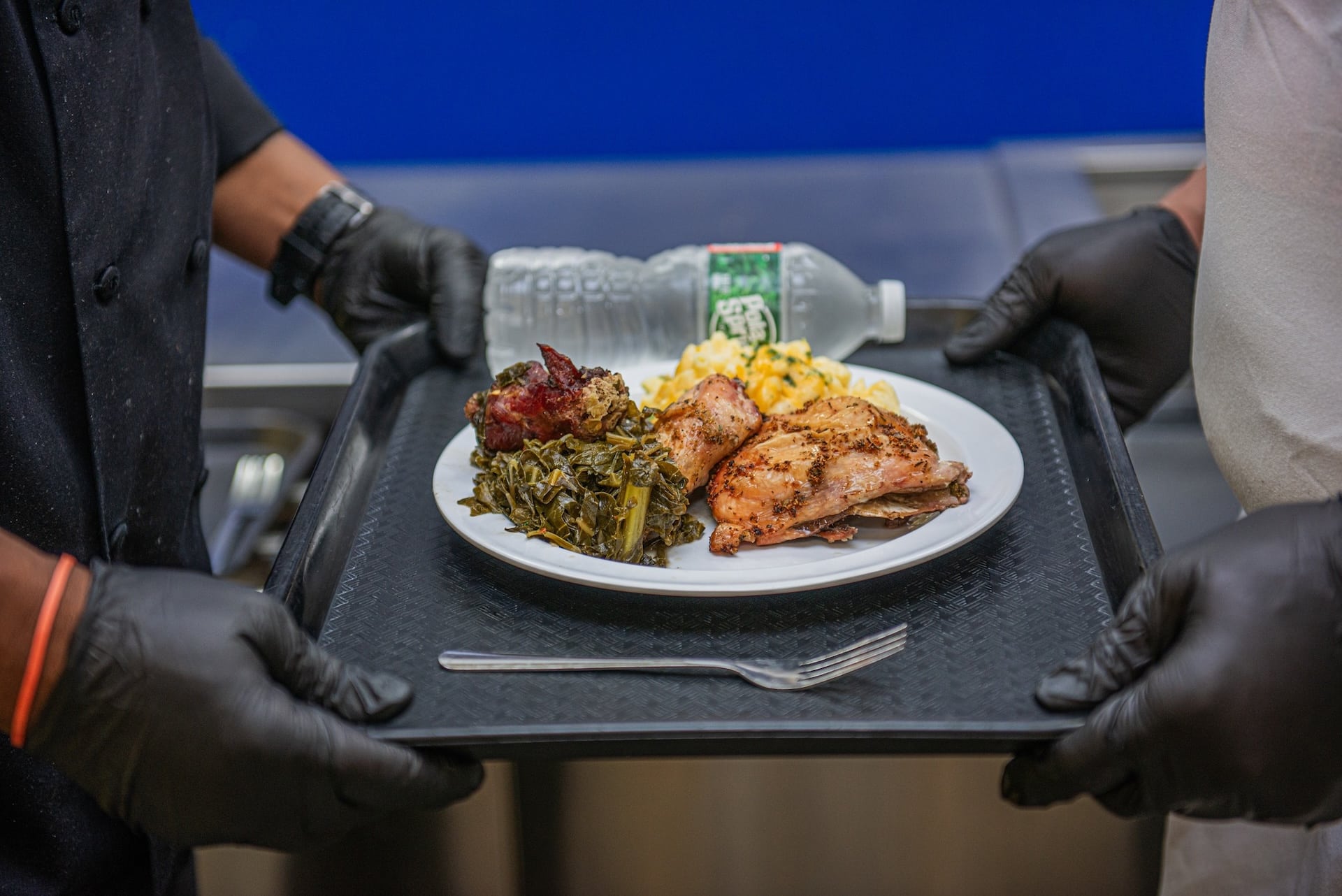
A hot prepared meal made with Carversville Farm meat and produce at Philly House
In 2025, alone, Carversville provided Philadelphia kitchens and pantries with 297,000 pounds of organic produce, 80,000 pounds of pastured poultry and grass fed beef and over 667,000 free range eggs. Greens, root crops and mushrooms are popular, as are herbs and seasonings that are often lacking in community kitchens. “We can never grow enough garlic,” D’Orazio says. He’s also including honey to the regular rotation, based on its extensive shelf life and the tremendous response from the kitchens, and hired a professional beekeeper.
Unsurprisingly, partnership with Carversville is in demand. It currently works with over 15 organizations, including The Community Grocer, Broad Street Love and Philly House, the city’s largest and longest running shelter. D’Orazio hopes to connect with a couple more partners in 2026, depending on production estimates.
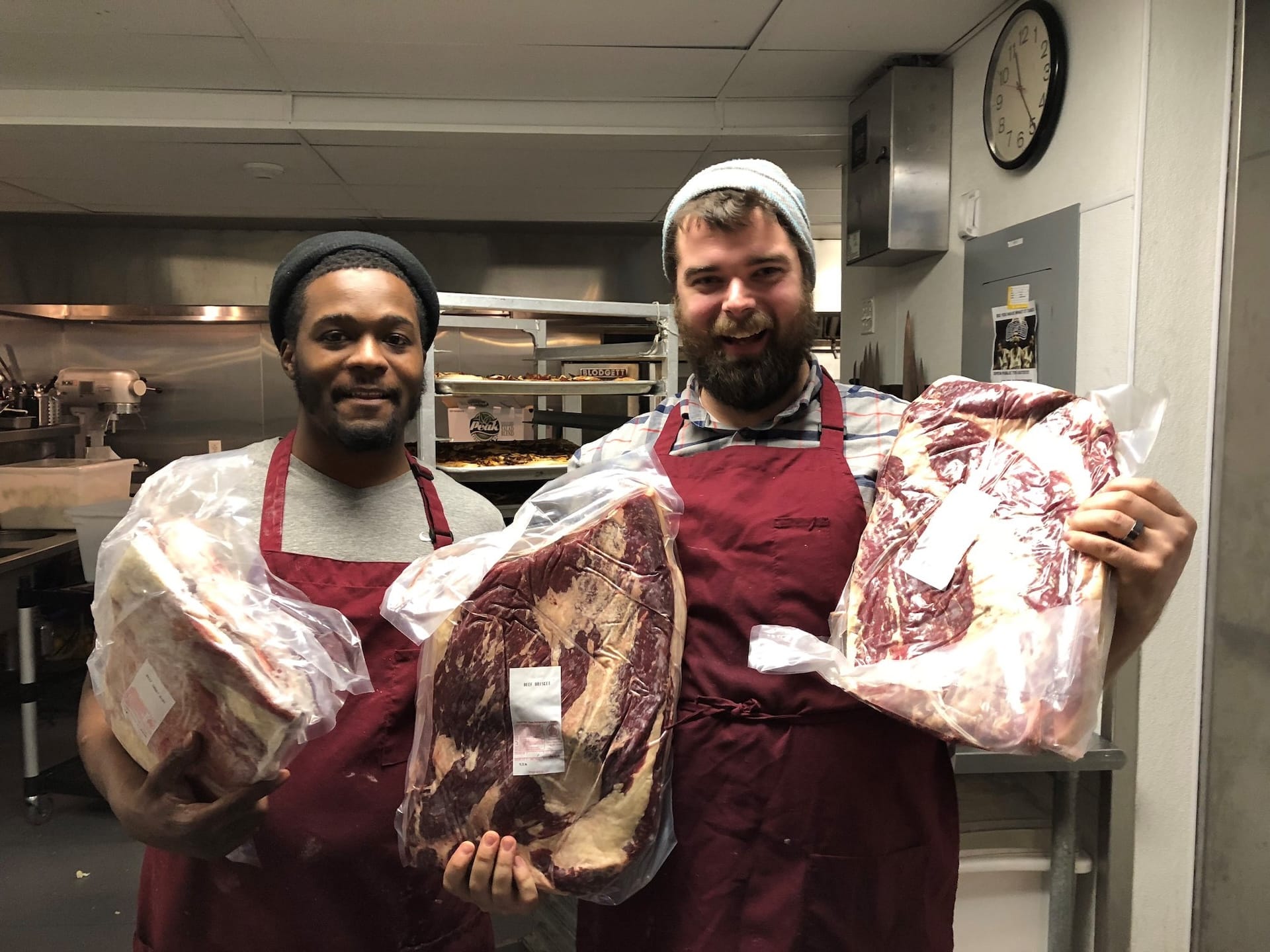
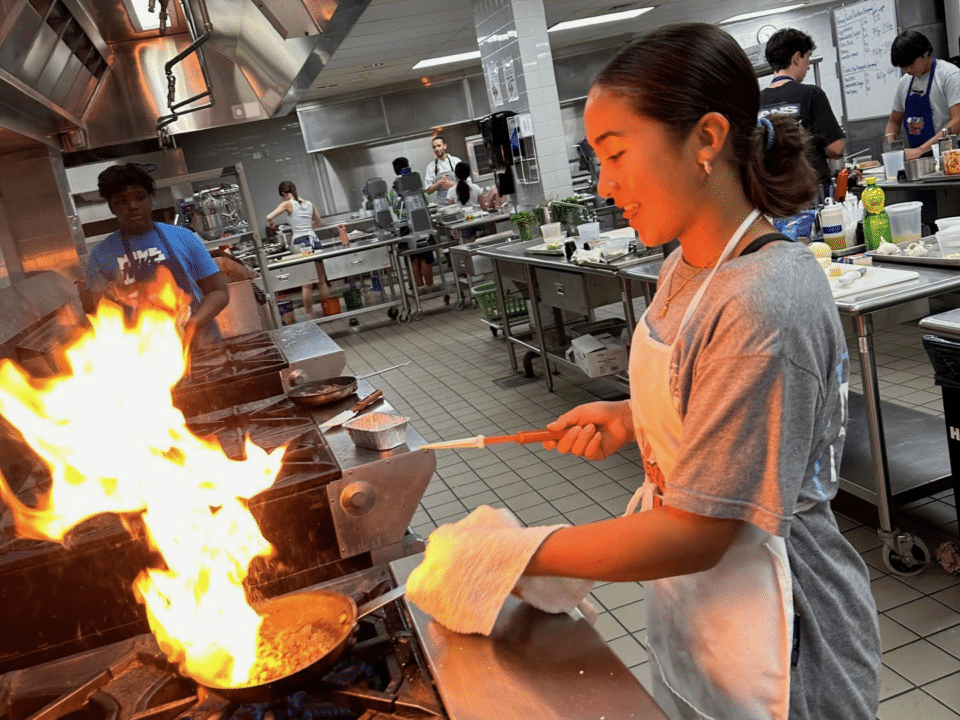
Chefs at Broad Street Love
The farm also serves as an educational hub for guests of all ages, something D’Orazio would like to formalize and expand in the coming years. “Right now, it looks like various tours and talks on the farm,” he says. “We use the farm as a therapy tour site for guests from various partner programs and an educational tool for college kids down to elementary age. We transport a number of children from the inner city to just walk around and use the farm for whatever level of education they want and see where their food comes from. A lot of those kids have never been out of Philadelphia. One year, a kid would not get off of the bus. He was freaked out by the open space. Some very good counselors got him off the bus and walking around. Two-and-a-half hours later, I saw him in with the chickens. Think about how resilient that kid is! He went from, ‘I’m not getting off the bus’ to hanging out with 3,000 chickens.”
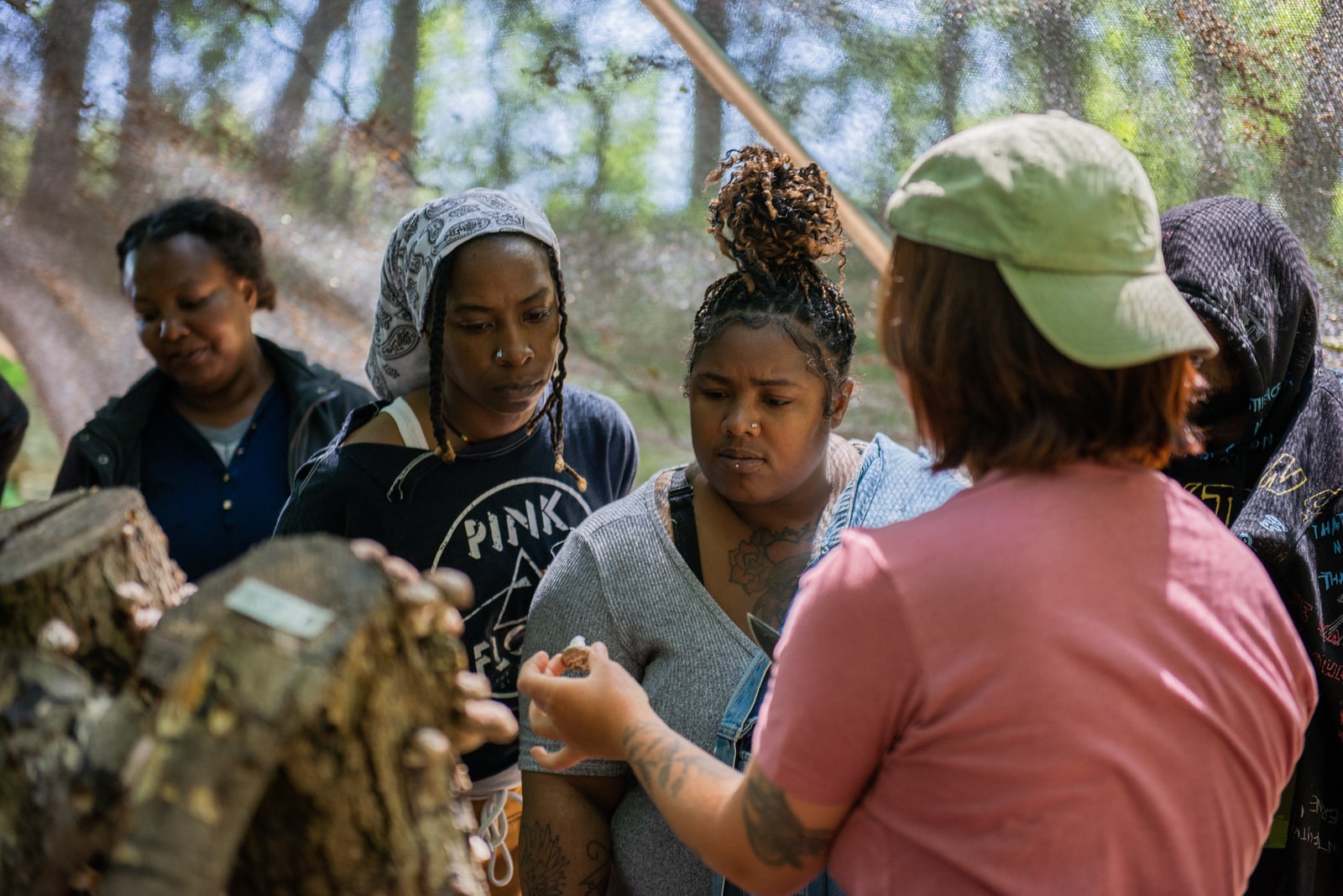
Philabundance Community Kitchen students tour the shiitake farm
As a groundbreaking foundation, Carversville has paved the way for similar farms to form. D’Orazio has spoken with a number of interested parties, though the scope of Carversville often overwhelms them. D’Orazio says, “It takes more than just having land. It’s a whole operation, and that operation has to be managed.” However, the spark has caught on with at least a few others, including Tenmile Farm Foundation in New York. D’Orazio hopes to see the model spread. “That’s our highest-level goal,” he says. “It would be great to have duplicated farms around the country with one or two supplying this kind of food into every city. We’re willing to share whatever we need to — all of our mistakes and what we recommend — and just open up all the books.”
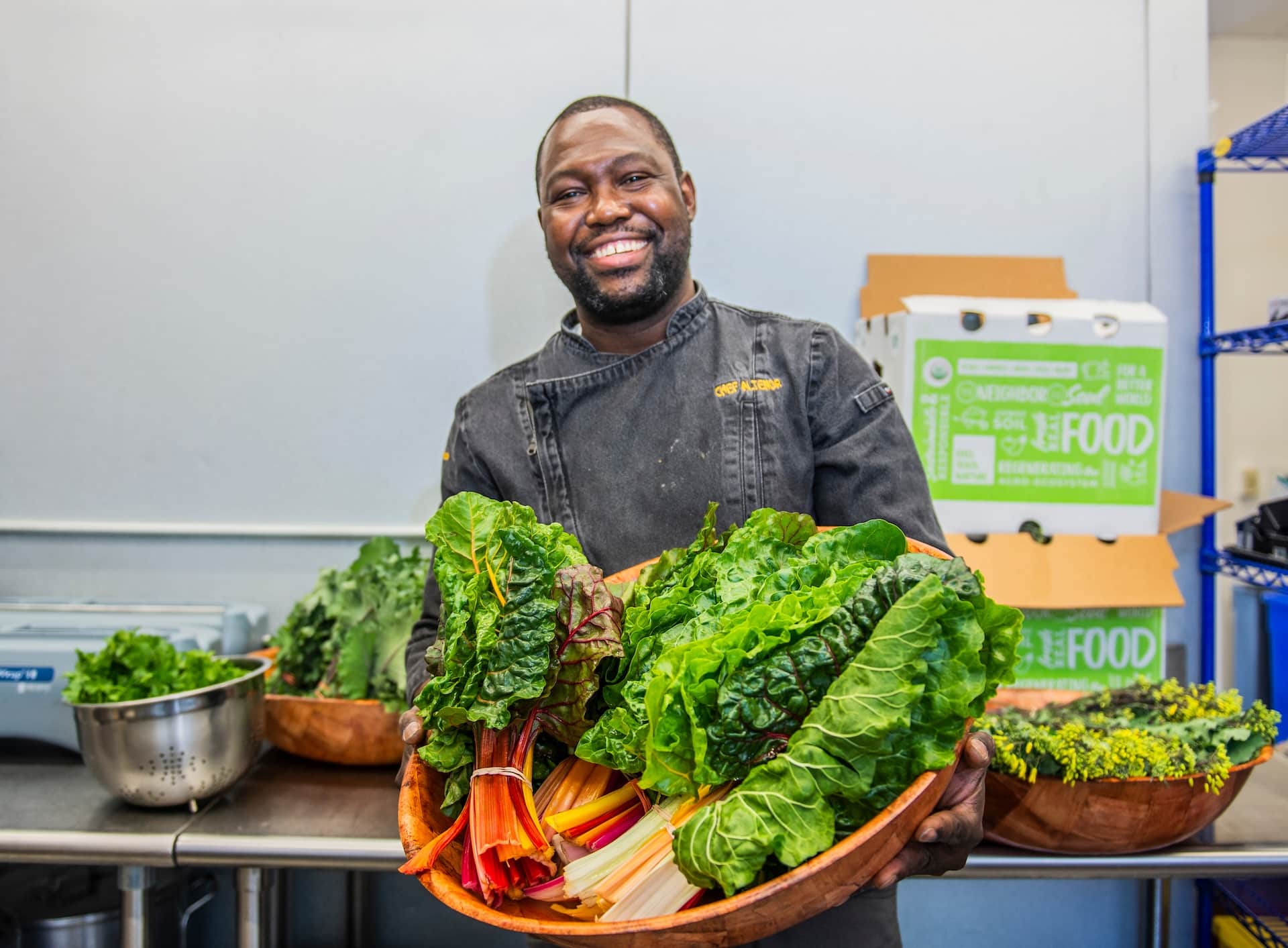
Chef Altenor Vaval of Face to Face Germantown
While Carversville has gained national attention and press, one of D’Orazio’s favorite compliments came from a partner chef who had wanted to quit after tiring from working with low-quality ingredients. Working with Carversville reinvigorated her, providing an outlet for culinary creativity with fantastic ingredients. She chose to stay in her role.
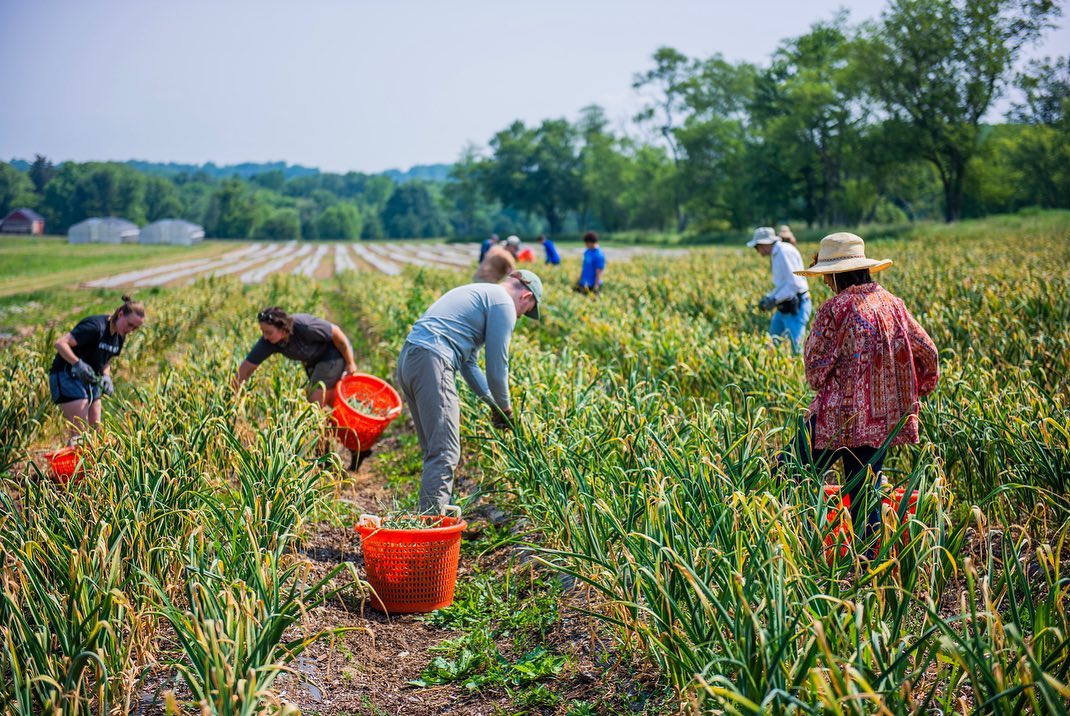
Volunteers tend garlic
Keep your eyes on Carversville Farm Foundation as it continues to flip the script on how hunger relief can work. Follow it on Facebook and Instagram and check out its volunteer opportunities to get involved. 6127 Mechanicsville Rd., Mechanicsville; (855) 228-8085.
- Photos: Carversville Farm Foundation