Happy Valley, Pennsylvania, certainly earns its upbeat moniker. Smack dab in the middle of the state, it’s both remote and buzzy, running on the energy of millions of tourists and about 50,000 university students that ebb and flow throughout the region each year. The thriving local farm-to-table industry includes a number of wineries producing wines that express the region’s terroir and satisfy a broad range of palates.
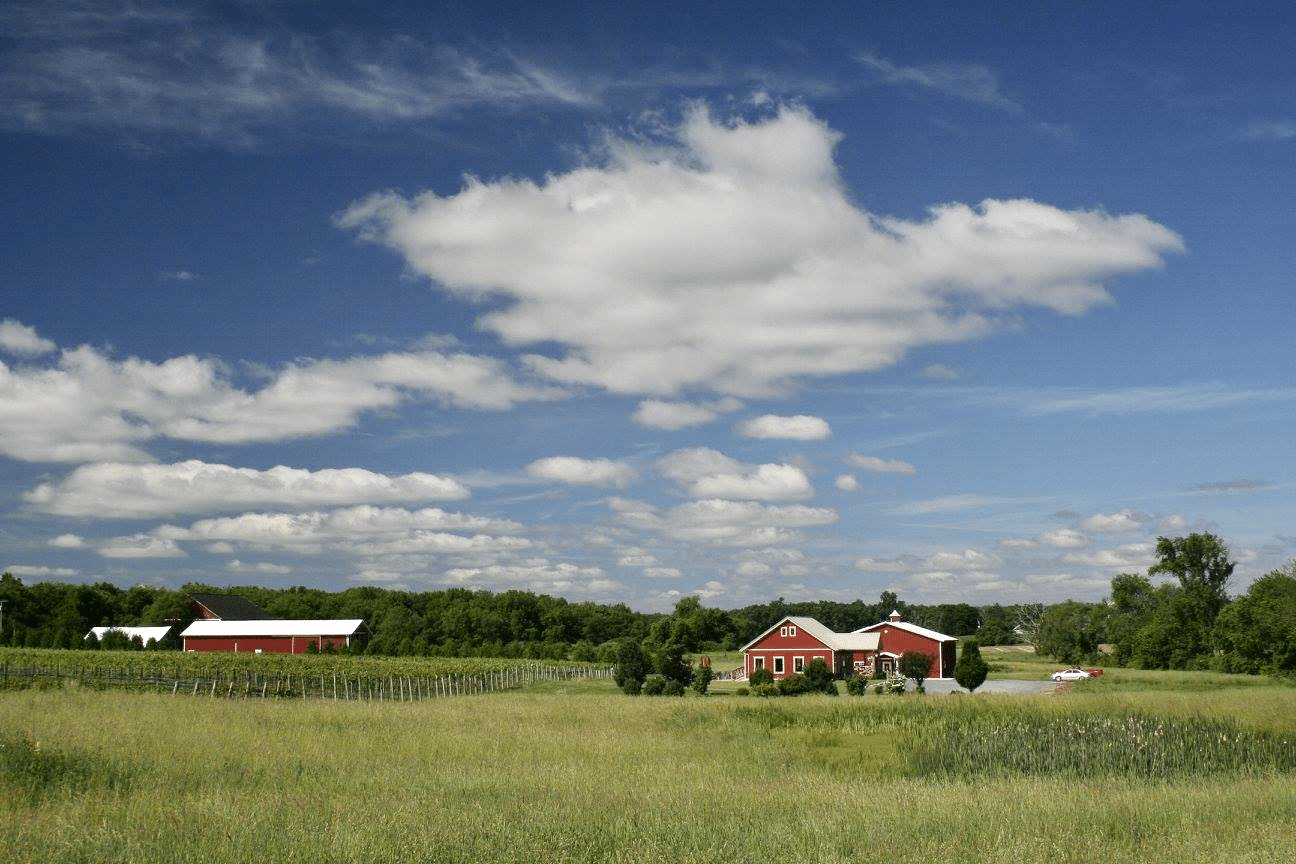
We spoke with Barb Christ, who owns Happy Valley Vineyard & Winery along with her husband, Elwin Stewart. Theirs is the largest vineyard in Centre County, and a key player in the region’s viticultural identity. She shared what it’s like growing and selling wine in Happy Valley.
Setting Up Shop in Happy Valley
Christ and Stewart met as faculty at Penn State University, where they taught botany and plant sciences. She grew up in southeastern Pennsylvania and he was raised on a ranch in Washington State. Together, they settled into life in Happy Valley. “It becomes your home after a while,” Christ says. “We had a small farm, we had friends here and we liked the area, so that’s why we stayed.”
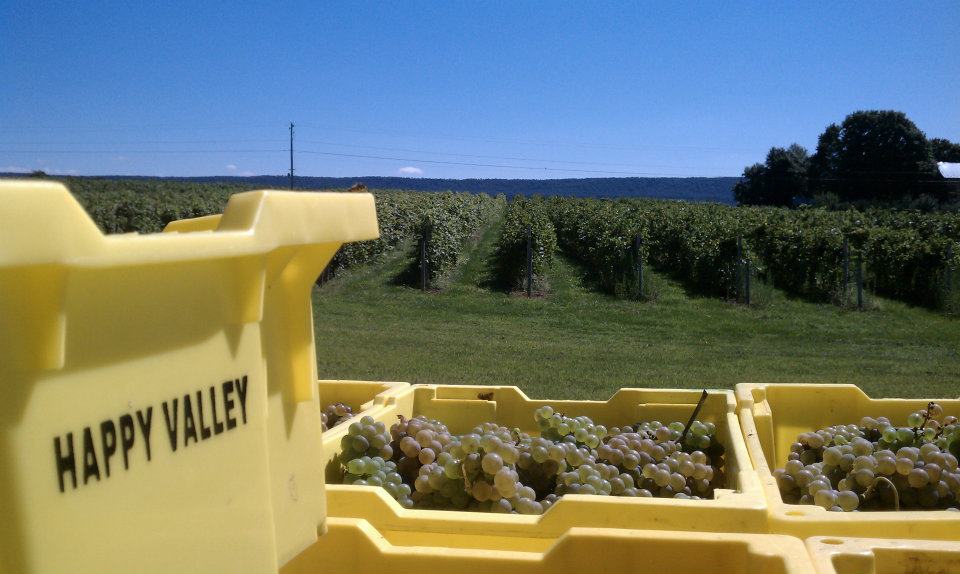
For a long time, they rented out their farmland to others. Stewart had made wine casually through the years, but never on a large scale. However, as he sought a retirement plan that utilized his agricultural expertise, the two took a second look at their property’s potential for viticulture. Christ says, “It turned out that we are just like the Alsace area of the Rhineland in France and bordering Germany. Knowing grapes as well as he did, Elwin knew there were certain varieties that we could probably plant here and have success. So, we started in 1999.”
They put their extensive plant knowledge to work, developing the grape plants, themselves, with cuttings from other nearby vineyards. They built a tasting room and spent time planting grapes on five acres, which has now grown to 10 acres of vineyards.
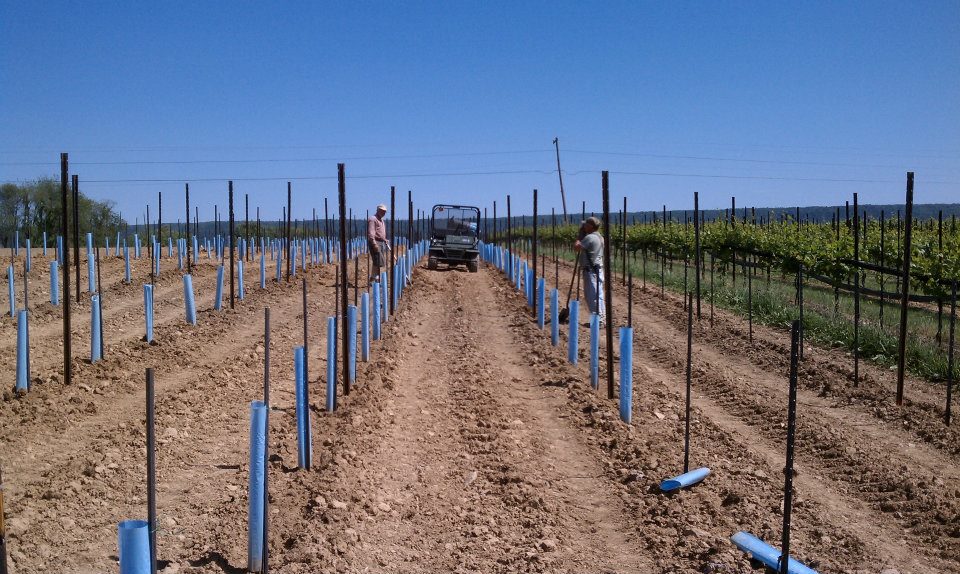
Elwin and Bob planting vines in 2012
Happy Valley Winery offers over 20 wine products, including sweet, sparking and fruit wines and full-bodied, dry reds. Guests enjoy a range of events and live music in the sprawling tasting room and terrace areas, and visitors can book tours and special events on the premises.
Climate and Terroir
Part of Happy Valley’s joy comes from its enduring agricultural success. The soils in the region are rich, which is great for farming but not always for grapes. Christs’s site includes Hagerstown clay loam, a deep, well drained soil. Limestone ridges also abound in the region, which drain well and contribute to minerality and acidity of wine grapes. While the soil is rich, the mountainous terrain of the region satisfies the wine grape’s need for stress. Christ and Stewart planted on their site’s slopes, where cool air typically drains down to the land below.
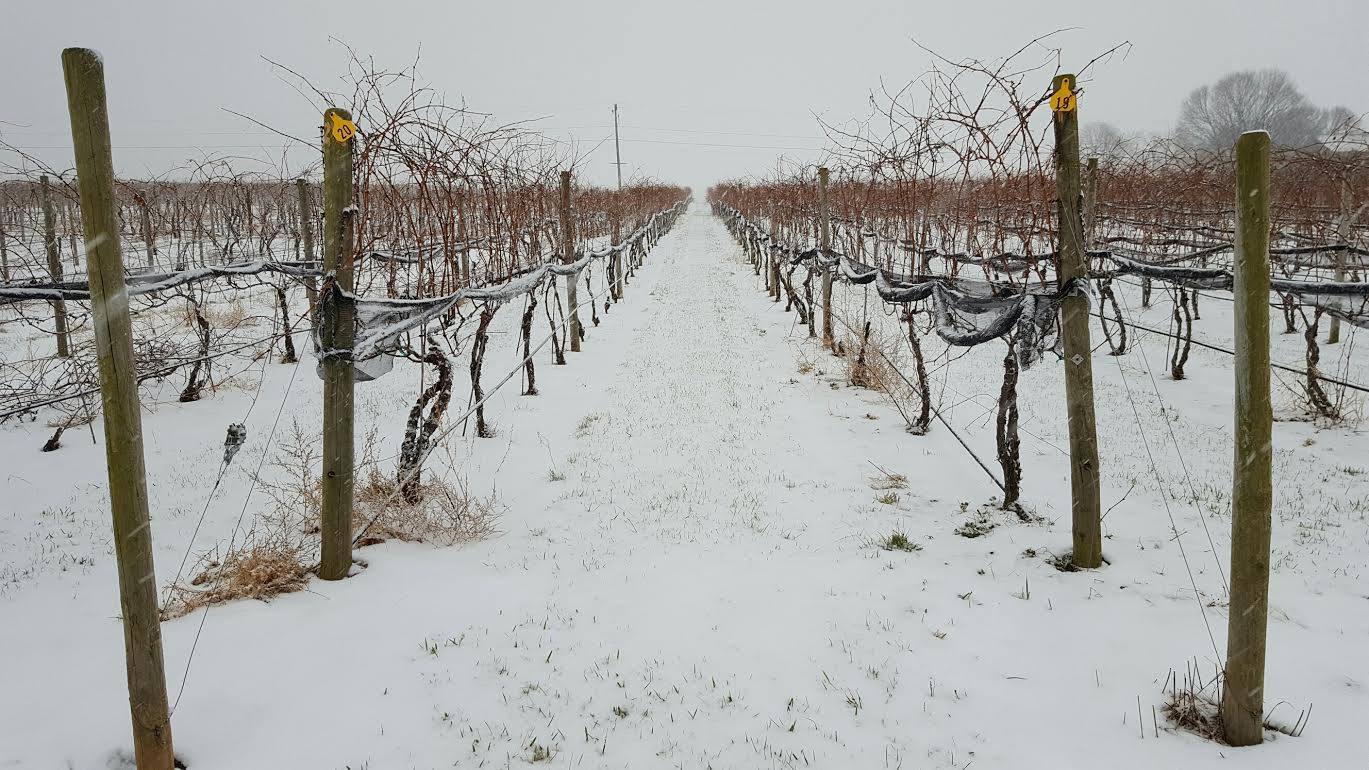
Weather-wise, the region is marked by distinct seasons with warm, sunny summers and cold, snowy winters. “We looked for varieties that are good for cool climate viticulture,” Christ says. “A lot of what we planted are hybrids, not European style cultivars like Merlot and Chardonnay. The hybrids can make very good quality wine.” Though hybrids comprise the majority of their vineyards, they work with select vinifera, too.
The Grapes & Wines of Happy Valley
Over the years, Christ and Stewart have played with a variety of grapes. “With both of us being scientists, we ended up experimenting a little bit,” she says. This trial-and-error approach helped them land on 14 varietals that truly thrive on their site.
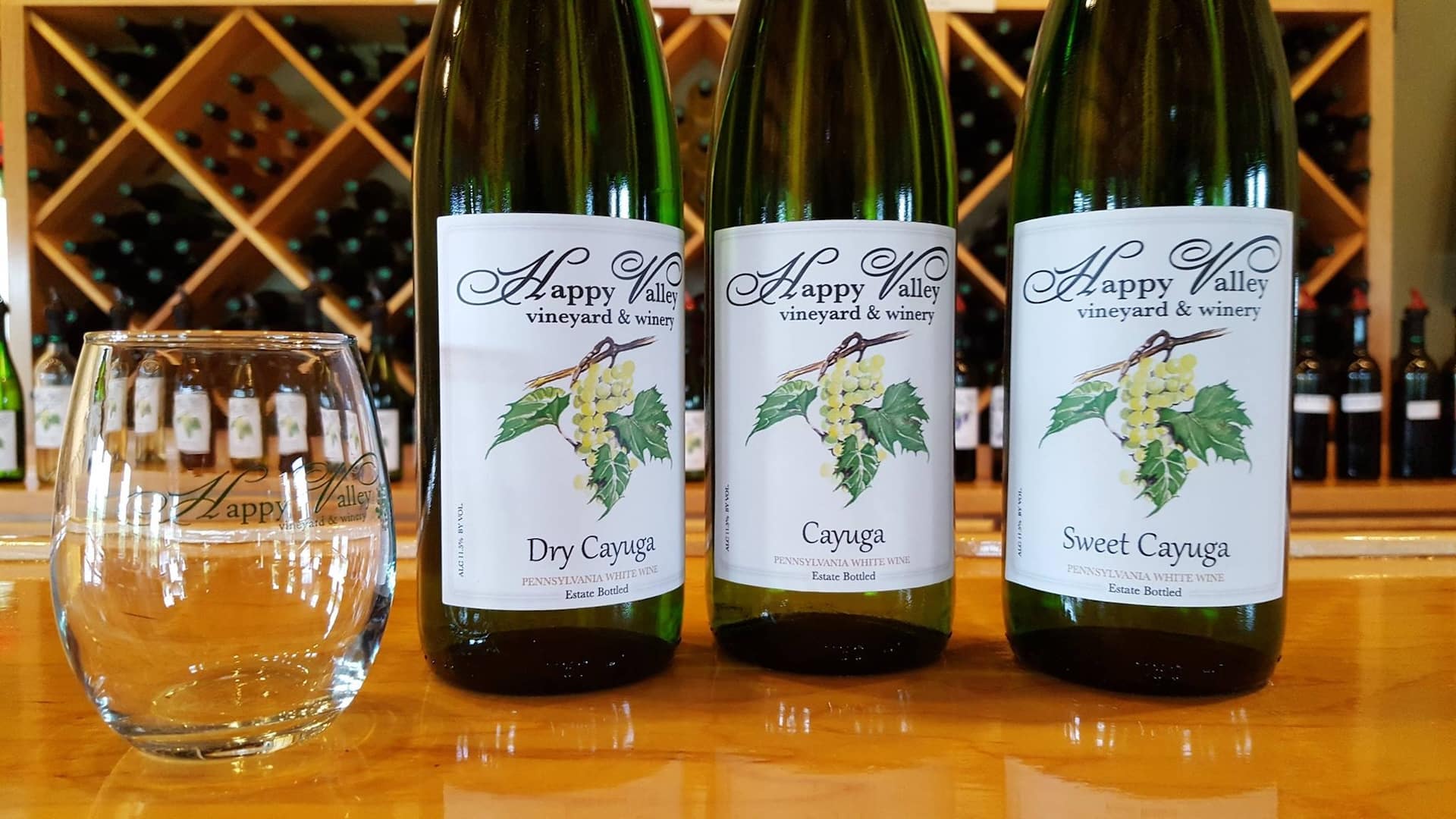
Older cold-hardy French and American hybrids – those developed in the late 1800s and early 1900s – thrive in the area. Cayuga White is one of the Happy Valley Winery all-stars. “We make all styles of wine out of it and it’s a wonderful wine for blending. It does really well in our conditions,” Christ says. Other surefire hybrid whites include Vignole and Vidal Blanc. On the red side, Chambourcin and Chancellor shine as dry reds and rosé wine. While Chambourcin is grown throughout the state, Chancellor is far less common. It’s similarly cold-hardy, but less bright and acidic and more earthy and balanced. Younger hybrids like Traminette and Noiret also do well in the area.
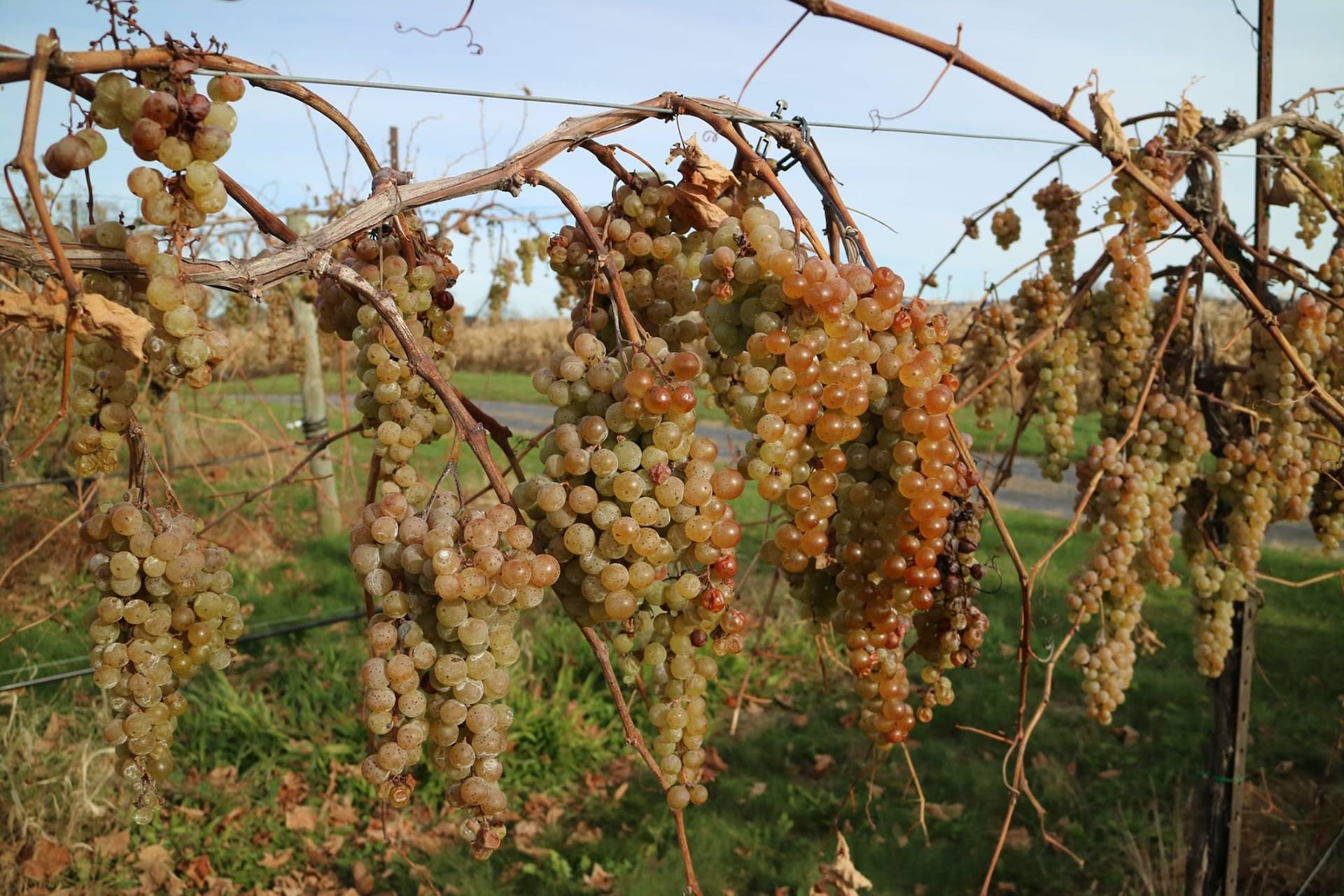
Vidal Blanc on the vine
Among the vinifera you’ll find in Happy Valley, Riesling and Cabernet Franc stand out. Chardonnay, Pinot Grigio, Merlot and Cabernet Sauvignon also perform well, though their success can be more site and weather dependent.
Location, Location, Location
Running a winery in Happy Valley brings in people of all stripes, which is why Christ and Stewart offer such a diverse portfolio. “We’re in an interesting location because of the university and town,” she says. “In Pennsylvania, sweet wines definitely sell the most. We have about three or four sweet wines that just fly off the shelf. But, we also need to have a good selection of dry wines. We have very sophisticated palates here in the area and with people who pass through. You need to have a good balance.”
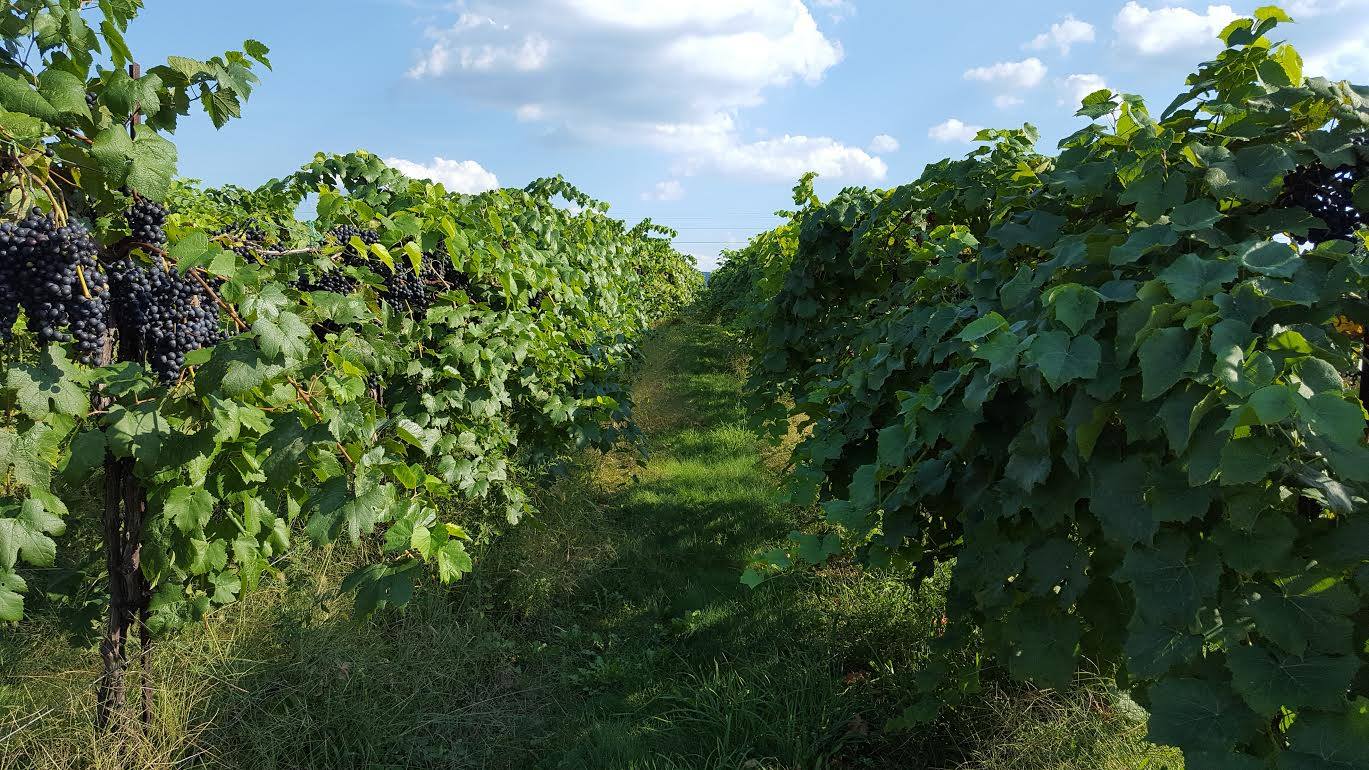
Chancellor grapevines
University events like parent weekends, graduations, conferences and symposiums all create a significant influx that Christ continually plans for, watching the calendar and staffing the tasting room accordingly. Surprisingly, the epic PSU football games, which draw crowds of over 100,000, create some the winery’s slowest days, as people tend to avoid the scene and traffic altogether.
Just like its namesake region, the Happy Valley Vineyard & Winery is a cheery respite from the hubbub outside. Guests can gaze on the grapevines with Tussey Ridge in the background, enjoying the different seasons and flavors of viticulture in the region. Christ says, “We’re three miles from downtown State College, but when people get here, they feel isolated. It takes them away from their daily life and gives them a place to relax.”
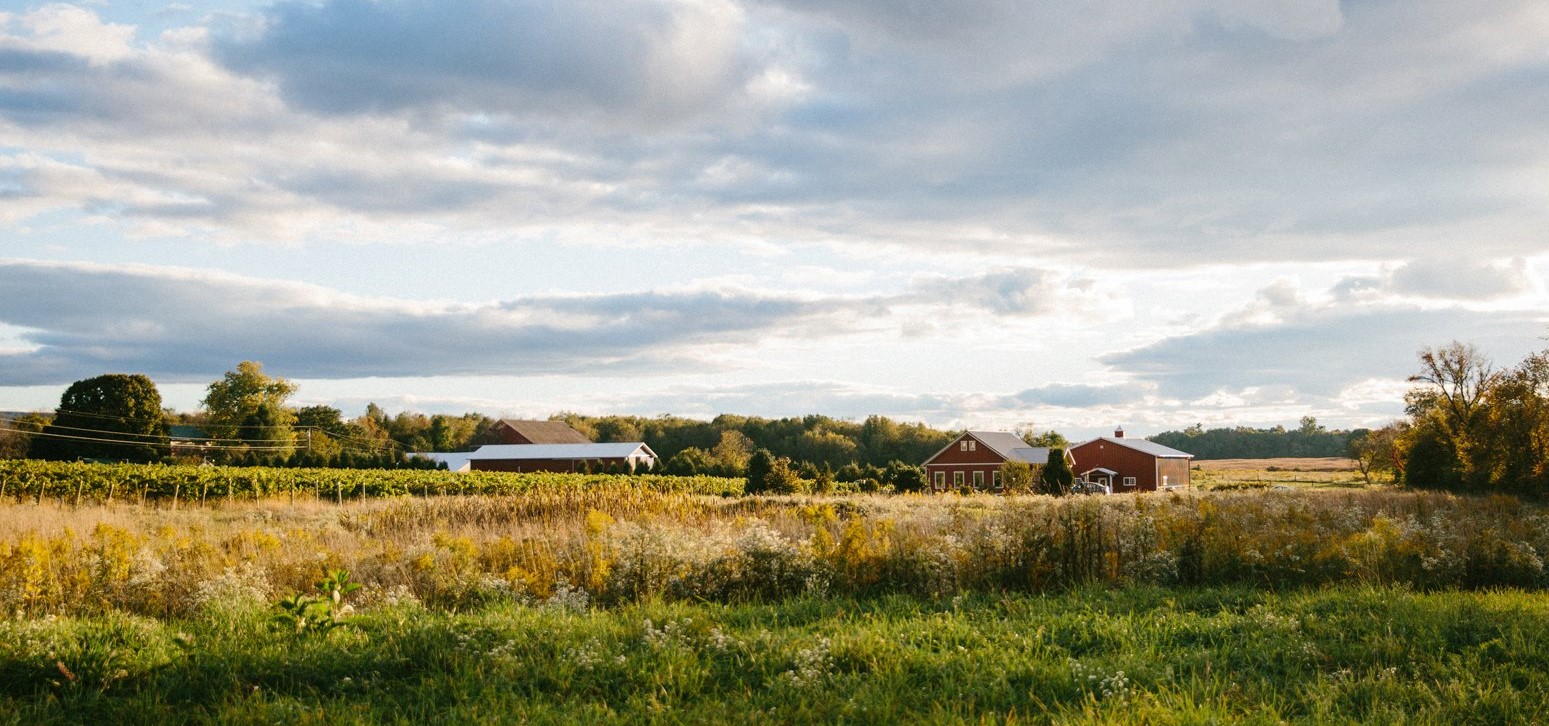
To visit the wineries of the Happy Valley PVA, head to the PA Wines searchable map and plan your visit. Be sure to stop at Happy Valley Vineyard & Winery to taste the terroir and take in the views. 576 S. Foxpointe Dr., State College; (814) 308-8756.
The PA Vines & Wines series was created in collaboration with the Pennsylvania Wine Association with Round 8, Act 39 grant funding from the Pennsylvania Liquor Control Board (PLCB).
The Pennsylvania Winery Association (PWA) is a trade association that markets and advocates for the limited licensed wineries in Pennsylvania.
- Photos: Happy Valley Vineyard & Winery