The food co-op movement is growing, and for good reason. As industrial, corporate agriculture continues to pressure local farms and producers, food co-ops fight back, strengthening small business food makers by offering a steady, local market channel. These synergistic grocery stores are built by and for the local community, meeting people’s food needs while bolstering the hyper-local food system and economy.
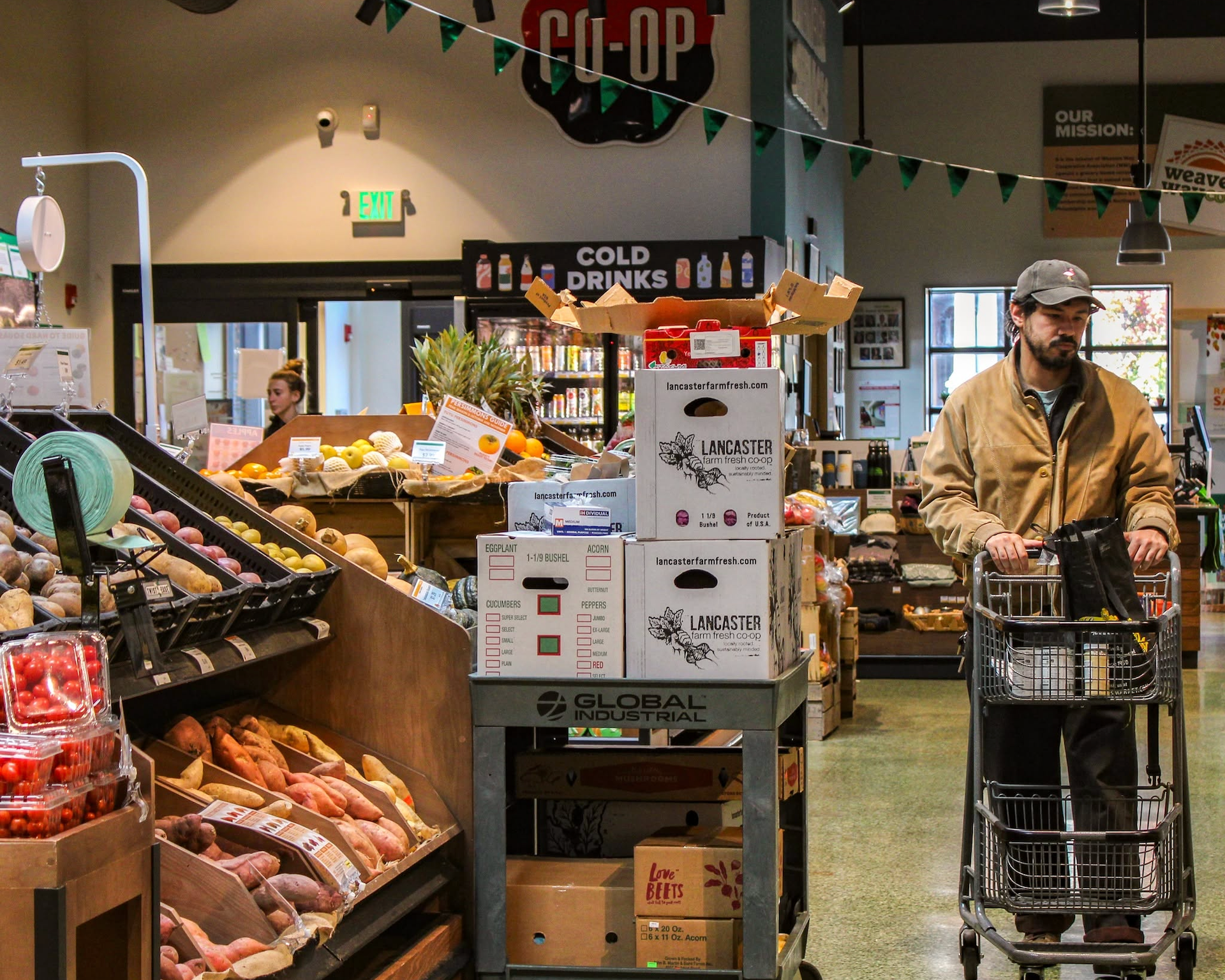
Weaver’s Way Co-op
“The greatest benefit is knowing I own a grocery store alongside my neighbors,” says Anne Shuniak, member-owner of the West Chester Cooperative in Chester County. “How amazing is that? I especially love knowing the people behind so many of the products on our shelves. These aren’t just brands. They’re our neighbors, families, and small business owners who pour their hearts into what they do.”
Food co-ops are springing up across the Commonwealth. In late 2026 alone, West Chester Cooperative, Kennett Community Grocer and Bethlehem Co-op Market will all open their doors to the public.
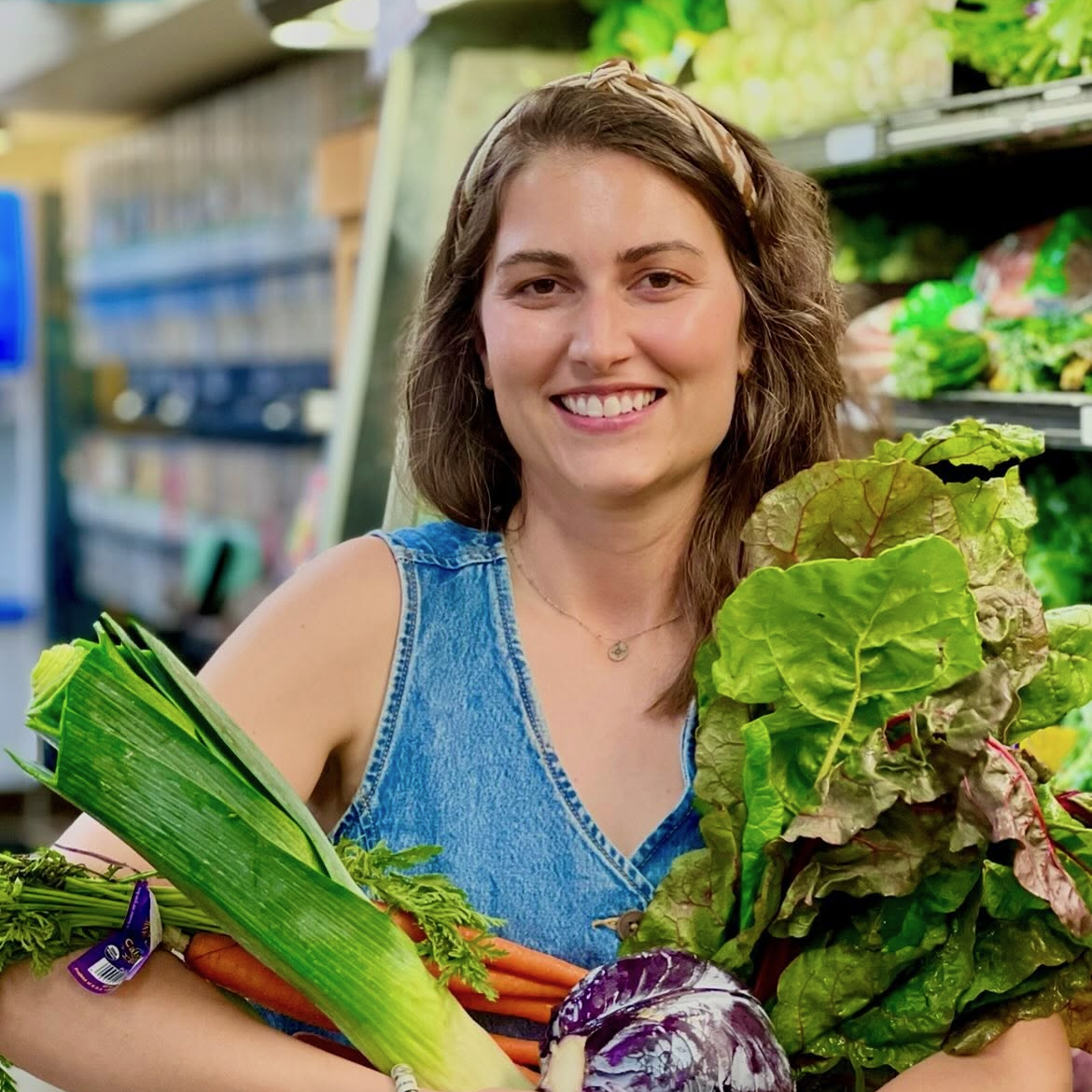
The West Chester Cooperative spent about a decade in development before officially opening its doors. This kind of lengthy timetable is actually the norm for community-owned cooperatives across the country, which are built through grass roots efforts and a deep commitment to values like inclusivity, democracy and sustainability. Once established, these retail grocery stores enrich the local economy by shortening supply chains, keeping money local, creating jobs and offering revenue to businesses throughout the region.
We dove into the food co-op scene, learning about the history and profound benefits of this powerful movement.
What is a Food Co-op?
In its simplest terms, a food co-op is a community-owned grocery store. Co-op members are also owners of the store after joining through a one-time or annual equity fee. The store is run democratically, with decisions made by member-owner votes or an elected board. Its income is often reinvested and dividends may be divided among members.
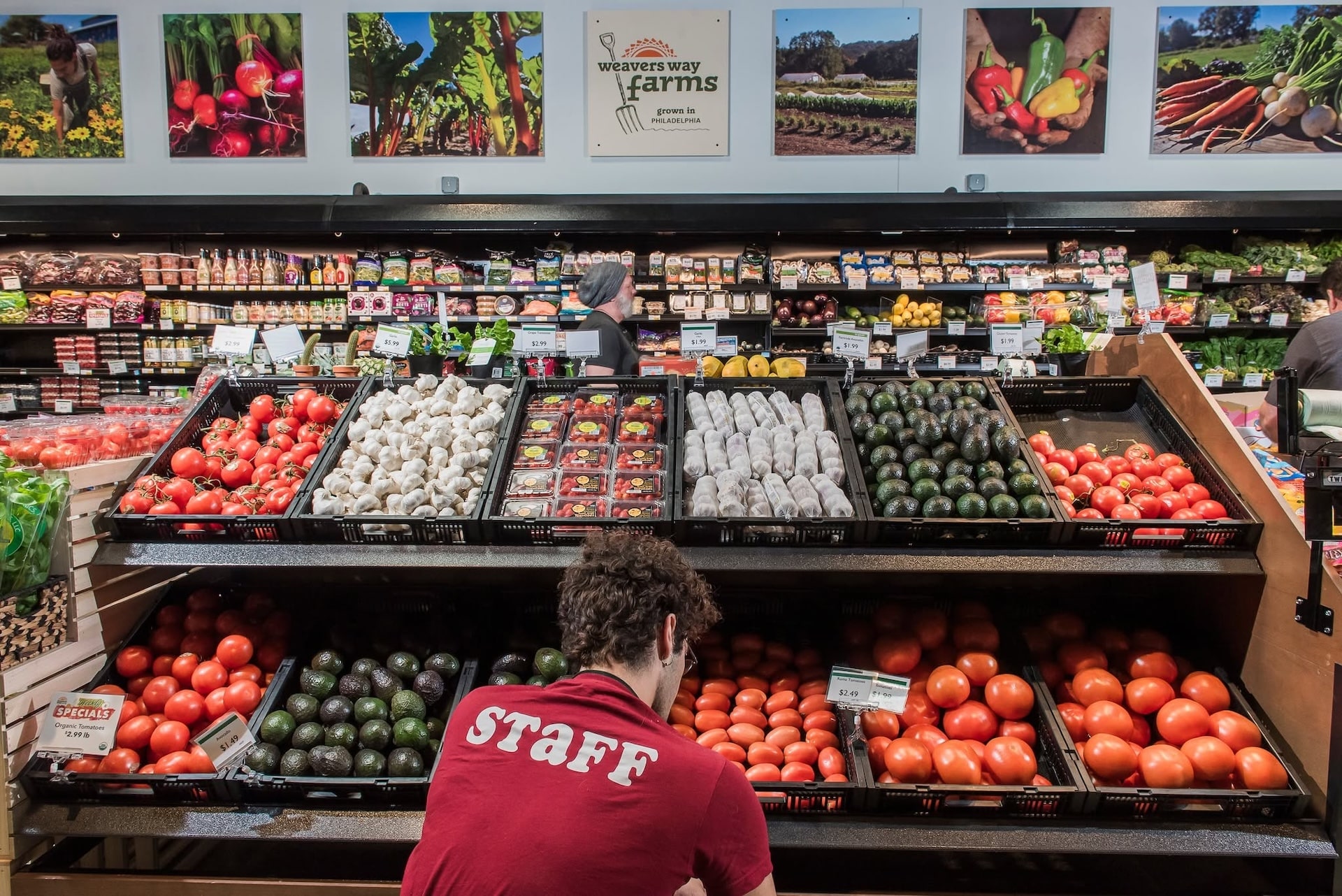
Weaver’s Way Co-op
Member-owned retail food co-ops differ from other cooperatives you might hear about, such as dairy and farm supply cooperatives and cooperatives among farmers and producers. The Dairy Farmers of America (DFA), for example, which includes the Lehigh Valley Dairy Farms brand, connects dairy farmers to robust distribution that reaches national and global markets. Farmer and producer cooperatives, such as Lancaster Farm Fresh Cooperative, NWPA Growers and the Central PA Produce Cooperative operate similarly, connecting farmers and producers with broader retail and wholesale markets than they would likely ever reach individually. Retail, member-owned food co-ops similarly connect local consumers with local farmers and producers, but with an inverse, consumer-led model.
Food co-ops prioritize local, sustainable, organic and bulk goods, which match member values and offer alternatives to mass-market, processed corporate brands. Locally-sourced inventory strengthens the local economy and food system, providing small and medium scale farmers and producers with a steady income channel and consumers with the opportunity to invest their dollars right back into their region.
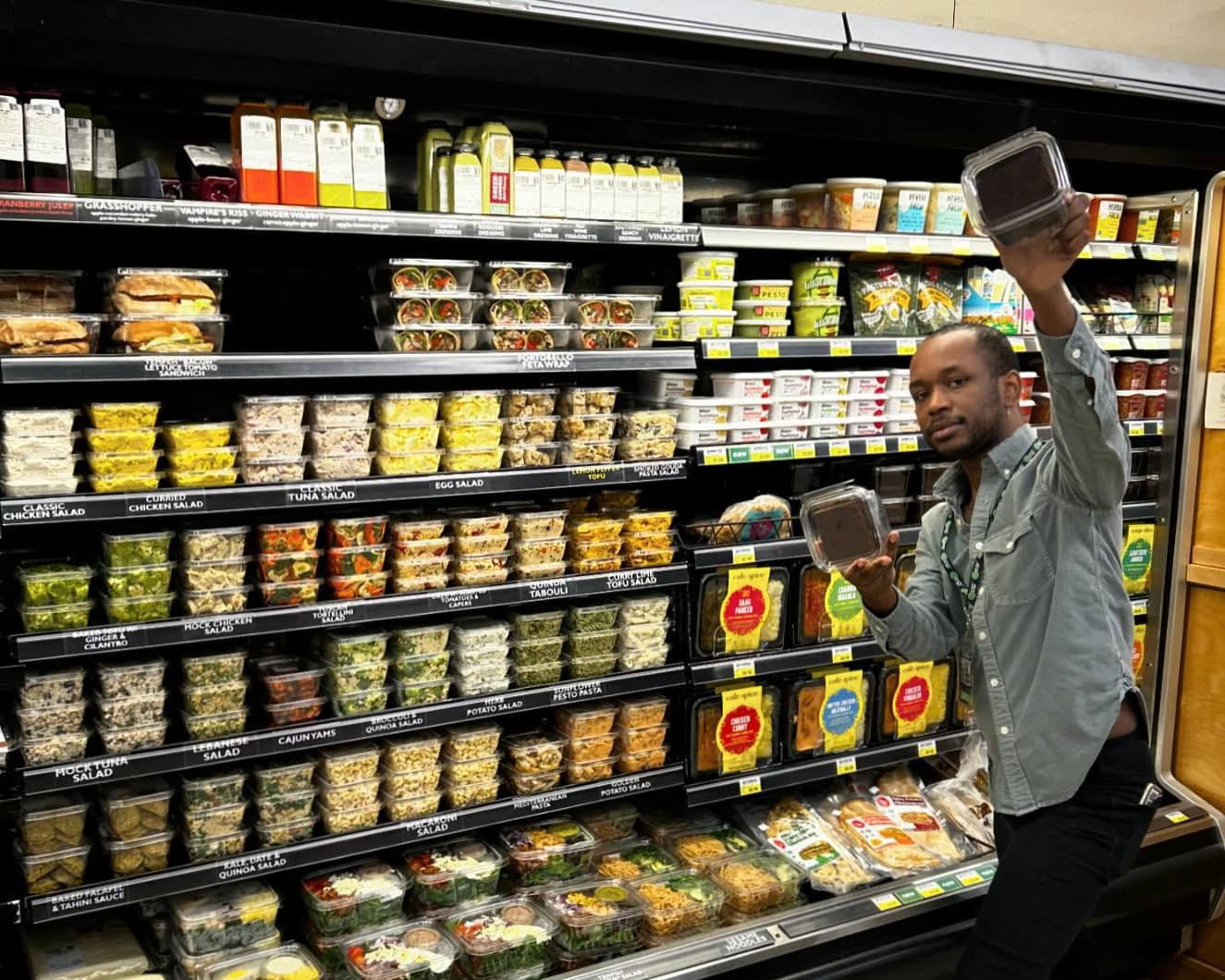
East End Food Co-op
Food co-ops typically feel like friendly, compact grocery stores. They’re open to the public and offer everything from fresh produce, meat, dairy and eggs to baked goods, pantry staples, and bulk bins of grains, seeds and dried fruits. You’ll also find grab-and-go prepared foods, specialty gluten free and vegan items, body care, household staples and dietary supplements.
Members typically have access to special discounts and promotions, invitations to special events, and tend to develop personal relationships with the staff, sometimes even working or volunteering at the market themselves.
A Little Co-op History
The cooperative movement originated in England, in 1844, when a group of industrial weavers created a co-op called The Rochdale Pioneers. This group laid the groundwork for all co-ops to follow, including the seven Rochdale Principles upon which many co-ops are founded.
These principles include:
- Voluntary and open membership
- Democratic member control
- Members’ economic participation
- Autonomy and independence
- Education, training and information
- Cooperation among cooperatives
- Concern for community
The Great Depression sparked a second wave of co-op foundings including the beginnings of today’s third-oldest co-op in the country, Delaware County’s Swarthmore Co-op. Decades later in the 1960s and 1970s, co-ops surged yet again with the establishment of over 500 retail co-ops offering alternatives to contemporary chain grocery stores.
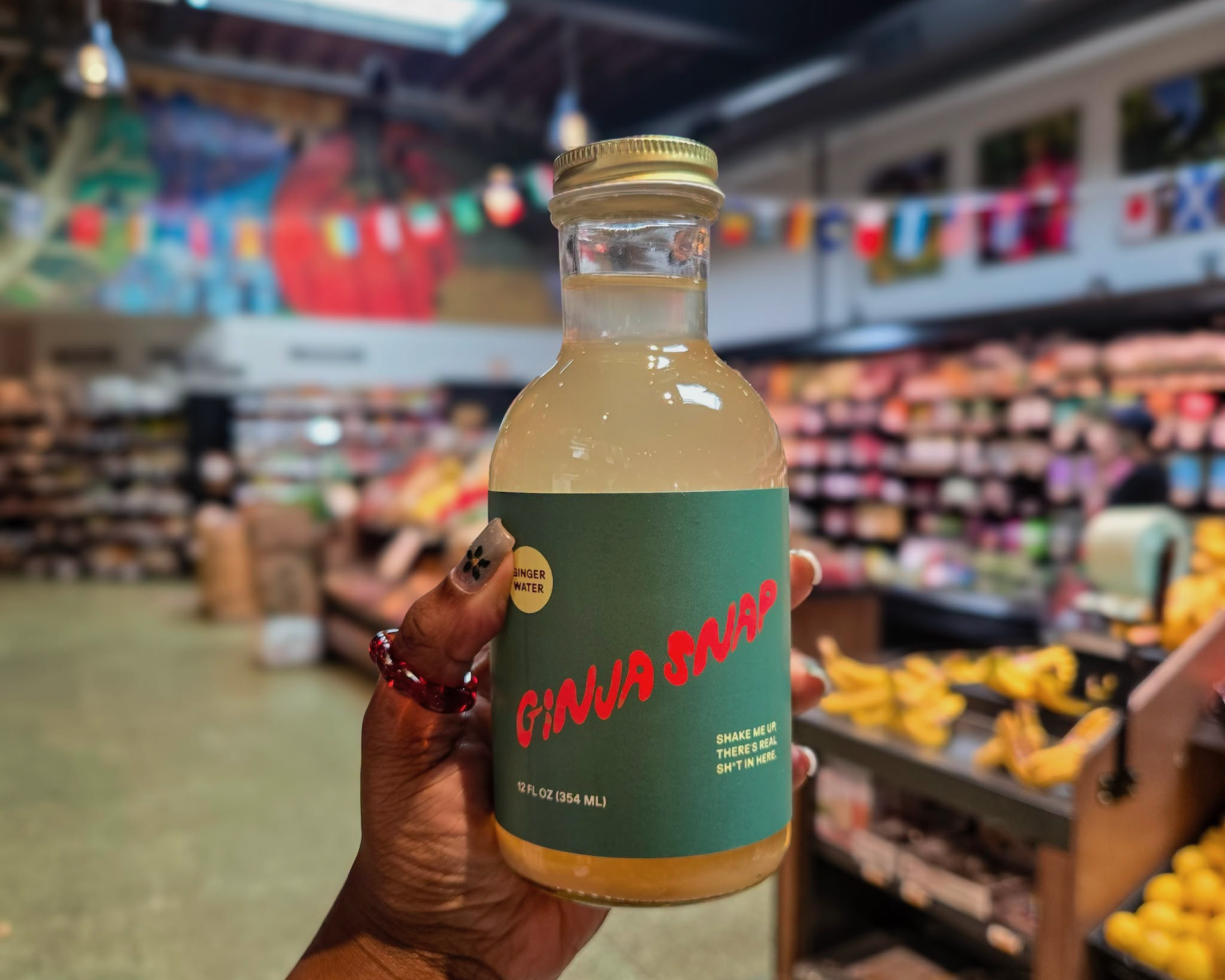
Weaver’s Way Co-op
Today, we find ourselves in another co-op wave that began in the early aughts and centers local consumption, a farm-to-table mindset and food justice. There are approximately 400 co-op grocery stores in the United States, and research shows co-op sales growth doubling that of traditional grocery stores.
Case in Point: West Chester Cooperative
Shuniak says she “signed up on hope,” when joining the West Chester Cooperative as its founding third member-owner and an original board member. “I was familiar with the co-op concept and was immediately interested in getting involved,” she says. “It was an opportunity for me to be a part of a neighborhood grocery store experience while creating something new: a store owned by the people who shop there, supporting local businesses and keeping more of our dollars in our community. At the time, we didn’t have a building, shelves, or groceries. We had a vision, a group of passionate people, and a shared belief in what we wanted to build.”
Eleven years later, the store has officially opened to rave reviews, praised by local shoppers for its impressively wide selection of fresh, local food and for the friendly, welcoming atmosphere. It sits in the heart of the walkable West Chester borough, known for its food scene but, until now, lacking for a full service grocery store downtown.
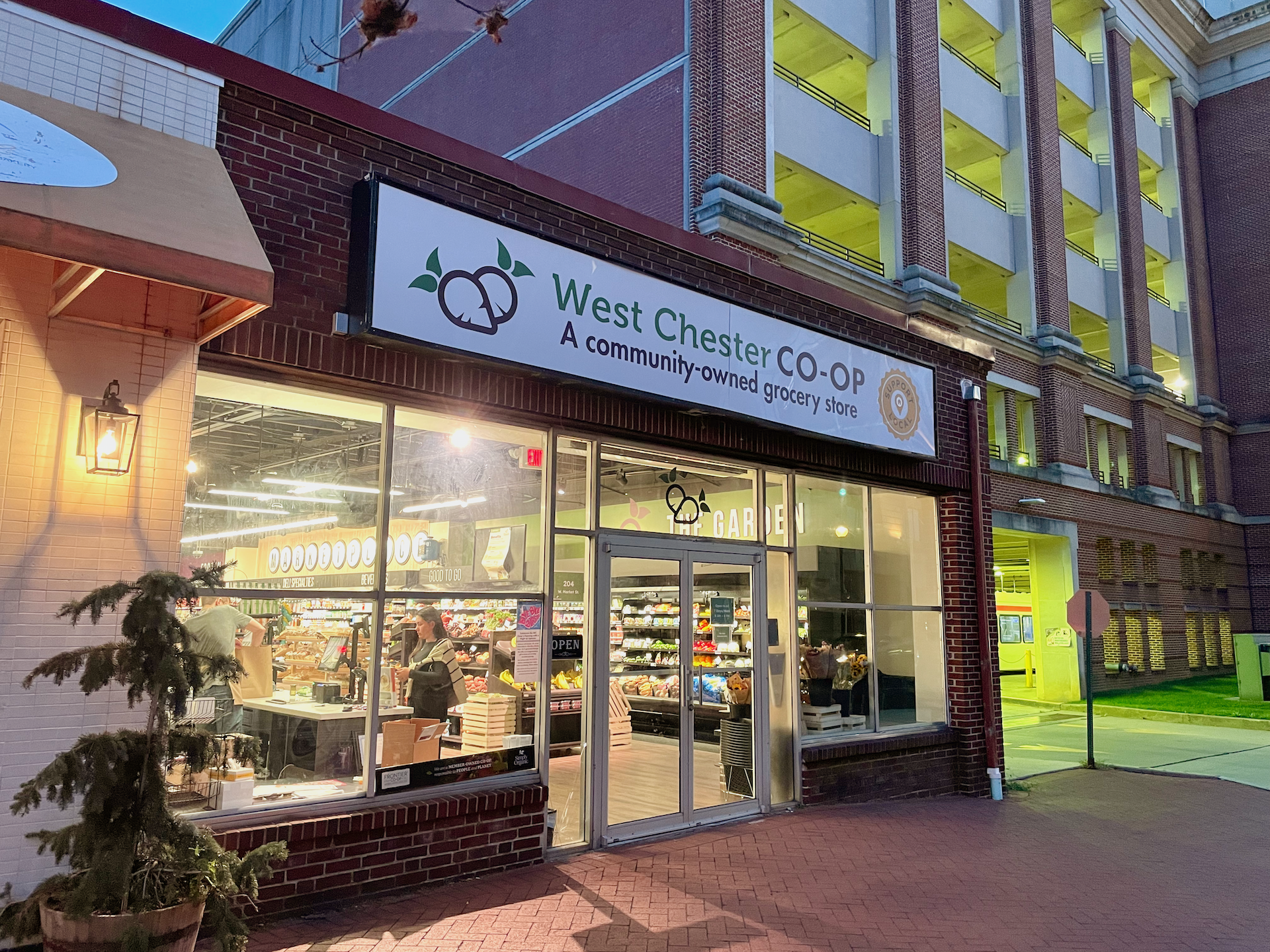
Shuniak says, “We’re bringing greater access to fresh, quality food to all neighbors. We’re currently working toward accepting SNAP benefits and West Chester University’s Ram Bucks because making good food accessible to more people matters. Every time someone chooses to shop with us, they’re investing in the people, businesses and local food system that help make this town special.”
Food co-ops offer something counter to increasing commercialization and globalization, both in terms of inventory and mindset. “I think people are craving connection,” Shuniak says. “We want to feel like we’re part of something, and we want our choices to matter. More people are paying attention to where their food comes from, who grows it, who makes it and how their purchases impact the people around them. A co-op brings those things together. It gives people an opportunity to have a voice, support businesses that reflect their values, and be part of something bigger than themselves.”
As the co-op movement continues to grow, let’s take a look at the food co-ops – old and new – strengthening Pennsylvania today.
Pennsylvania Food Co-ops
Erie Food Co-Op (Erie): With roots going back to the 1970s, the Erie Food Co-Op has been doing its thing for quite some time. Centrally located in downtown Erie on US-20, its easy to find and boasts a convenient parking lot. The store offer a wide variety of organic and natural foods, bulk spices and coffee and a cafe with short-order sandwiches and soups. Its buyers prioritize hyper local growers and producers from Erie County, looking farther in their network throughout Pennsylvania, Cleveland and Buffalo as needed. The Erie Food Co-Op runs a special wooden nickel program that invites guests to support local nonprofits while shopping sustainably. Each shopper that brings a reusable bag receives a nickel, which they can drop into a collection box for a featured, local organization focusing on health, nutrition, education, the environment or related areas within a 20-mile radius. 1341 W. 26th St., Erie; (814) 456-0282.
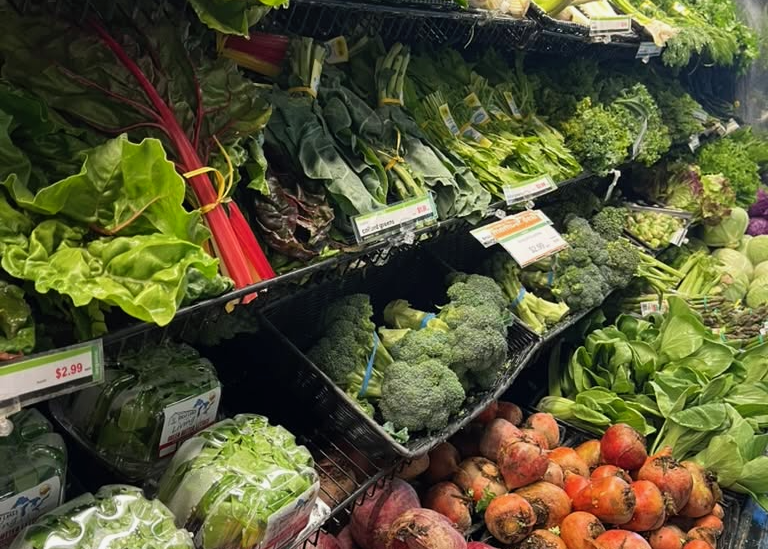
Erie Food Co-op
East End Food Co-op (Pittsburgh): Also in western Pennsylvania, the East End Food Co-op serves the Pittsburgh area with organic produce, vegetarian and vegan groceries and natural, fair-trade products. Inspired by Philadelphia’s alternative “buying clubs” in the 1970s, Point Breeze residents David and Rodah Zarembka started their own, officially opening a retail storefront in Pittsburgh’s East End in 1978. Today, it boasts over 18,000 member owners. East End Food Co-op is open seven days a week, 8 a.m. to 8 p.m., and hosts a medley of fun and educational events like game nights, wild soda making workshops and affordable meal-making workshops. There’s on-site parking and curbside pickup available. 7516 Meade St., Pittsburgh; (412) 242-3598.
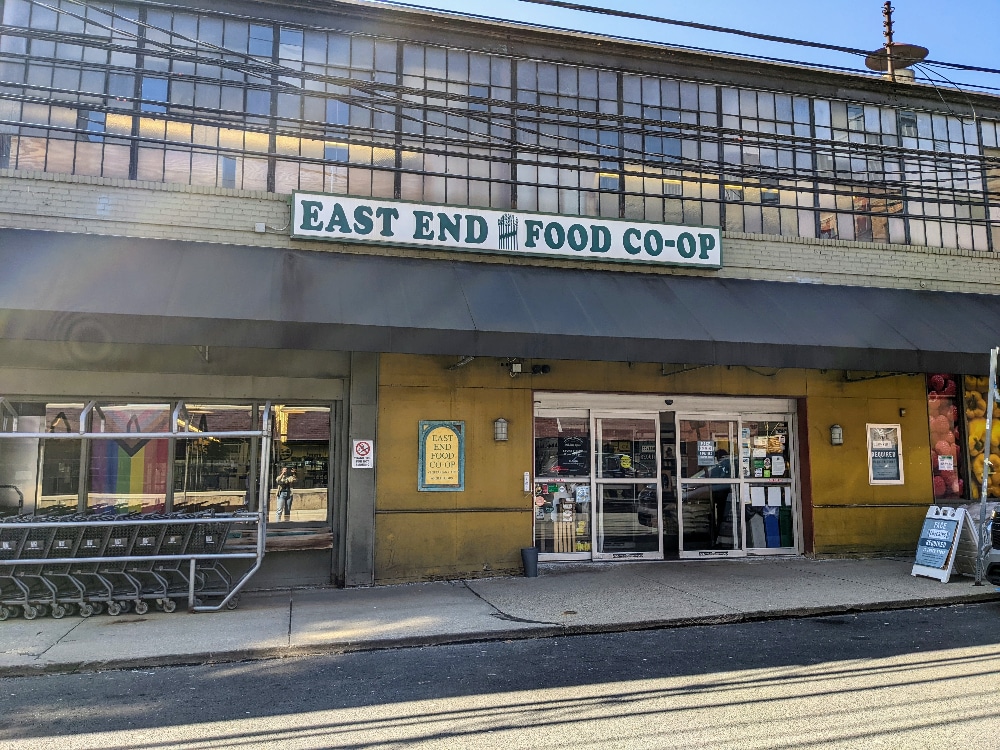
East End Food Co-op
Weaver’s Way Co-op (Greater Philadelphia Area): Weaver’s Way operates not just one, but four, locations in and around Philadelphia. The original location in the Mt. Airy neighborhood of Philly opened in 1972, and from there it has grown and evolved to become one of the most robust cooperatives in the region. Weaver’s Way also operates two working farms in Northwest Philadelphia, which each have CSAs that offer their locally grown produce to neighbors. The Ambler, Chestnut Hill and Germantown locations both have prepared hot and cold food bars, in addition to fully-stocked grocery stores; in Mt. Airy, find the storefront where Weaver’s Way has been for 40 years, plus a pet and wellness supply store at Weaver’s Across the Way (just down the street), and Weaver’s Way Mercantile, a few storefronts down, which sells vintage furniture, handmade pottery, jewelry, artwork and candles. Memberships are always open, including working memberships. 217 East Butler Ave., Ambler; (215) 302-5550; 8424 Germantown Ave., Philadelphia; (215) 866-9150; 328 West Chelten Ave., Philadelphia; (215) 843-1886; 559 Carpenter Lane, Philadelphia; (215) 843-2350.
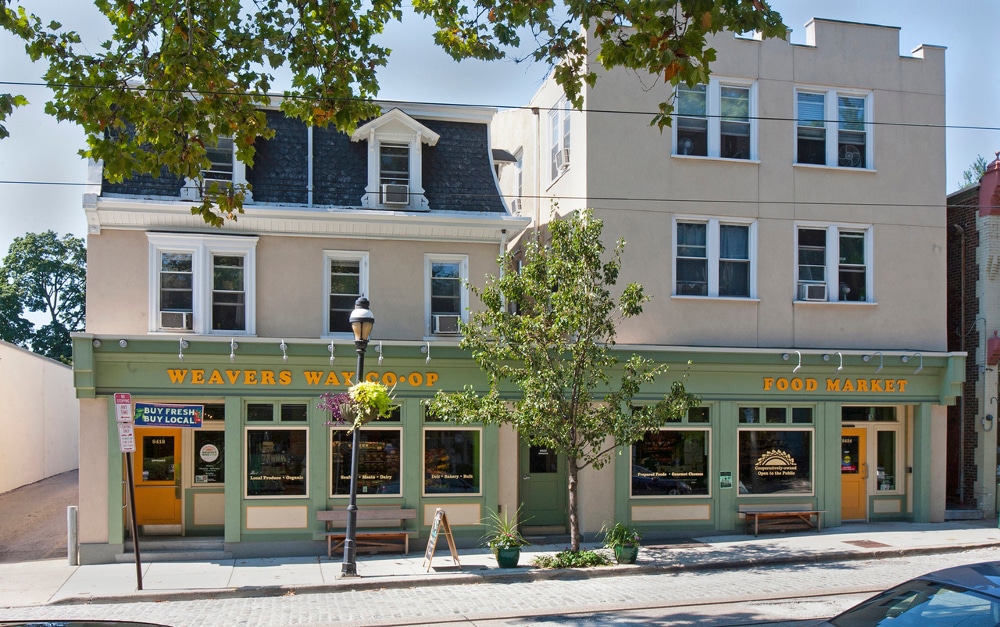
Weaver’s Way Co-op in Chestnut HIll
South Philly Co-op (Philadelphia): In April of 2020, a group of neighbors held their first meeting, with the shared vision of founding and opening a food cooperative in South Philadelphia. After many more meetings, fundraising initiatives, member drives and plenty of COVID-related setbacks, the South Philly Co-op opened its doors in December of 2020. This charming co-op, which is open to the public for shopping, is tucked into a bustling corner of the neighborhood, just off the intersection of Broad Street and Passyunk Avenue. Its fridges and shelves are stocked with a great selection of items, which all adhered to its product guidelines, which include locally and regionally produced whenever possible, and organic and sustainable. It also evolves its products, programs and services to meet the needs and wants of the local community, making membership at at this co-op all the sweeter. Find more info about joining here. 2031 S. Juniper St., Philadelphia; (215) 920-1100.
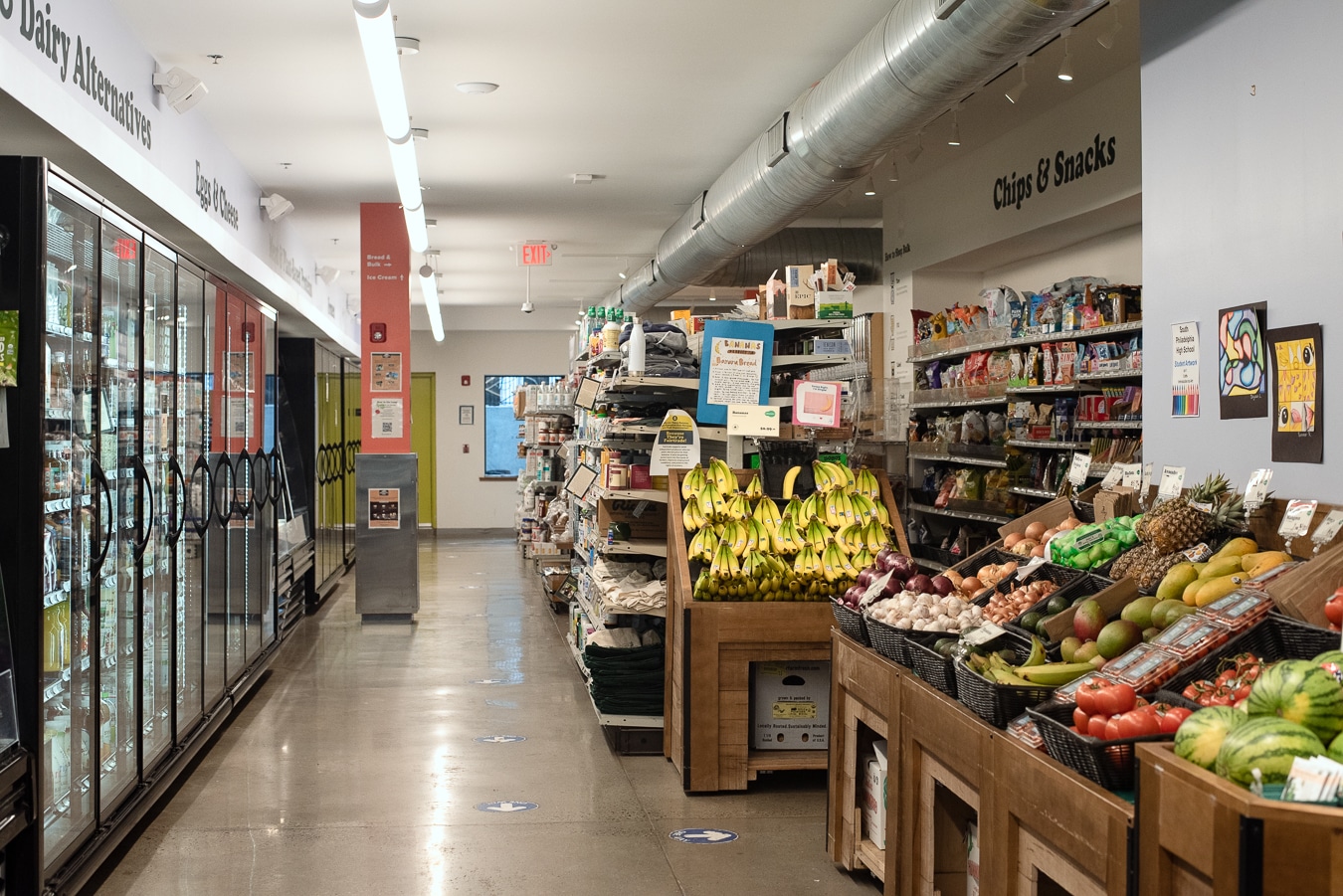
South Philly Food Co-op
Mariposa Food Co-op (Philadelphia): A West Philly institution, Mariposa Food Co-op has a long history of serving the community. It started up in 1971 as a buying club, with food distributed out of basements and garages, then moved to a small storefront in 1972. In 2008, members began the massive undertaking of fundraising for a larger space, and that dream was realized in 2012, when Mariposa’s new location opened its doors (right down the street from its old spot). This modern, airy space is five times larger than its original location and is open to the public for shopping. There is a wide selection of local produce, meats and plant-based protein, dried goods, body care products, baked goods and so much more. Membership applications are always open. 4824 Baltimore Ave., Philadelphia; (215) 729-2121.
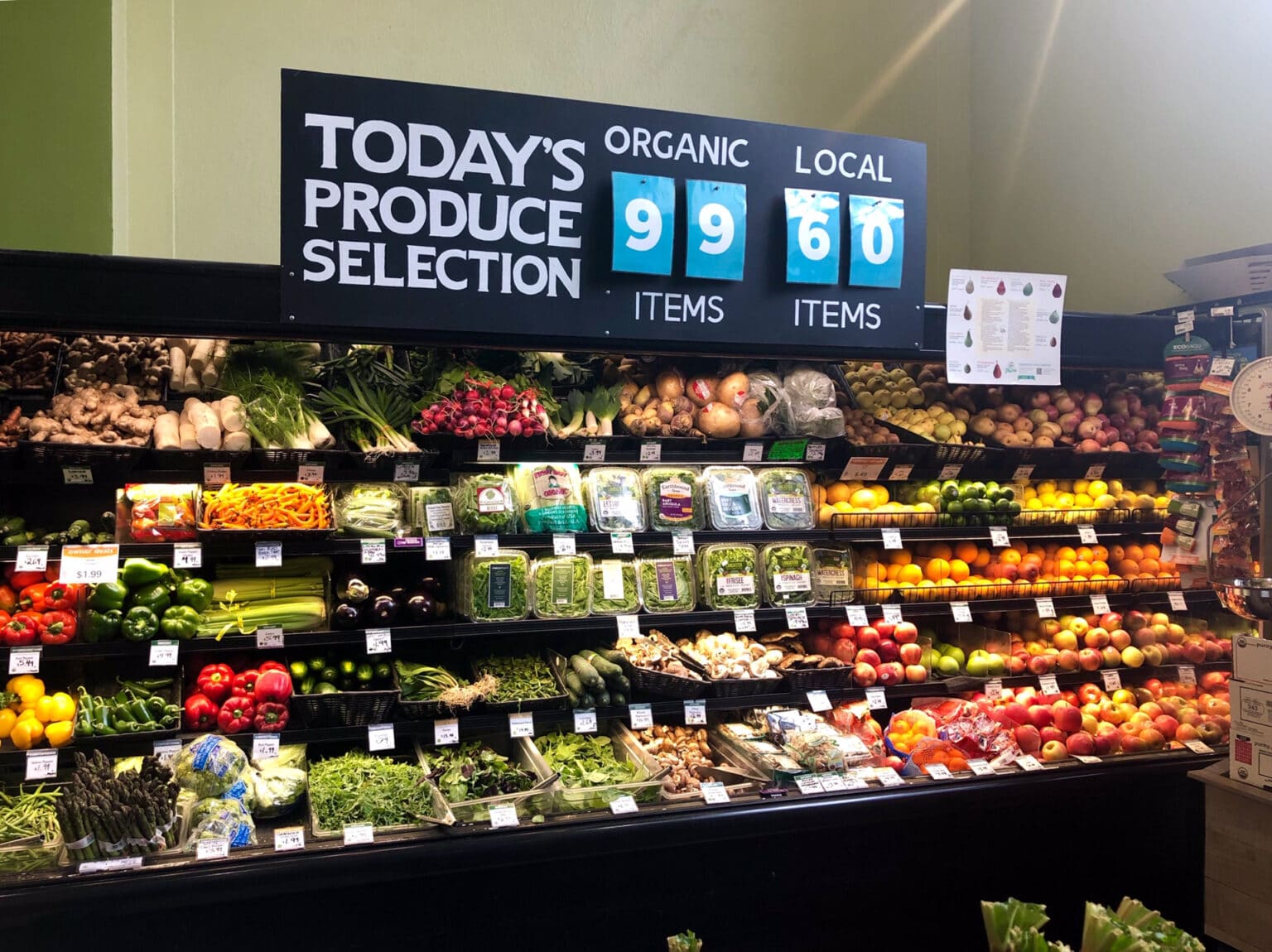
Mariposa Food Co-op
Swarthmore Co-op (Swarthmore): The history of this stalwart co-op stretches all the way back to 1937 (not a typo!), when the Swarthmore Fruit and Vegetable Buying Group started up in the basement of a local family’s home. This makes it the third-oldest food cooperative in the country! In the late 1930s, the Swarthmore Co-op moved into a storefront, where it operated until 2004, when a new storefront opened. Supported by over 1,800 members, this bustling market offers high- quality products, including local produce, full-service meat and seafood counters, specialty and grocery products, as well as beer and wine. Home delivery and curbside pick up are offered; head here for membership info. 341 Dartmouth Ave. Swarthmore; (610) 543-9805.
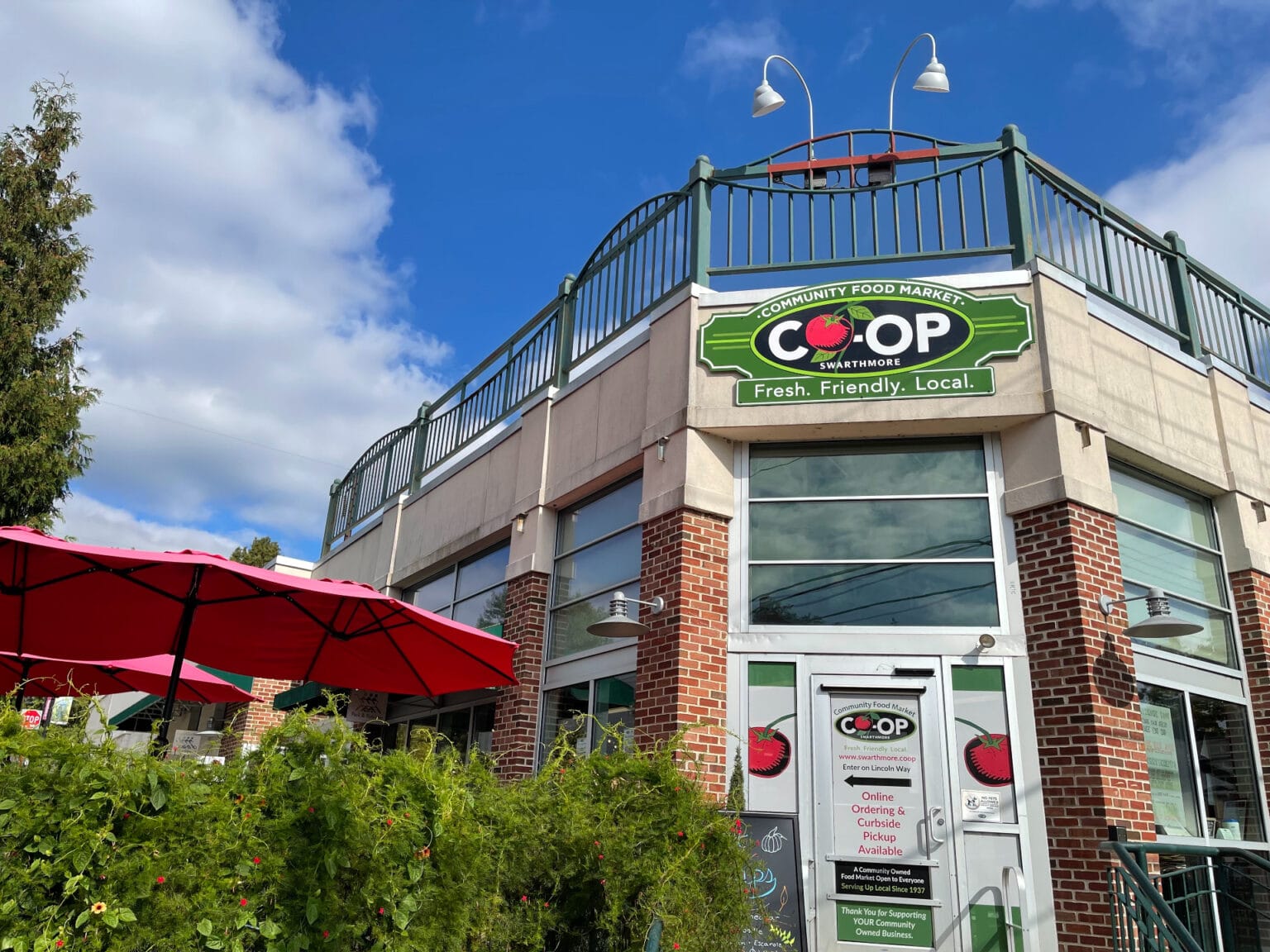
Swarthmore Co-op
The Rowland Cooperative (Rowland):This small but mighty NEPA co-op opened in April of 2020, right in the beginning of the pandemic, as a market in the historic Rowland Corners General Store. Since then, membership has grown to over 50 households, and the selection has expanded to include produce, dairy, meats, baked goods and more, including bait and tackle for folks fishing in the nearby Lackawaxen River. Those with a sweet tooth will love the loose, bulk candy, sold by the gram, and the weekly scrumptious baked goods delivered from nearby DeFilippis Bakery. 101 Solversen Rd., Rowland; (570) 685-9500.
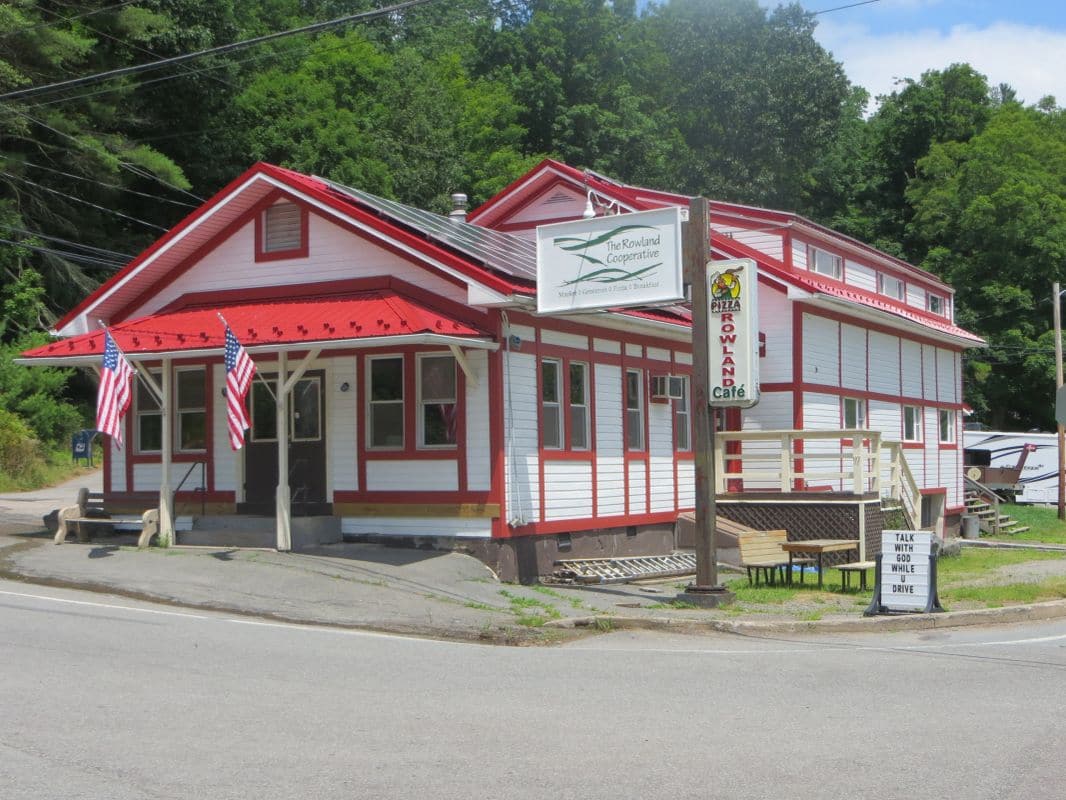
Rowland Cooperative
Coming Soon… Bethlehem Food Co-op (Bethlehem): Opening day is in sight for this downtown Bethlehem co-op, which opens for business on December 5 with a phase of soft openings throughout the fall leading up to the big day. Shoppers can order curated grocery boxes for convenient Saturday pickups, and check out the beautiful new space while connecting with like-minded neighbors. The co-op, which is 1,750+ members strong, will offer healthy, affordable food in its East Broad Street location. Congressman Susan Wild helped advance the project from vision to reality with a $2.9 million grant in 2021, and the pieces have steadily fallen into place since then. 250 E. Broad St., Bethlehem.
Coming Soon… Kennett Community Grocer Food Co-op (Kennett Square): With a planned opening in late 2026, final preparations are underway at Kennett Community Grocer, a co-op located just northeast of bustling downtown Kennett Square. Inspired by Weaver’s Way Co-op, Britton Mendenhall and over sixty community members hatched a plan for the store in 2018, officially signing its lease in 2025. The co-op will offer local produce, dairy, eggs, and meat as well as bakery items and baked goods. There will be a cafe for hanging out and special events led by farmers and healthcare professionals. New members are always welcome and updates are sent via newsletter. 639 E. Cypress St., Kennett Square.
Pennsylvania’s food co-op network has huge potential. With over 53,000 farms over 67 counties, the state is an agricultural powerhouse with robust financial incentives available, such as the Fresh Food Financing Initiative (PA FFI), supporting community-owned food outlets. As more co-ops emerge, the healthy, accessible food systems in our communities gain strength. It can take quite a while to get a food co-op up and running, but certainly worth it. “After all these years, seeing people walk through our doors, fill their baskets, discover local products, and make the Co-op part of their everyday lives is incredibly rewarding and heartwarming,” say Shuniak. “What started as an idea has become something real, thanks to so many people who never gave up on it. We built this together, and now we get to watch it grow together.”
- Cover photo: Leigh Green
- All other photos: Courtesy of the respective co-ops




One Comment