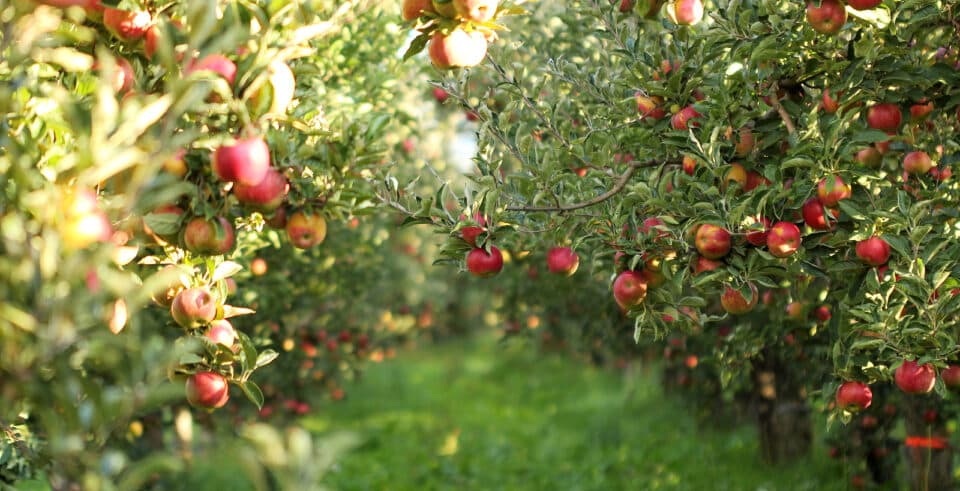
What happens when gardeners get too good at growing food? They give it away! In 2008, Master Gardeners Bill Zimmer and Norm Knaub found themselves harvesting far more produce than they could consume themselves, and together they founded Think We Not Me, an organization growing and donating food to local food banks. The organization has expanded tremendously since it first started, but remains steadfast in its simple vision to provide free, locally grown fruits and vegetables to distribution partners working to end food insecurity in Centre County.
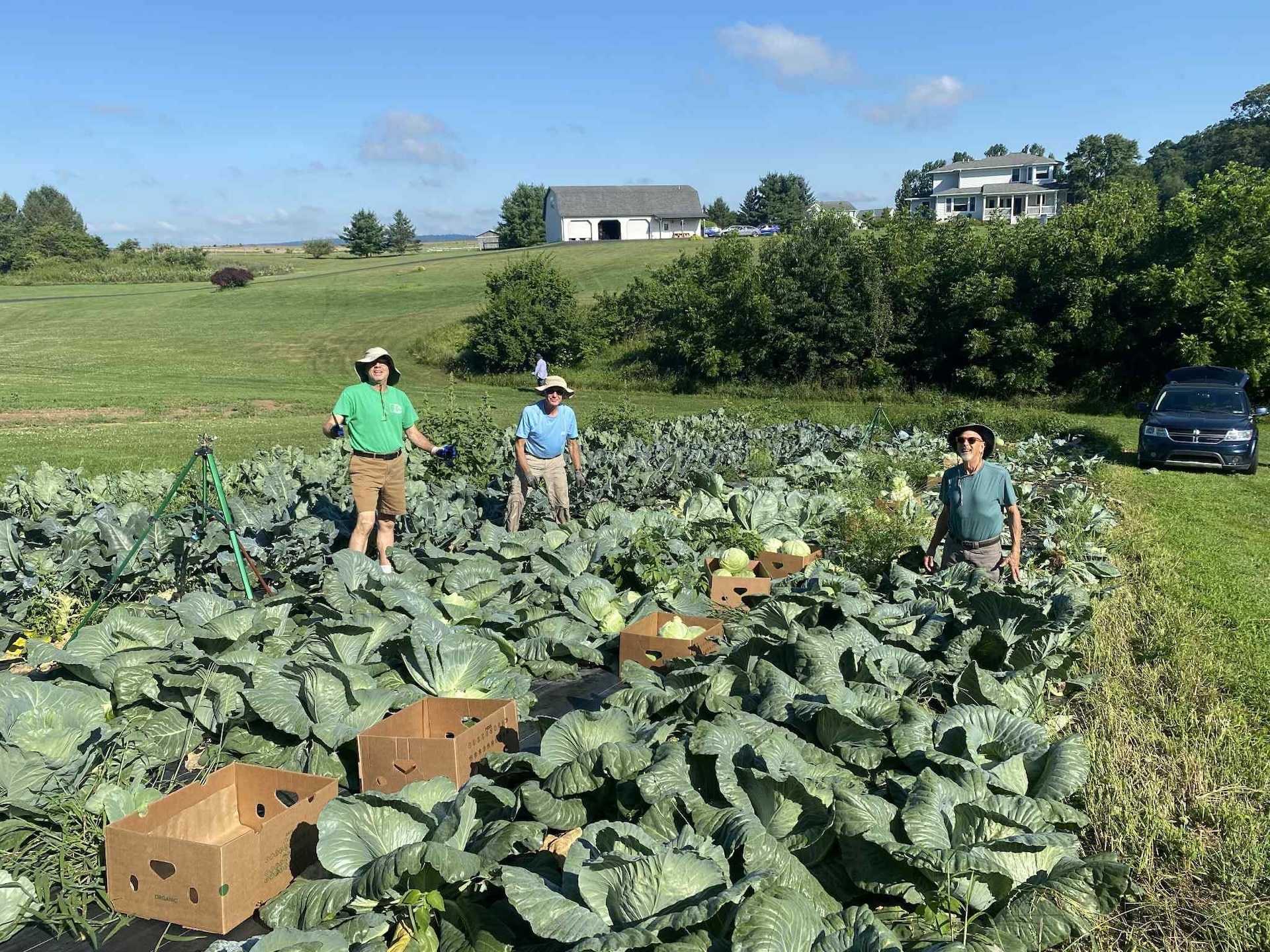
We spoke with Edie Binkley, Volunteer and Distribution Coordinator, about the evolution and impact of Think We Not Me. Binkley has been instrument in the organization’s growth, securing and fostering a team of volunteers, managing the massive produce pipeline and and applying her extensive nonprofit experience to her leadership role. She says, “Basically, the idea of this organization is to provide folks experiencing food insecurity with fresh fruits and vegetables to go along with the shelf stable items they get from different, local food distribution locations.” She says the entire operation is fueled by volunteers and donations.
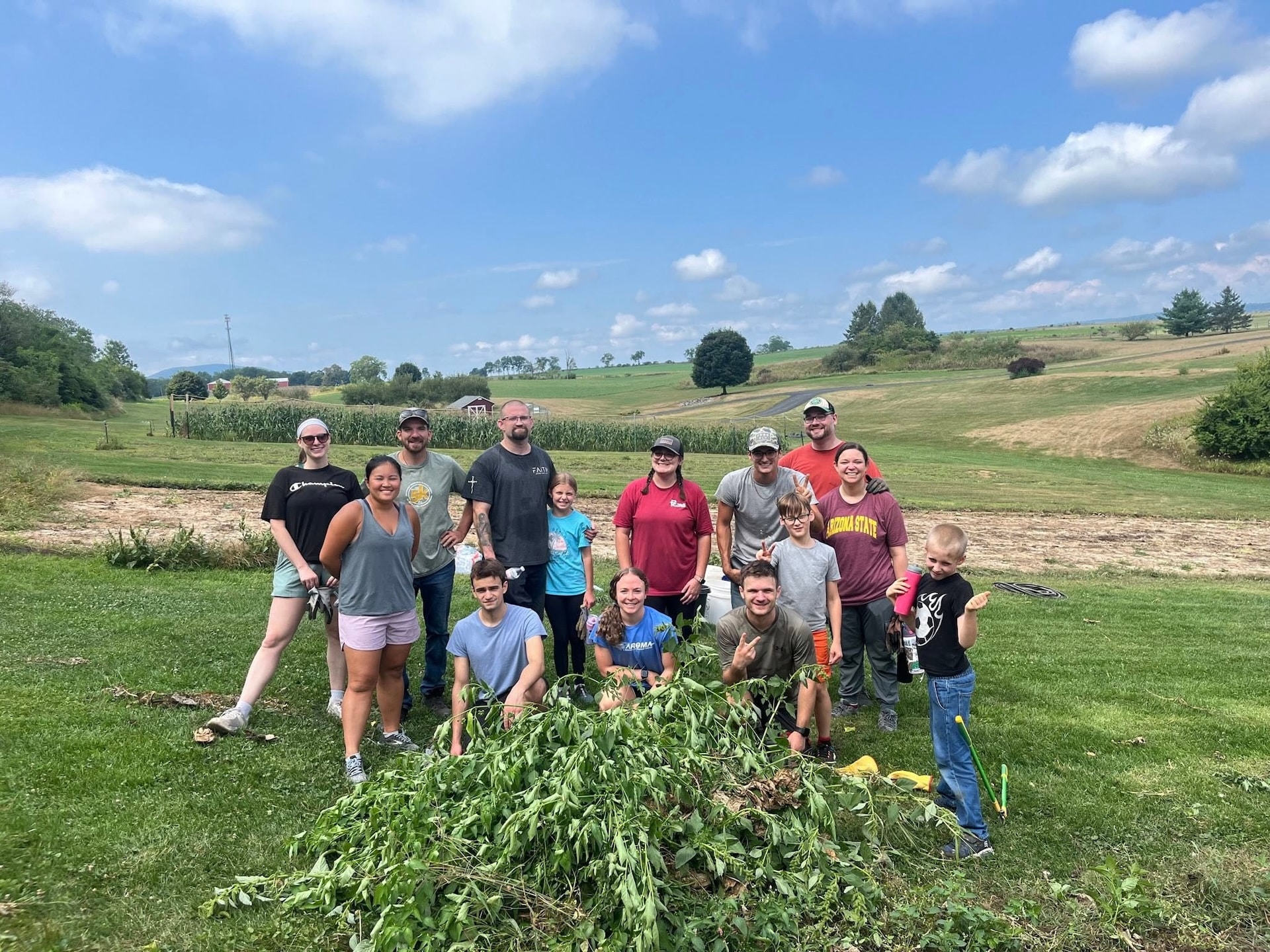
Think We Not Me volunteers
In 2025, Think We Not Me donated 83,000 pounds of fresh food to over 30 organizations, all of it grown by volunteer gardeners on privately owned land. Zimmer and Knaub continue to share their gardens, as well as six other primary growers in the area, like board member Ken Lipson. The effort is further strengthened by suppliers that donate produce and bulk purchases made possible by donations to Think We Not Me.
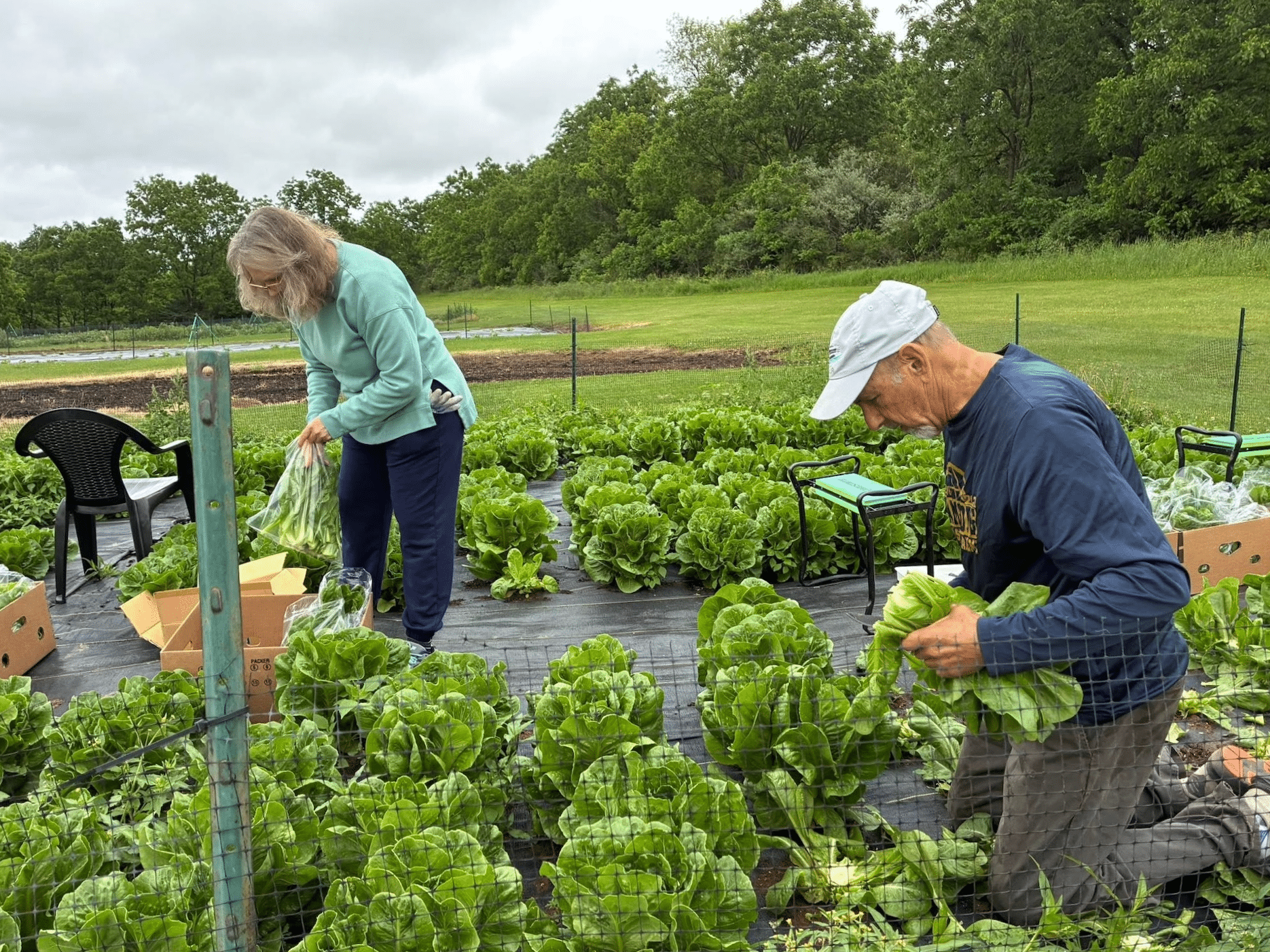
The goal for 2026 is 100,000 pounds of donations. “That’s going to be our sweet spot with the size that we are and the manpower and distribution locations that we have,” Binkley says. While she says the need for food is big, exacerbated by federal changes to SNAP, and the donations are abundant, the logistics of channelling ready-all-at-once seasonal produce through distribution centers sometimes bottlenecks. Sweet corn is an example. “When you have an acre of corn ready, it’s ready,” Binkley says. “You have to pick it and you need to disperse it. Last year, they said, ‘Edie, there’s more,’ but I had maxed out every distribution site that I could.”
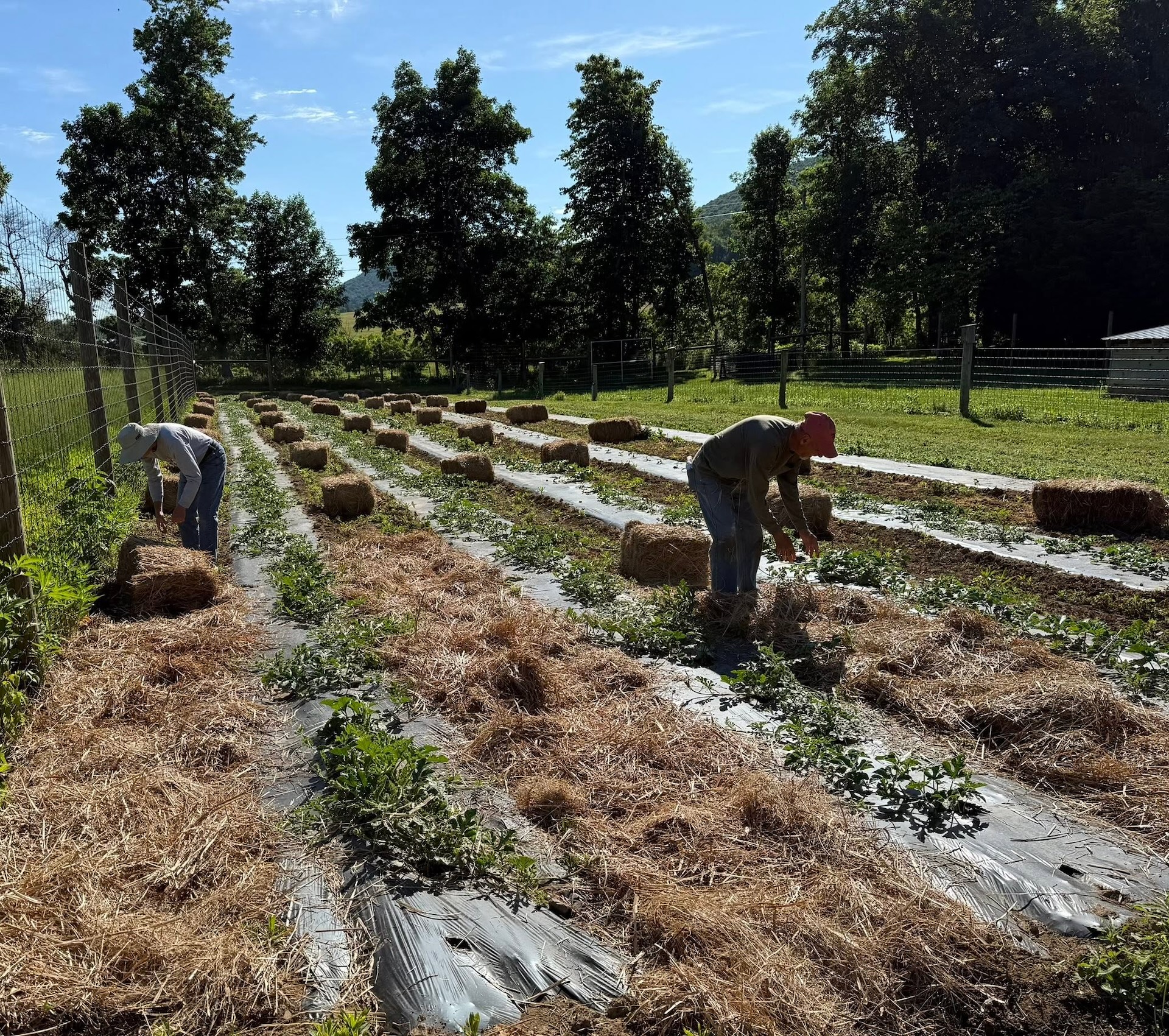
One solution is expanding partnerships with distributors, which Think We Not Me continues to do. During the dormant winter months, Binkley zeroes in on this task. “Throughout the winter, what I do is a lot of getting our name out there – a lot of community outreach so that people know who we are,” she says. The connections, publicity and word-of-mouth contribute to steady growth, including the addition of 10 new community groups in 2025.
Another logistical remedy is crop staggering; planning for various harvests to happen in succession rather than simultaneously. For example, sweet corn will come in at three separate intervals in 2026 to avoid excess at one given time. Think We Not Me capitalizes on growers’ strengths and capabilities as well, using sites with high tunnels for leafy greens in the spring and sunny, warm-weather sites for summer crops. Growers plan plantings based on distributor requests, which are client-focused. This typically means familiar, common produce items, like broccoli, cauliflower, cabbage, carrots, zucchini, yellow and winter squash, tomatoes, cucumbers, peppers, onions, eggplant, seedless watermelon, and canary, Crenshaw and cantaloupe melons. The organization is working on educational programming for harder-to-prepare produce, like winter squash and kale, to make cooking it feel more accessible.
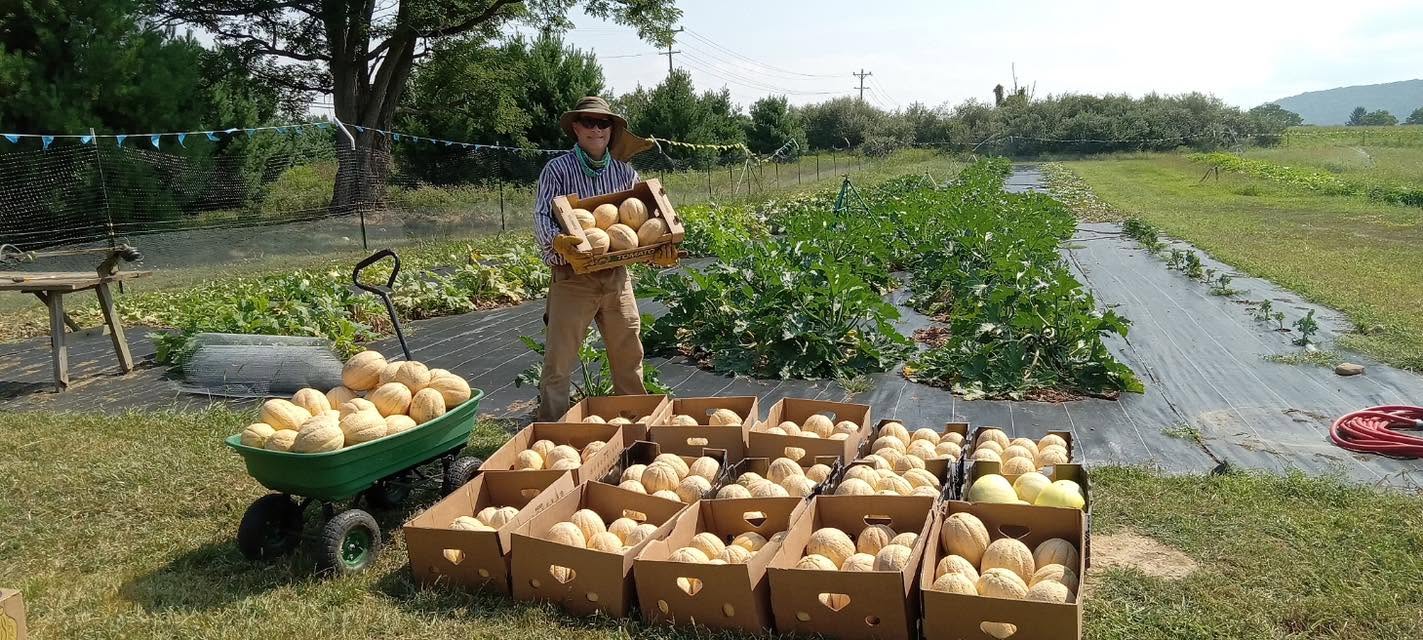
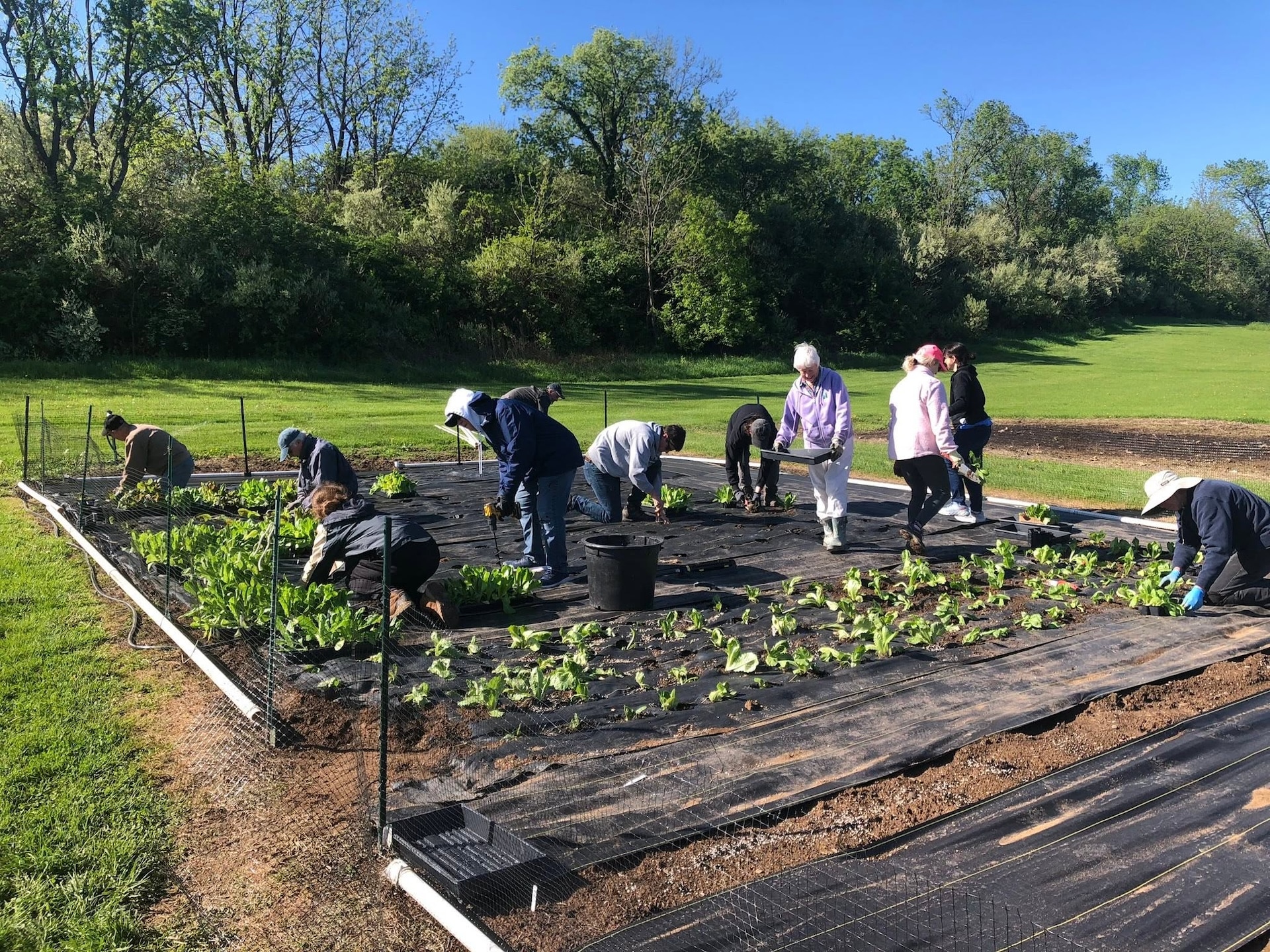
A huge part of Binkley’s job is recruiting and working with volunteers. Many come from Penn State University, also in Centre County, though that manpower tends to be transient. Binkley stays on top of communications and ensures an easy, enjoyable experience for volunteers. “There’s no pressure,” she says. “We send out an email and it’s a ‘yay’ or ‘nay’ thing. Our volunteers usually do a two-hour event and no longer because sometimes we’re out in a field and there’s no bathroom facility. We always provide the tools needed and bottled water. We tell volunteers whether it’s a low- or high-impact event and what we’ll be doing, whether it’s harvesting, planting, bagging, or weeding.”
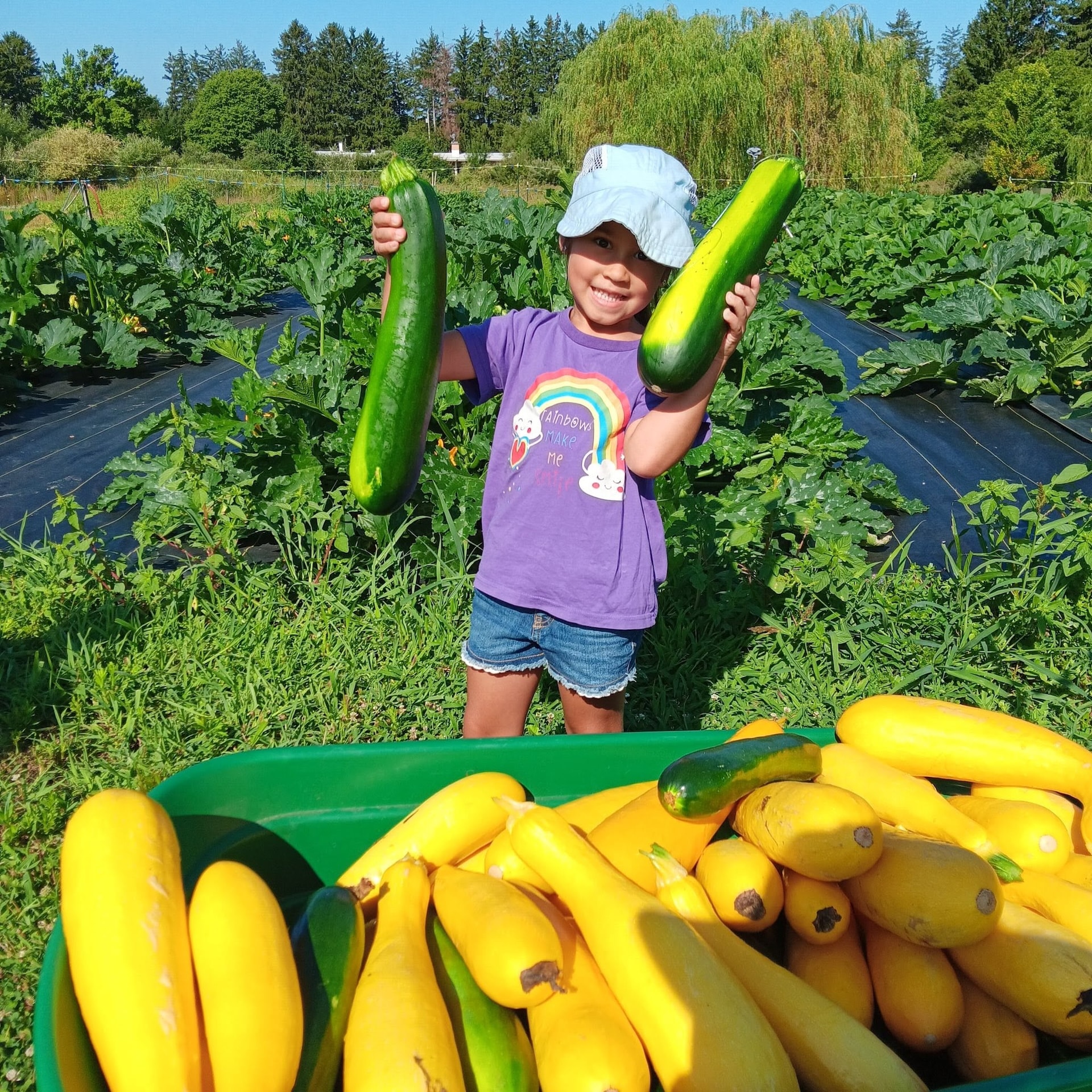
Organizations, like Girl Scouts, Boy Scouts and church groups, often sign up, too, fulfilling community service goals. “We offer family-friendly opportunities with some projects,” Binkley says. “Some harder projects little kids can’t do, but strong teenagers can. We had Boy Scouts out and they were having the time of their life laying plastic. They love playing in the dirt.”
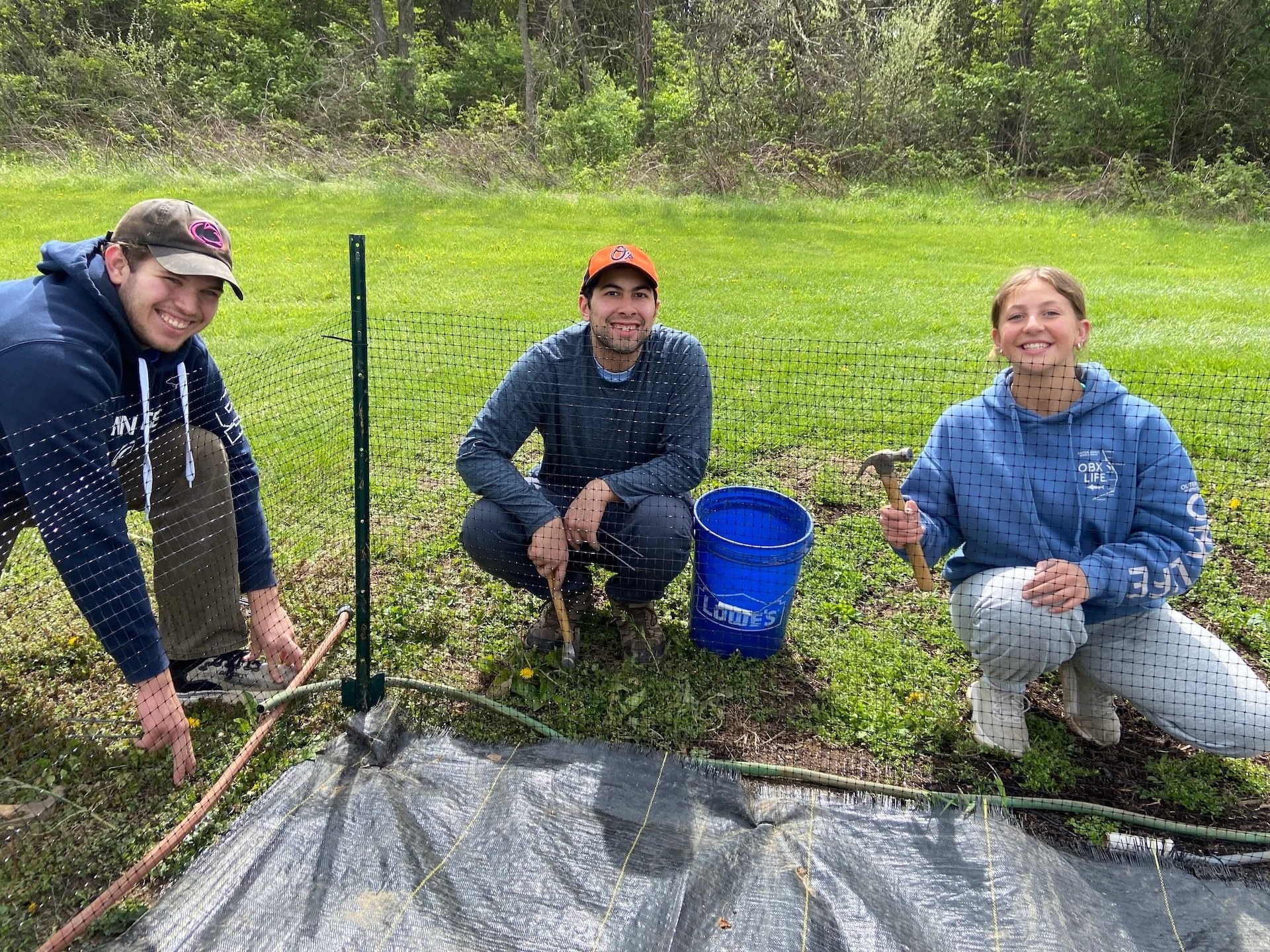
Penn State University volunteers
Federal funding cuts have impacted Think We Not Me, like so many nonprofits, so Binkley and the team continually seek grant opportunities and donations of time, money and equipment. They also run fundraisers, including painting parties and the annual Centre Gives. “That’s two days of online giving from the community. There’s a way for people to donate through their IRA or stocks, if they’d like. You’re awestruck when you see how much money is donated during that 48 hours,” Binkley says.
Thinking “we” is the true mission of this organization, which serves Centre County’s most vulnerable population. In the same way, the local community has stepped up, time and again, to meet the needs of Think We Not Me, whether with a last-minute porta potty delivery to the fields for a large harvest event, or a much-needed compost spreader for a newly delivered pile. “People are willing to help you out if they know what you need,” Binkley says. It’s the essence of community.
Visit Think We Not Me’s website to learn more and follow it on Facebook for updates and opportunities. 302 Boal Ave., Boalsburg; (814) 240-2277.
- Photos: Think We Not Me