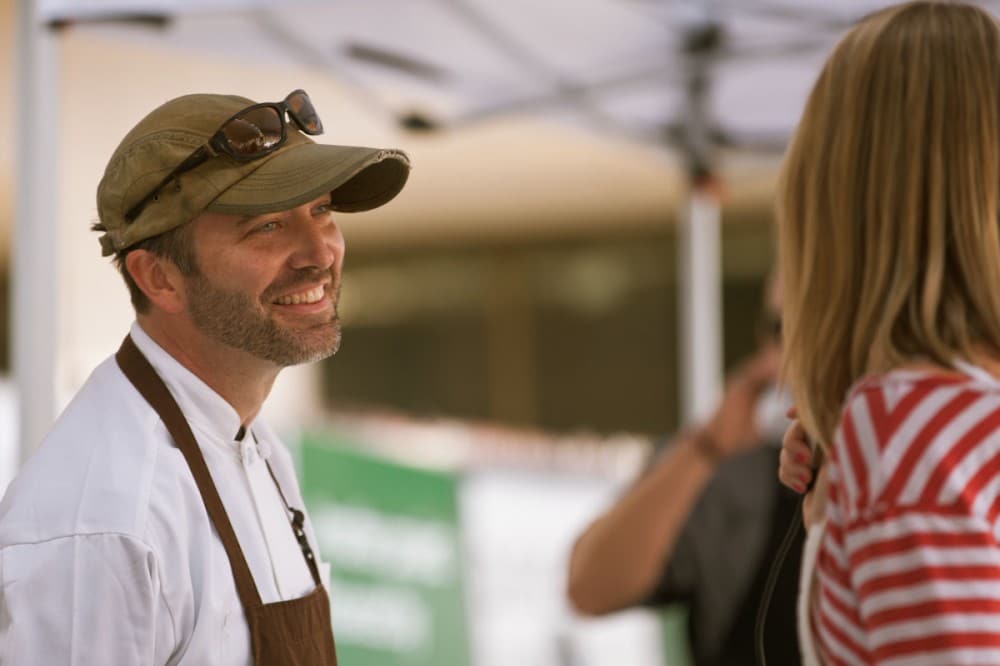
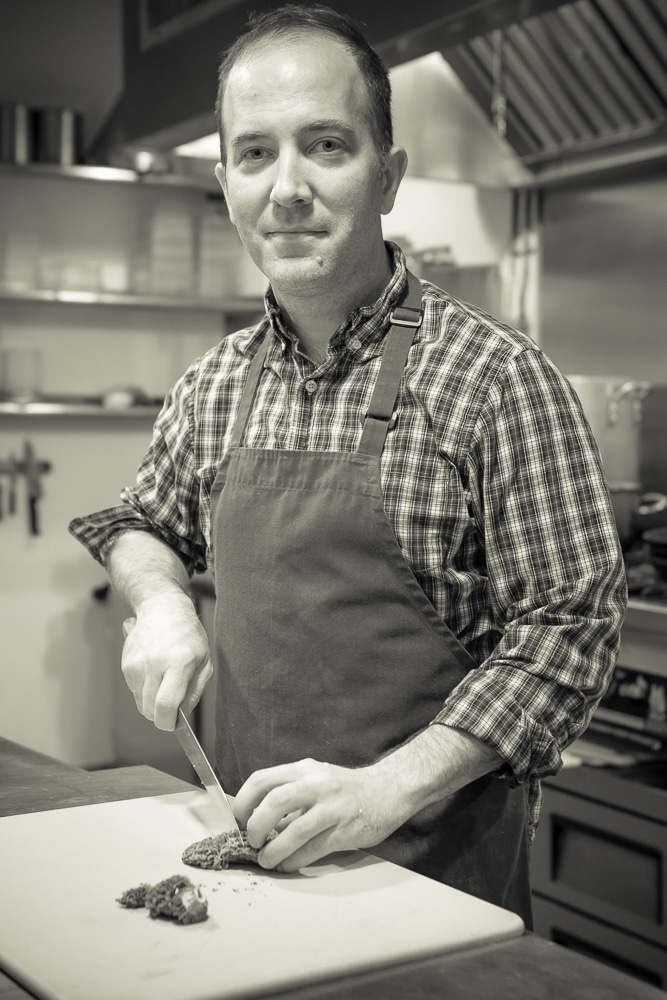
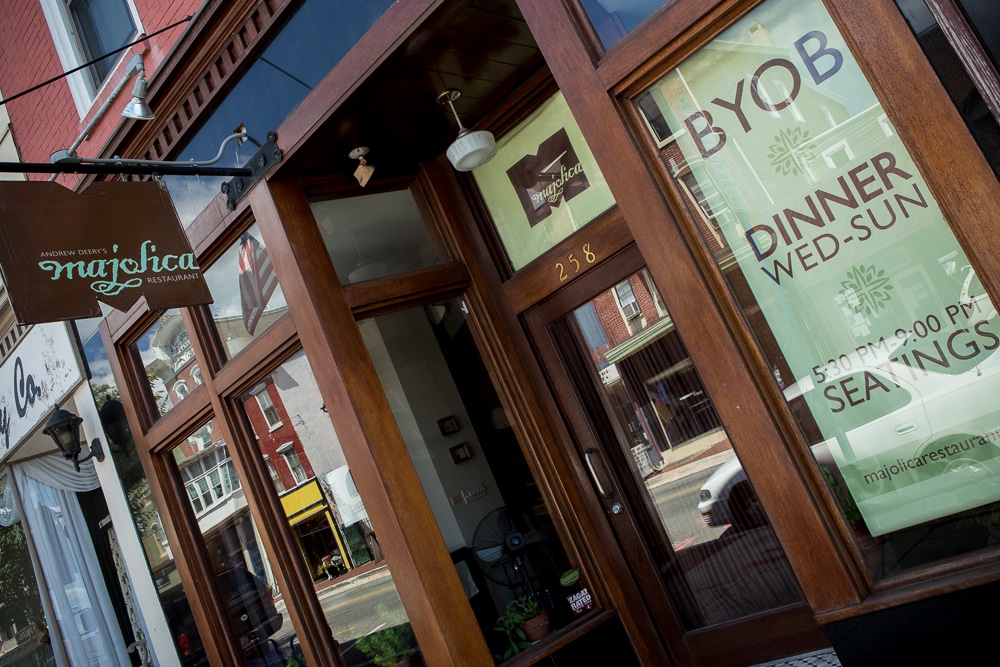
When Chef Andrew Deery of Majolica in Phoenixville talks about food, it’s a little like listening to a great musician playing a cherished piece of music, or hearing an author read her own precious words: there’s passion. Chef Deery cares about everything from how to use salt to how to entice people to try new foods. He has a genuine, sincere love for the very important and delicious tools of his chosen profession, and that clearly makes all the difference.
Learn more about what makes him tick:
1. Majolica features farm to table and locally sourced ingredients, but fess up: what’s your favorite comfort food to cook?
To cook or to eat? Many people don’t know this, but I eat a vegan diet, and have done so for the last couple of years. I did a vegetarian and vegan demo at the restaurant, and became intrigued. I committed to trying it for one month, and never went back. I lost a lot of weight and generally felt better, so I stuck with it. My favorite comfort food to eat is a staple of my diet: a big bowl of noodles. I keep long hours, and I don’t have the time or energy to whip up something particularly complex or involved. For me, it’s hand-drawn or soba noodles with a simple sauce of peanut butter, water, scallion and grated ginger.
My favorite comfort food to cook? I like to cook roast chicken. I love taking a good quality chicken and preparing it perfectly and simply. The end result is the best thing ever.
2. Yet if the end were near, what would be your last meal?
I’ve always known the answer to this question; we’ve already established that at the restaurant, and it’s called The End of the World Salad. I like simple things—simple preparations that are uncomplicated and unadorned. I’ve picked a few ingredients that marry so well that you really can’t improve on them because it’s the quality of each ingredient that’s the important key in the equation of any successful dish. When you handle them correctly and put them together with a skillful hand, it’s just delicious. So The End of the World Salad is wild arugula tossed with a fruity olive oil, fresh lemon juice and sprinkle of sea salt, topped with shaved Parmesan. Even at the end of the world, I don’t want to feel overfull and all bloated: this will keep me nice and light. We work with some great growers and suppliers like our good friends at True Leaf Microgreens. They grow with such care some really great varieties of arugula.
3. What five items are always in your home kitchen, items you couldn’t live without, and why?
-
A French press for coffee—I really enjoy a good cup of coffee. At the restaurant we use Kimberton Coffee Roasting Co. Our friends there developed the Majolica blend, and now it’s their best-selling blend. I use the French press because it delivers a fuller bodied, more aromatic and exciting cup of coffee. It’s a bit more tactile, too, because you press it yourself. There’s a bit of romance involved in it.
-
A good quality sharp knife—I wouldn’t be able to prepare food without it. A bad knife can really make the task of cutting food unpleasant and potentially unsafe. You don’t have to buy a $100 knife, but don’t use a cheap one. I have a great collection of old favorites—some were my grandparents’ knives—that are sharp as sharp can be.
-
Sparkling water—I drink it almost constantly. It’s often hot in the kitchen, so sparkling water helps me stay hydrated and cool. I absolutely prefer the bubbles over still water. And it’s neutral; it doesn’t interfere with taste, and I taste a lot of things when I’m cooking.
-
A good quality pan or cookware—this makes a difference in the preparation of food. Cheap pots and pans make it difficult to cook and can give inferior results. You don’t need a 24-piece high-end kitchen set, just one or two good pans. A must? A cast iron pan, something nice and sturdy. I’d have a hard time doing without it.
-
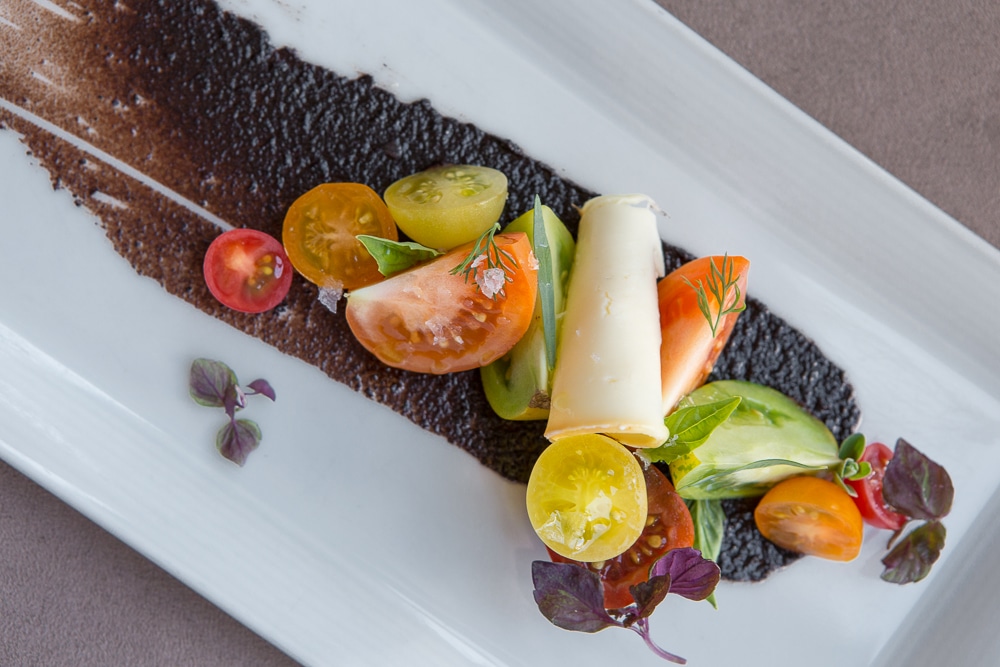
Salt—I’ve got a “salt tooth,” for sure. I like fleur de sel, and I tell people not to use too much but to artfully use it to adjust the seasoning, which is critically important. Rarely do foods come out of the pan perfectly seasoned. Rarely is any dish hurt by a small pinch of salt. Try a fresh tomato, fresh basil and a pinch of salt. Perfect.
4. If you could have a meal with any other chef, who would it be and why?
That’s a real head scratcher: I have bookshelves dedicated to cookbooks, which I devour like food. This is like asking someone to pick a favorite child! I can’t pick one. There’s Thomas Keller of The French Laundry in Yountville (California) and Per Se in New York City. He basically revolutionized food in America. I had the opportunity to be in the Napa Valley and The French Laundry was a pilgrimage of sorts. Then Eric Ripert of Le Bernardin in New York City and Blue in Grand Cayman. I was on vacation last January—the first one I’d taken in years—and visited that restaurant in the Caymans. Amazing. There’s Jean-Georges Vongerichten, Daniel Boulud … these people are so great with their own styles and success stories. On a smaller scale, I’d love to talk to anyone about food. If they’re passionate, if they have their own stories, then I’d love to have the conversation.
5. Tell me one thing that makes Majolica different and unique?
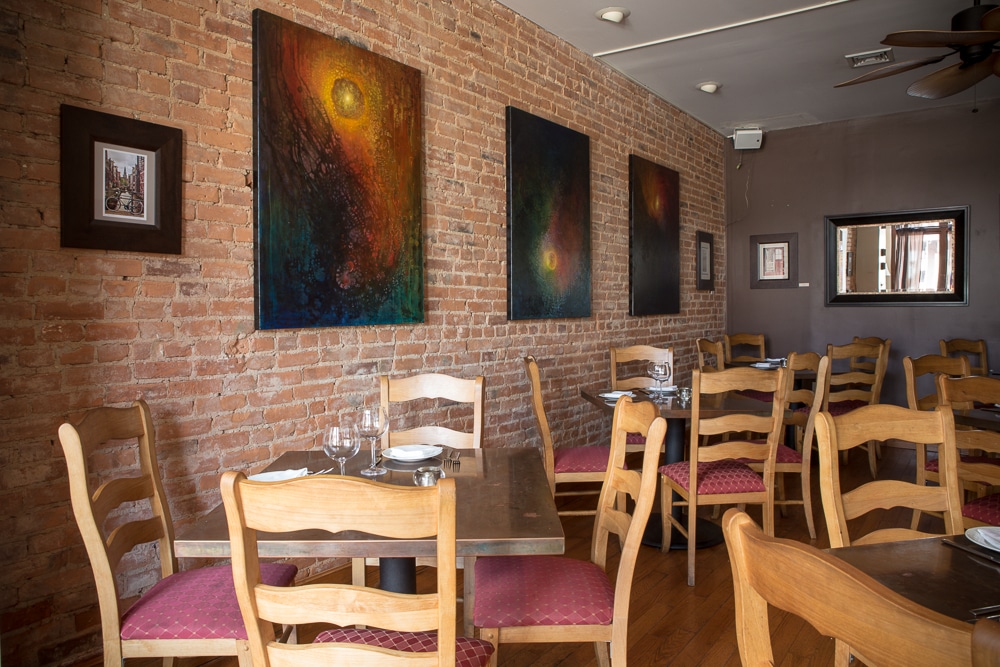
The restaurant itself is unique because of its small size. I’m not just cooking food, I do a bit of everything: I answer the phones, make reservations, sometimes I also run the food. I’m cooking specially for each guest, not just turning food out. Every table is individual and different for me. I can see some tables from the kitchen; there’s that connectivity to each table. If a table gets a tasting menu, then everything is individually made for them. There’s no pre-set tasting menu: I take into consideration likes, allergies and aversions, everything they can tell me so I can craft the menu accordingly. I try to get a read on them: Are they really hungry? Do they want to try different foods? What’s their level of adventure? There’s a real relationship to my guests and, sometimes, between guests. People might sit at adjoining tables and start a conversation, and then pull their tables together. Or they meet at the restaurant; so many people have met there and forged friendships. The common thing is the restaurant and the love of food.
I would love to get rid of the a la carte menu and just do it like you’ve come to my house. Maybe one day. And there’s always more with the tasting menu than the number of courses. There’s an amuse bouche, an intermezzo and I usually throw in something else to keep it fun. I like to keep feeding you! Not to feel full or overfull, which can create guilt. It’s more of an opportunity for diners to try something they haven’t tried before, to recognize a new flavor, to experiment if they’re willing. So many adults have never eaten an oyster—when I discover something like that, then it’s on me because I just want you to try it. If you don’t like it, at least you tried. Then I know I’ve done my job.
Majolica is located at 258 Bridge Street in Phoenixville; phone: (610) 917-0962.
Outdoor photo of Chef Deery: credit Gary Colyer. Other photos credit to Nina Lea Photography.