As an endurance athlete, I’ve learned the hard way that finding the perfect balance of food to fuel your body can be tricky. Whether running a half marathon or cycling long distances, there are recommended ways to sustain your stamina. To carb load or not to carb load? What’s the best bet to maximize performance?
To find out, I went straight to an expert for answers. Dr. Christine Karpinski is a Board-Certified Specialist in Sports Dietetics and Assistant Professor for West Chester University’s Department of Nutrition.
But first, what defines a carbohydrate?
To Carb Load or Not to Carb Load?
Most runners know it’s important to fuel their bodies the night before a race, but is eating a pound of pasta or a mound of mashed potatoes the best choice for everyone?
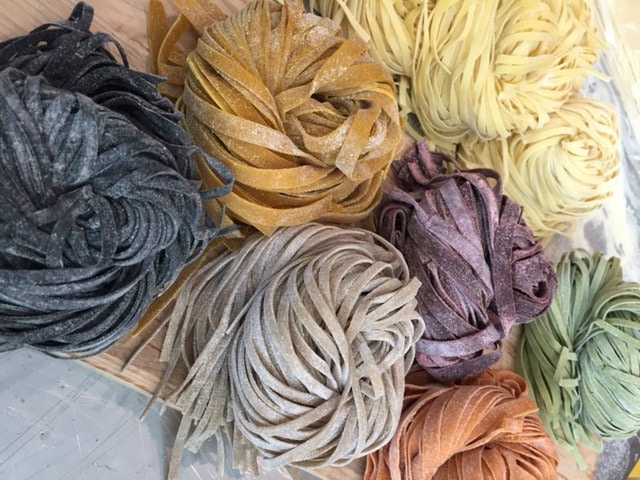
“If the event lasts less than two hours, you don’t have to worry about carb loading,” said Dr. Karpinksi. “If you’re preparing for a full marathon or triathlon, increase your carb intake to 75% of your diet. For most people, 55–60% is normal. Start tapering the week before the race to build up glycogen stores, which supersaturate your muscles. You may gain a pound or two from holding onto the water, but remember it’s temporary.”
What’s on the Menu?
Okay, eat more carbs, right? We may immediately run to our favorite Italian restaurant and order a second basket of bread before tackling the huge plate of spaghetti. Dr. Karpinski says although pasta is of course chock-full of carbs, there are other sources we just may not think about.
“Carbohydrates also come from vegetables, fruit and milk, which have natural, inherent sugar. Your body processes them differently than added sugar,” says Dr. Karpinski.
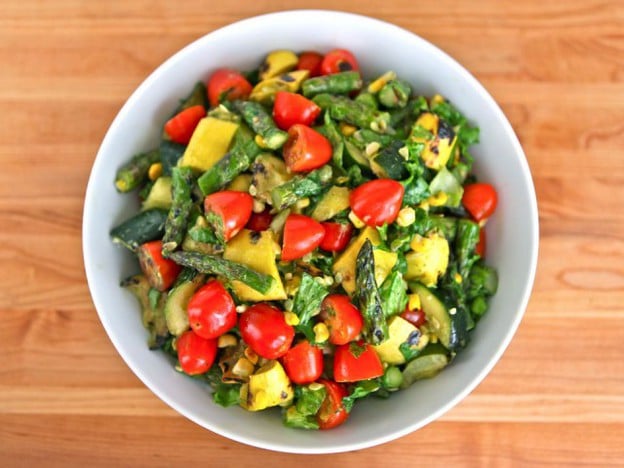
Yogurt or whole grains such as quinoa or amaranth (Haven’t heard of ‘em? Try ‘em!) have recently become popular on the carb scene.
Why Carb Up?
“Carbs are your primary fuel source during exercise and create the energy you exert,” said Dr. Karpinski. “They are a quick source of fuel that your body wants to use. If you don’t have an adequate amount, your body looks for fat as a source of fuel, which uses more oxygen and forces your body to work harder.”
Race Anticipation
Dr. Karpinski’s rule of thumb is: “Don’t go in empty. Have a high-carb diet the night before so that you’re full of adequate carbs and calories, but your stomach isn’t upset.”
The Morning Of
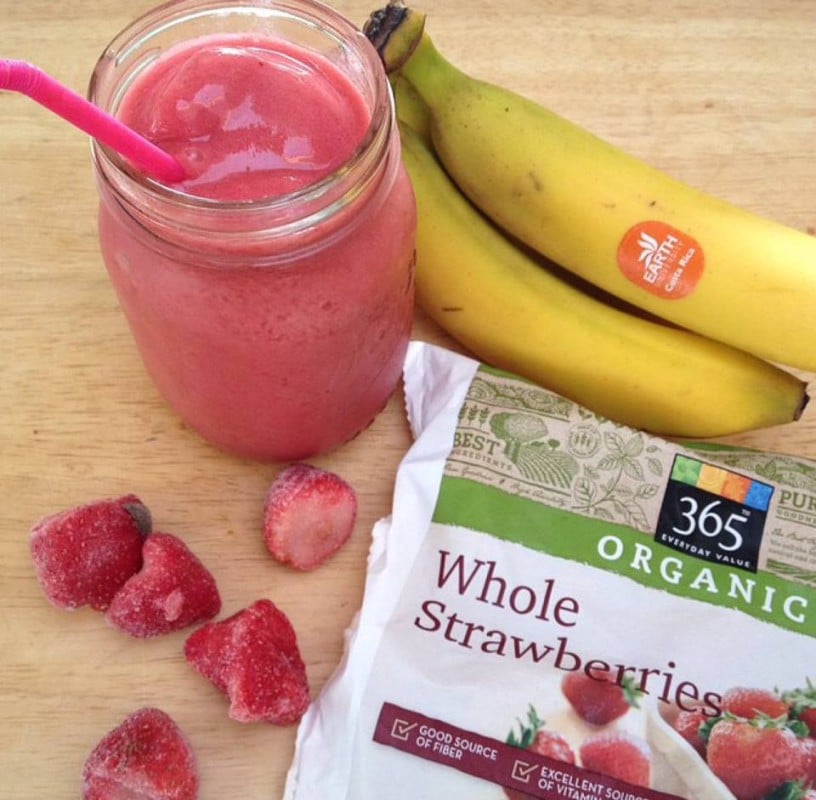
“Three to four hours before your last meal prior to a race, don’t eat anything too out-of-the-ordinary. Have a well-balanced snack or meal—mostly carbs, a little protein and a little fat,” she said. “If it’s an early morning run, I recommend one to two hours before that you eat light. Have some fruit, a smoothie, yogurt, even a sports drink.”
You Are What You Drink
There’s much debate about the almighty sports drink. Is it just a commercial gimmick, or will it truly help you bounce back from high exertion?
“Sports drinks are used for a specific reason,” said Dr. Karpinski. “The carbohydrates in a sports drink are great for before and after a rigorous workout. You should have 30–60 grams after the first hour to replace your electrolytes, carbs and rehydrate.”
H2O, My Hero?
“The old standby is eight eight-ounce glasses of water for every 2,000 calories you burn,” she said. “Each individual is different. Athletes need to replace that bare minimum, so weigh yourself before and after you work out. For every pound you lose, drink two to three extra cups of water.”
Dr. Karpinksi added that you shouldn’t just hydrate immediately before or after your event, but should also drink fluids throughout the week.

Energy Bars
For endurance athletes, having a tummy that sloshes around isn’t ideal. We’ve heard about the gels, goos, beans, bars and anything else to keep us going during the long haul. Here’s the rub: your digestive system takes a while to absorb those products, so you need to wash them down with plenty of water anyway. That said, Dr. Karpinski said to hold them for your post-workout celebration.
See you on the road!
- Pasta photo credit: Char Nolan
- Vegetable photo credit: ToriAvey.com
- Smoothie photo credit: Whole Foods Market Devon