If the idea of pulling the perfect, dusty old bottle of wine from the cellar for a special occasion feels more romantic than realistic, you’re not alone. Wine collecting and cellaring are niche hobbies that often require significant time, money and space, all of which may feel a bit out of reach. However, there are ways to go about wine collecting, aging and drinking that allow nearly any wine enthusiast to enjoy them.
We spoke with molecular biologist-turned-sommelier and wine educator, Arindam Basu, who shared guidance for consumers interested in starting or enhancing their wine collections. He holds a level four diploma from the Wine & Spirit Education Trust and gained industry experience at Penns Woods Winery in Chadds Ford and City Winery in Philadelphia. He now operates his own wine business, Perfect Pour Experience.
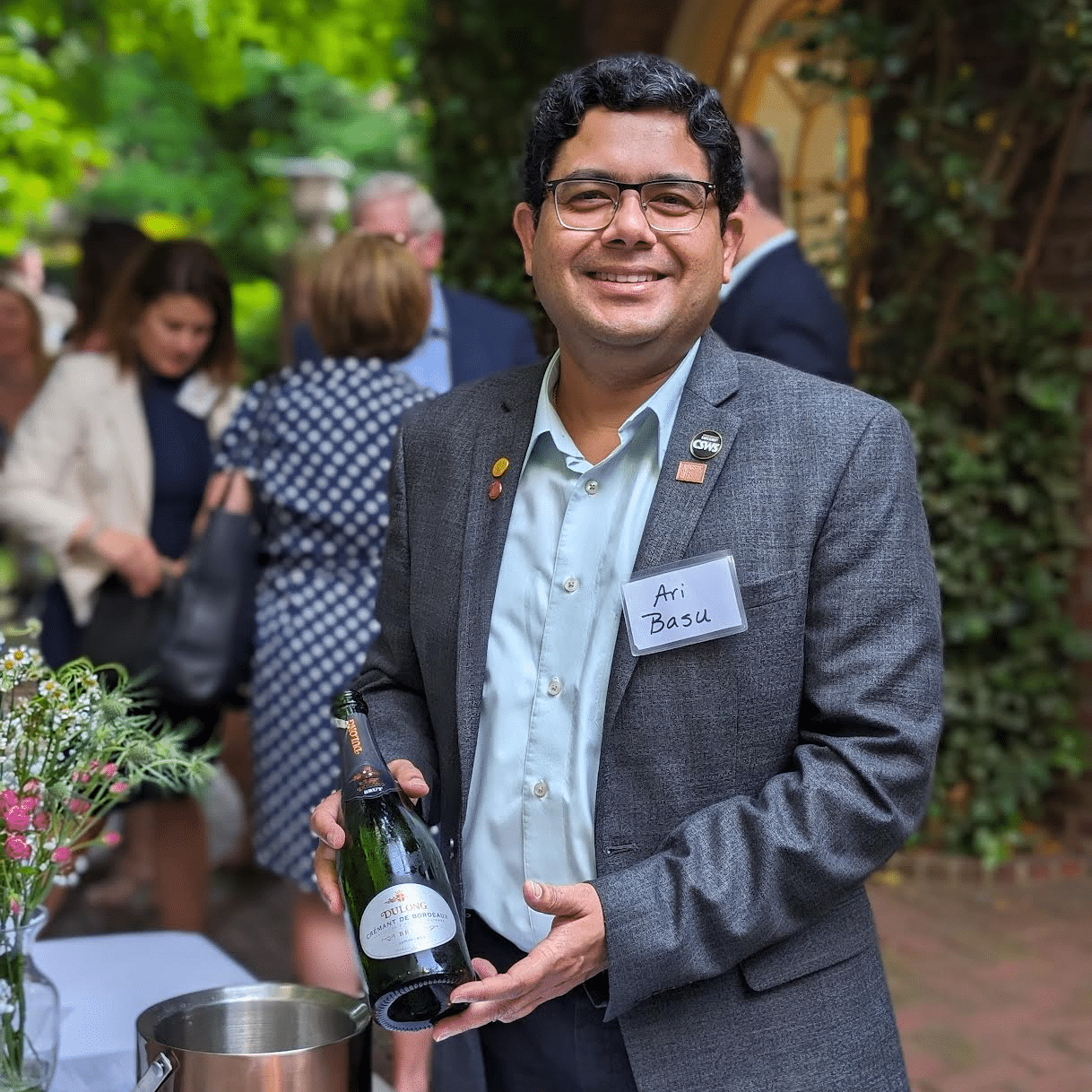
Arindam Basu
Zach Waltz of Waltz Vineyards Estate Winery also weighed in with insight about barrel and bottle aging and shared how Waltz designs its production and events to connect consumers with a variety of well-aged vintages.
Aging Like Fine Wine
Fine wines improve with age, increasing in quality and value year over year. Chemical transformations like polymerization (the linking of molecules) and esterification (the formation of fruity ester and water) slowly enhance wines over time, adding to their appeal.
Waltz says, “I think the most noticeable impact of aging is the tannin structure gets super smooth and silky, so it’s easy to drink and not off-putting in any way. You can appreciate those wines on their own, without any food. And the complexity of the flavors really evolves every year. In the first few years, red wines are very fruit-forward with lots of jam character and strawberry. Then, as the wines age, they take on many more complex flavors, typically from the barrel, that start to shine. As the fruit dissipates, you start to get this arrival of flavors like spices, cocoa, tobacco and leather.”
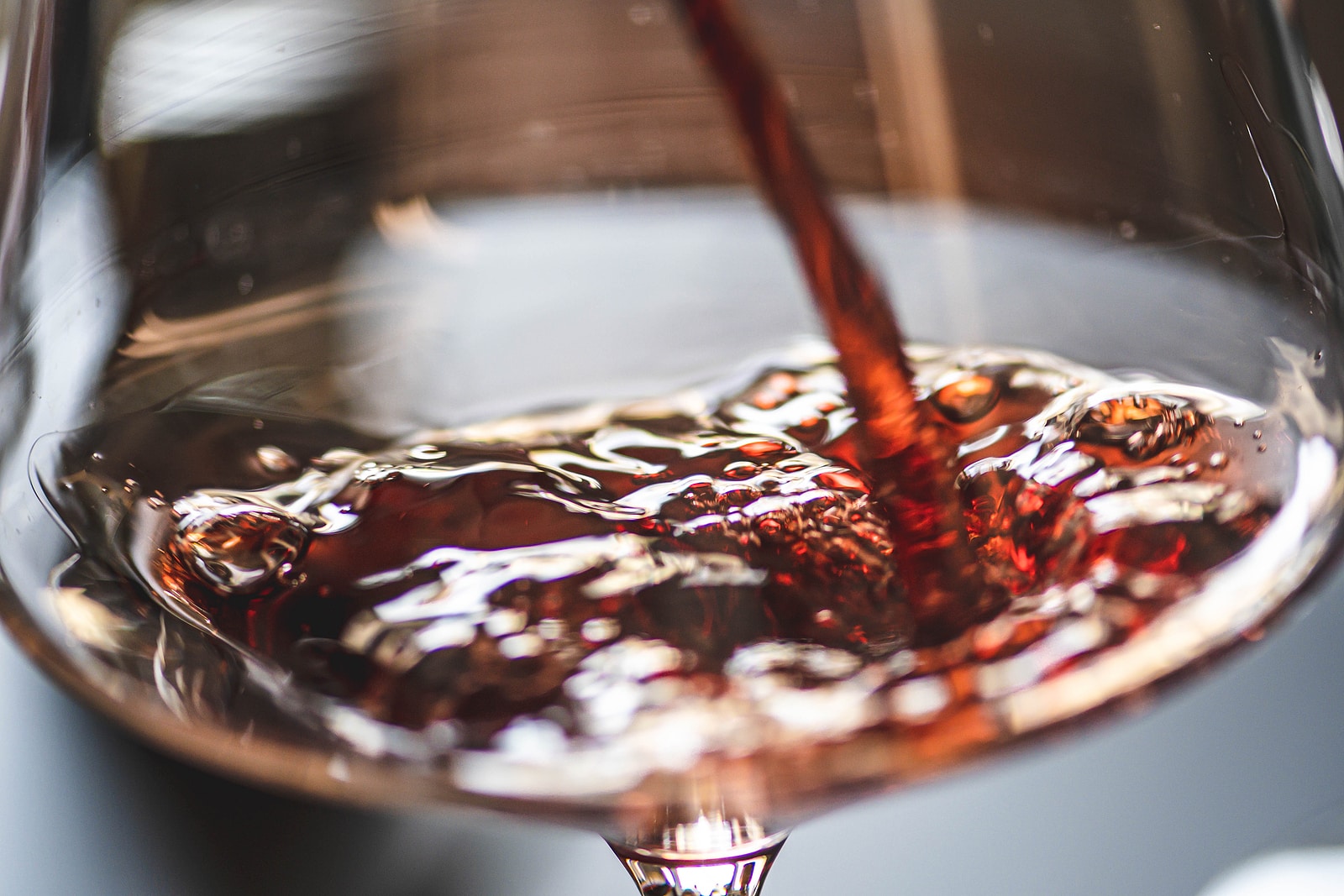
Barrel aging prepares the wine for bottle aging by softening it, creating complexity and evolving its flavors. Waltz Vineyards ages red wines like Merlot and Cabernet Sauvignon and white wines like Chardonnay for two or three years in French oak. “East Coast wines are more delicate and American oak can be very overpowering,” Waltz says. “French oak tends to create a softer palate, tones down the tannins and helps with longevity and building structure in the wine.”
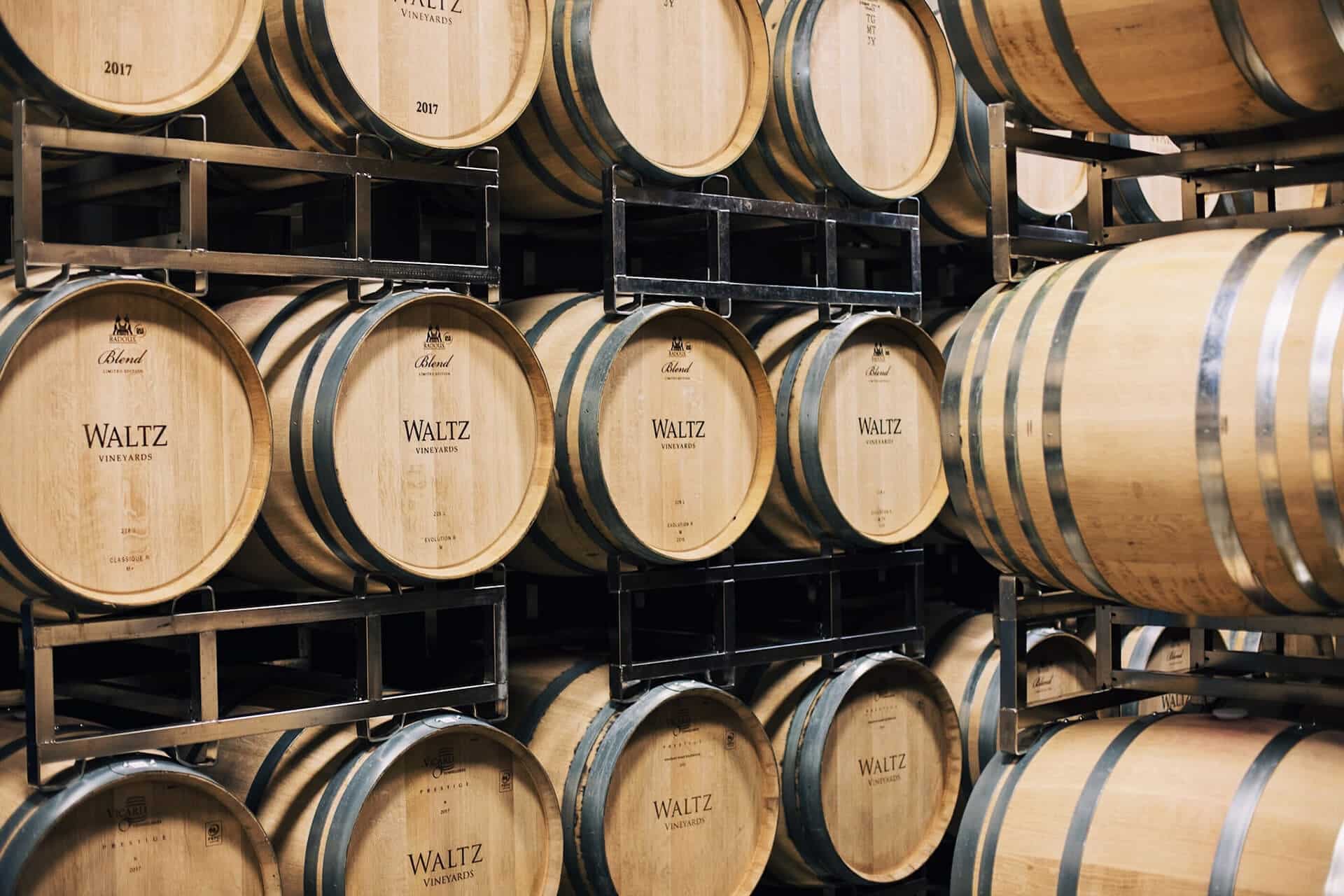
Not all wines are suited for aging. “It really depends on the harvest, not so much the grape variety,” says Waltz. “If the vintage is not optimal, it’s probably not a wine to age for a long time because it won’t have the structure to support it. But, if you have a very ripe fruit, very clean with no rot and a great harvest, those wines can age a very long time without risk of spoilage.”
After barrel aging, Waltz Vineyards ages its wines in the bottle for a minimum of six months, and frequently longer. Its Greenside Reserve aged for over six years and was a huge hit. “People really appreciate an aged product, but may not have the cellar space. We’re kind of doing that work for them,” Waltz says.
Finding Cellar-Worthy Wines
One reason that people don’t cellar wines could be that cellar-worthy wines are not readily available. As Basu told us, “Most of the wines on the shelf at the wine and spirit stores are drink-now wines.” In fact, somewhere upwards of 95% of wines are meant for immediate consumption and will not improve with age. This leaves a relatively scarce number of collectible wines. “You have to dig a little,” says Basu.
If you’re a beginner, Basu says to start with what you know and enjoy. Do a little research into how your favorite wines are made and whether they’re suitable for cellaring. Then, give it a try! “In a few years, when you drink some of the wines you’ve collected, you’ll know where they stand. That will give you confidence and information about what you need to tweak or change,” he says.
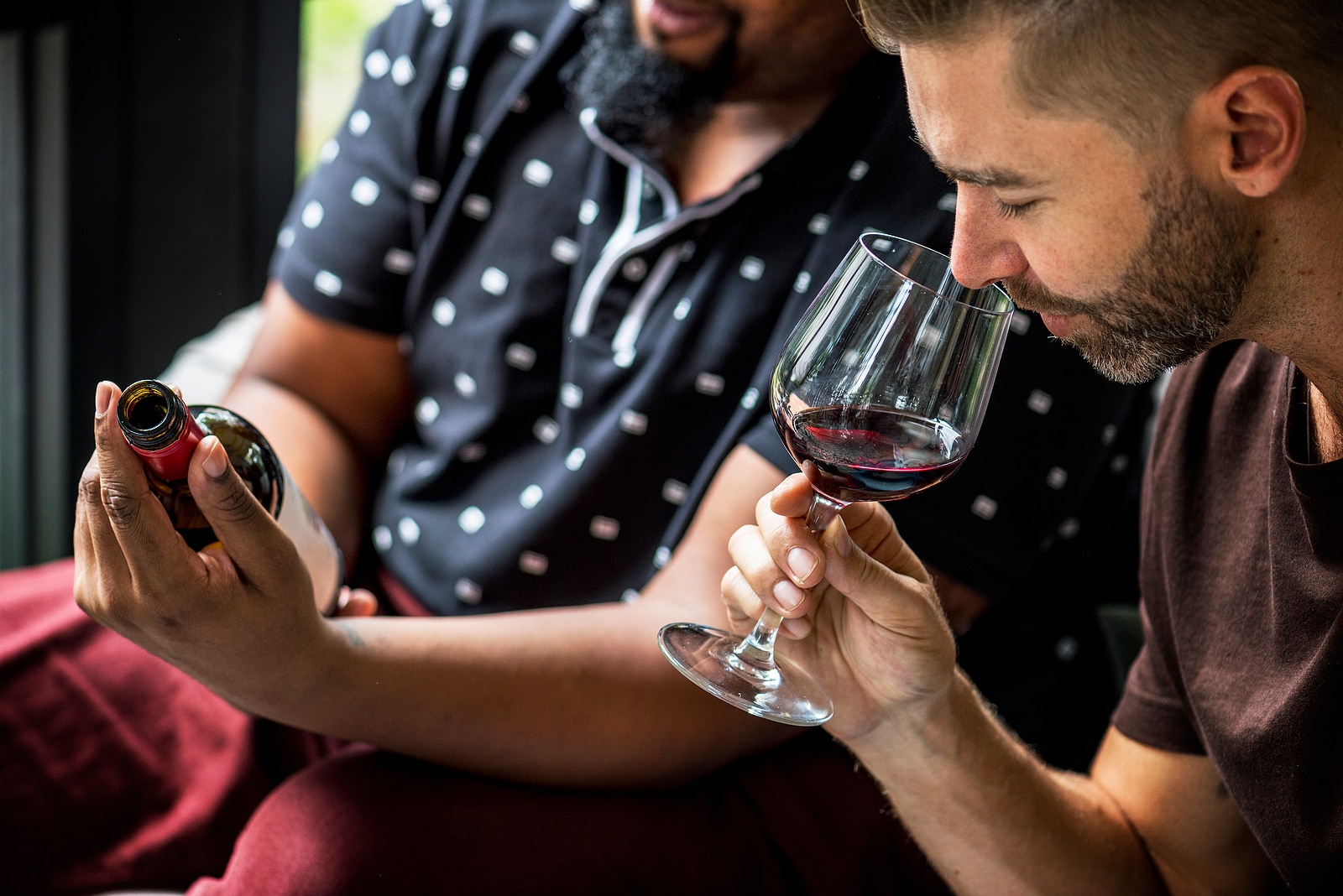
Both Basu and Waltz strongly suggest getting to know individual producers. “Once you get to know a winery with a few visits, you can really understand if their wines have that aging potential or not,” says Waltz. Wine clubs are fantastic forums for familiarizing yourself with winemakers and their portfolios. In particular, wineries offering vertical tastings allow you to sample across vintages, contrasting the different years and the effects of aging on the wines’ character. A more spendy method is buying wine by cases of six or more bottles, opening them over time to see how they’re progressing, and then enjoying the remaining bottles with friends once they’ve peaked.
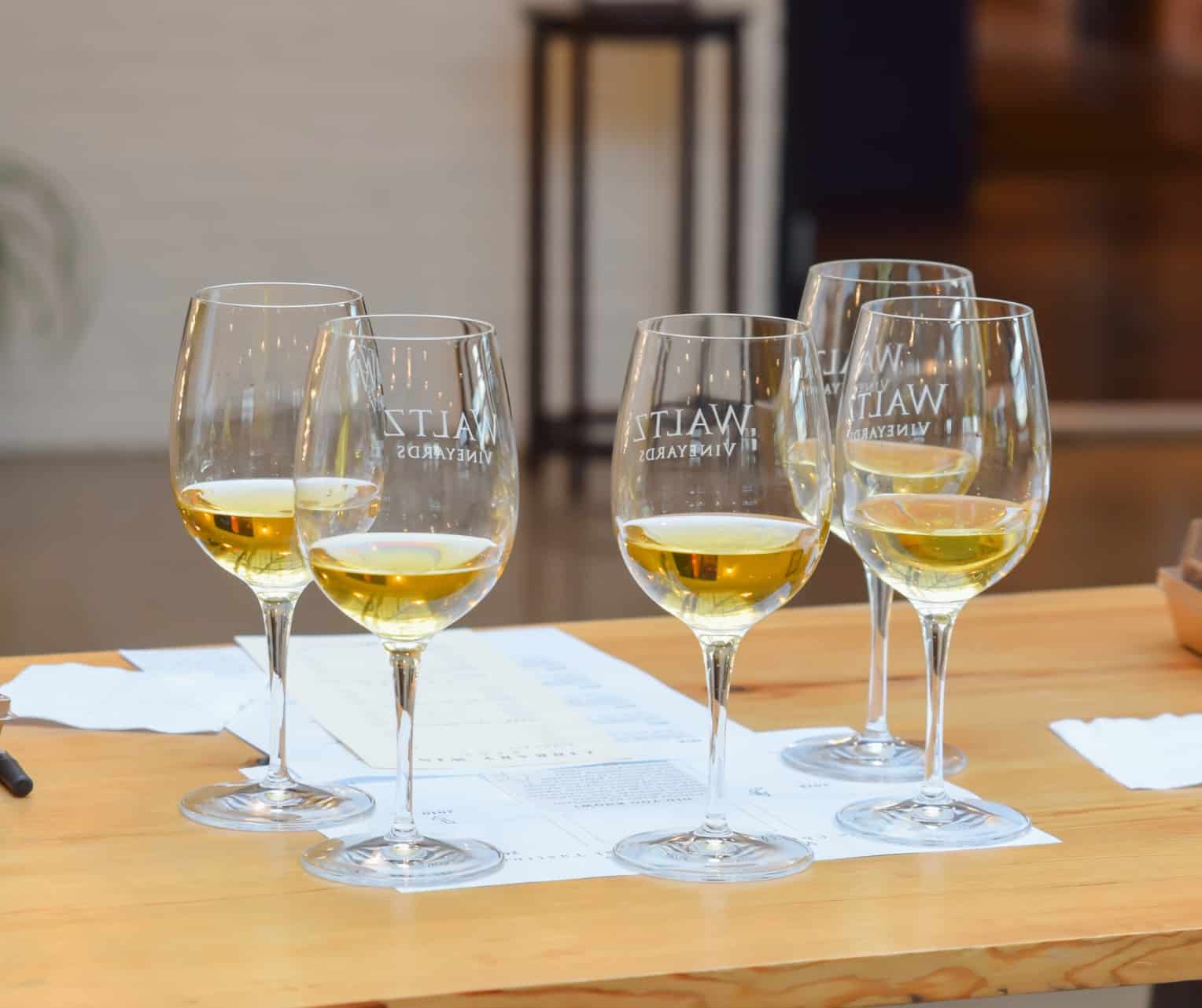
A vertical Reserve Chardonnay tasting at Waltz Vineyards
You can also utilize wine scores for general guidance, especially around age-worthy vintages. Basu says, “If one vintage is 89 compared to 95 for another vintage, you know there’s a huge difference between those two.”
Wine auctions offer a wide array of age-worthy wines for those ready to dive in. Zachy’s and Acker offer both online and traditional auctions, with Zachy’s closest site in New York, NY and Acker’s in Newark, DE. Wine-Searcher is another fantastic tool, allowing you to search for a particular wine (including many PA-made wines), filter by vintage and find local shops that carry it – with the prices listed.
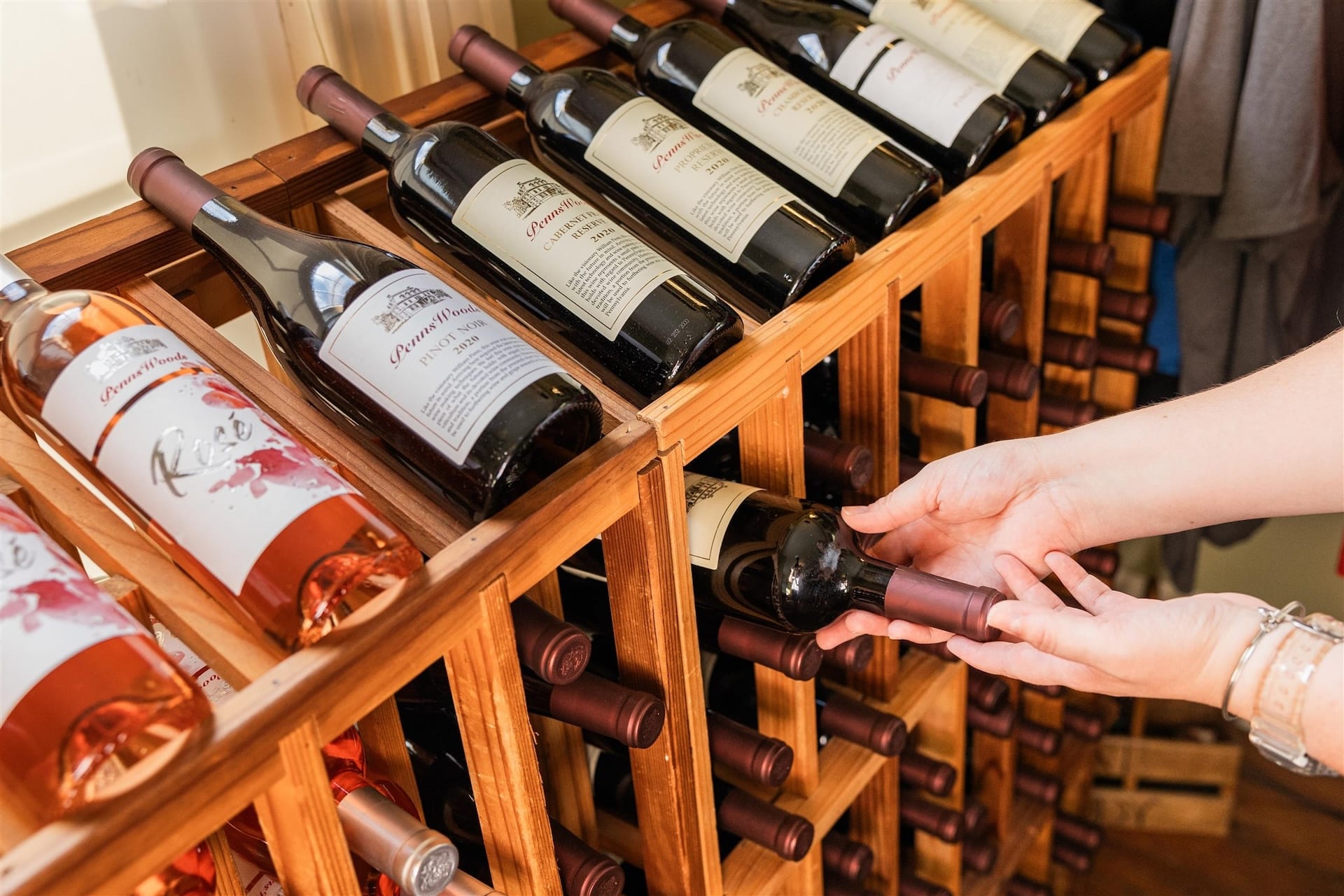
Basu offers a few starting points for PA wine collecting, beginning with his former employer, Penns Woods. “The Pinot Noir Reserve is stellar,” he says. “Davide Creato is doing an amazing job. Their reserve vintages can go for 10-15 years, if not more.” He believes the Merlot Reserve could also age about a decade, and the Chardonnay Reserve about three to five years.
Basu also suggests the wines of Va La Vineyards in Avondale, including La Prima Donna, an amber field blend, and Old World-style Parchment, not currently available ( but keep an eye out). Basu cellared it, “because it has so much potential to age, if I can restrain myself.” He makes an annual trip to Va La Vineyards for its wine releases, trying a variety of selections.
Wherever you’re located, we suggest starting small, doing a bit of research and getting to know your local wine producers.
Cellaring & Enjoying Aged Wine
You’ve shopped around, found some age-worthy wines and made a few investments…Now what? Cellaring wine is relatively simple, once a few important elements are in place.
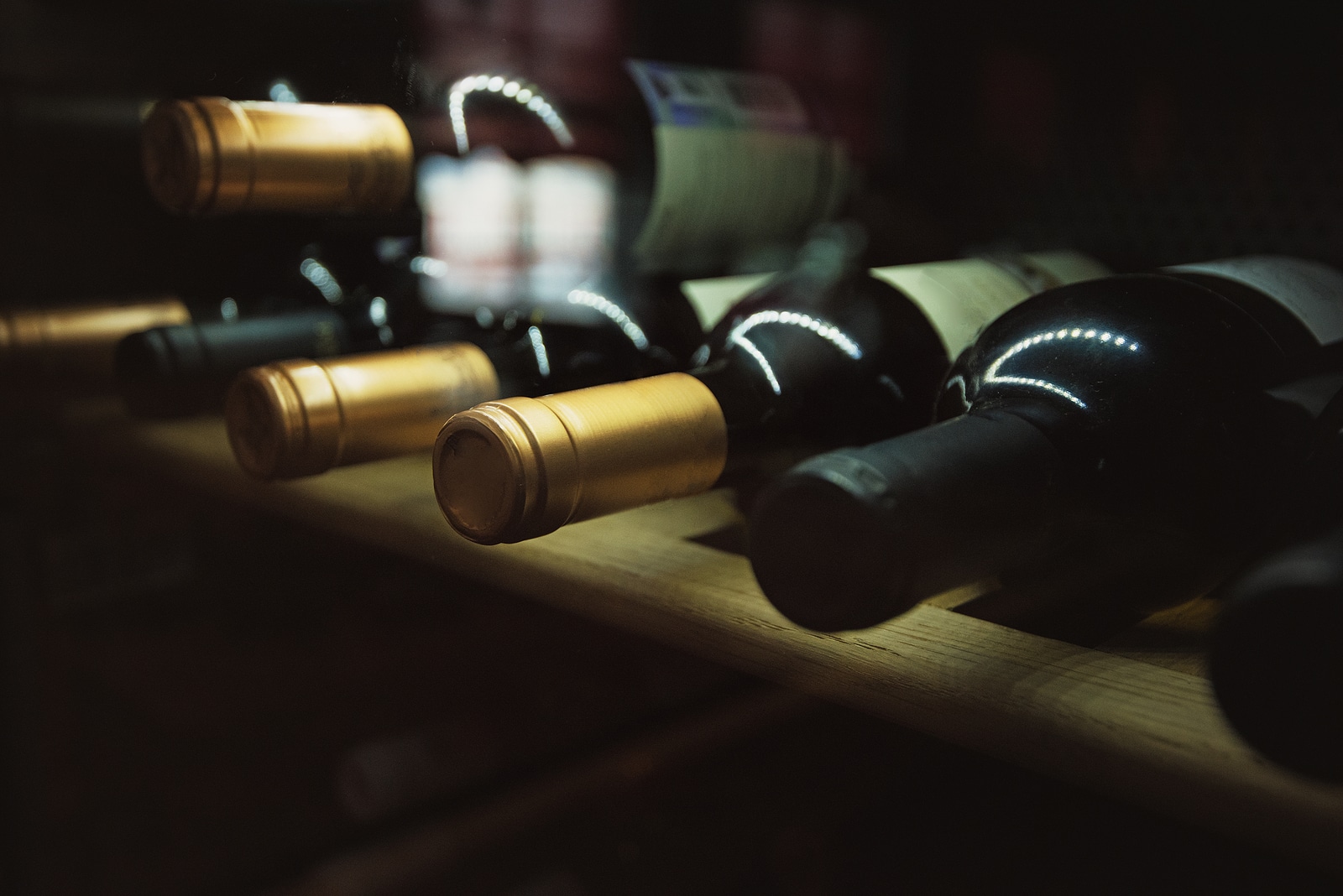
“First and foremost,” says Basu, “aging should be in a cool space with at least 60-70% humidity. A nice, dark basement is really good.” Cool means roughly 55-60 degrees Fahrenheit with little to no temperature fluctuation, which can be quite damaging. While some people store red and white wines separately, at slightly different temperatures, Basu thinks 55 degrees Fahrenheit is fine for the entire collection. Air conditioning and wine fridges can provide essential temperature control, though they obviously add significant costs.
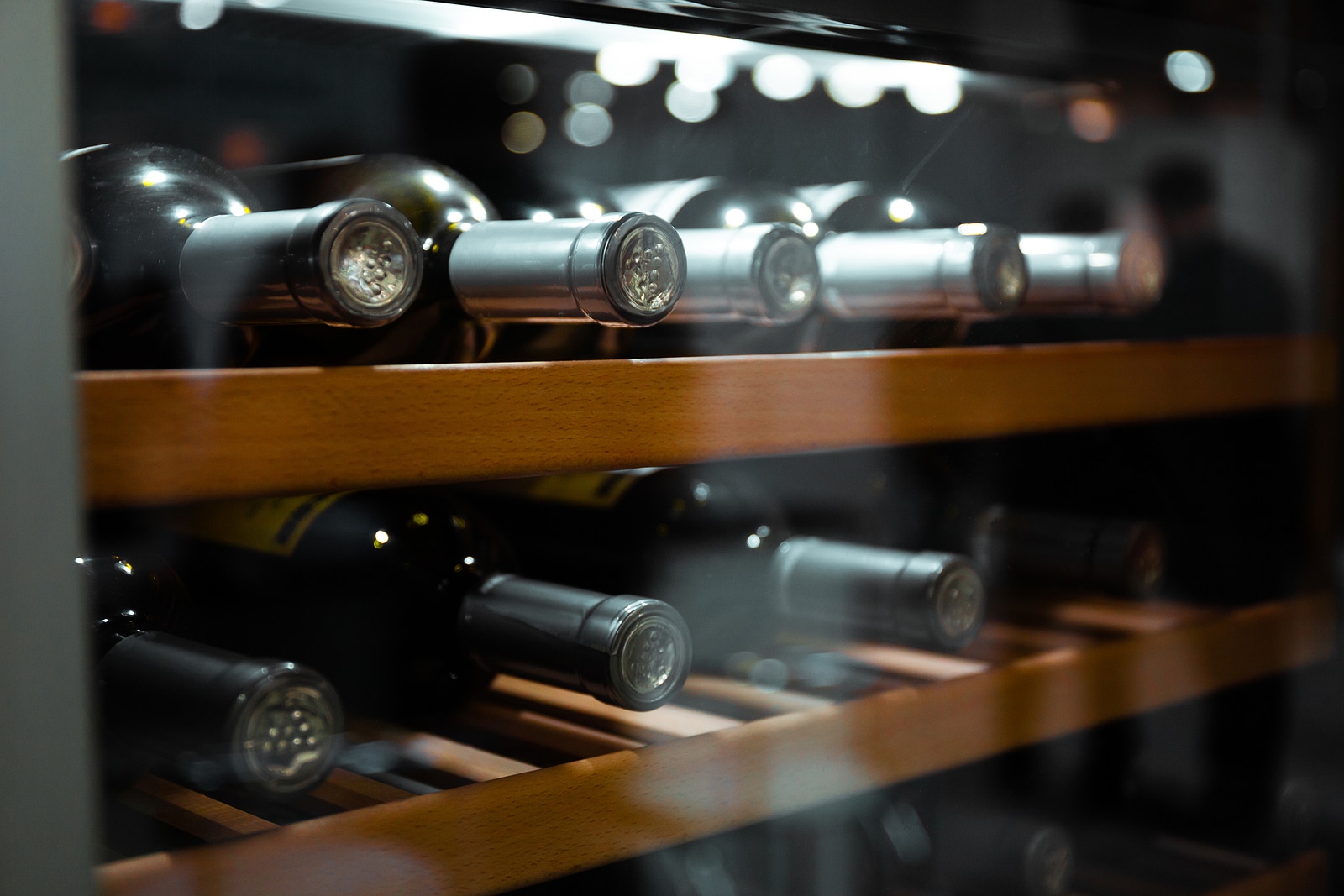
Darkness is also very important, as UV light breaks down the wine, and bottles should always be stored on their sides. “If you keep them upright, the cork is not in contact with the wine and will disintegrate over time,” says Waltz.
Some collectors choose to splurge on a EuroCave, a French-made cabinet that mimics an underground cave with full temperature, light, humidity and vibration control. “EuroCaves are a really good investment, but they’re wickedly expensive,” says Basu. They start around $2,000 and climb past $25,000.
If you have champagne taste with little-to-no cellar space, you don’t have to miss out on perfectly aged wine. In fact, a growing number of wineries offer opportunities to enjoy their aged and aging wines on-site.
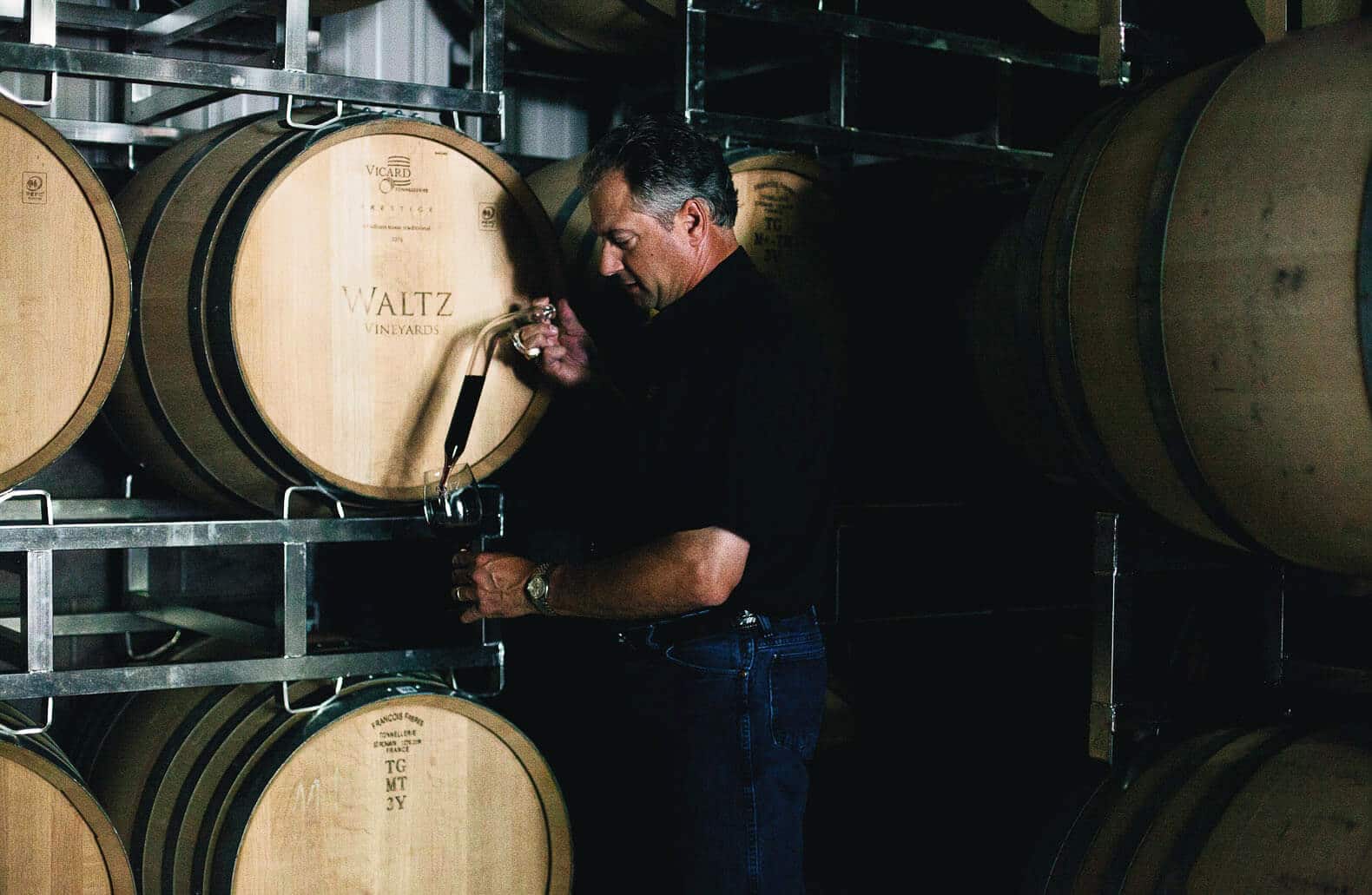
Cherry Tree Merlot from the barrel at Waltz Vineyards
Waltz Vineyards recently introduced a full menu of its library of wines, stored up to 20 years in the cellar. Visitors can choose from numerous varietals and vintages spanning the lifetime of the winery. To help orient people, Waltz Vineyards holds tastings of key vintages for people to try in addition to vertical tastings and barrel tastings. Wineries across Pennsylvania offer similar experiences, which foster trust and appreciation of the winery’s abilities and the potential of the greater industry to produce age-worthy wines.
To find a winery near you to start your collecting adventure, head to the searchable map of PA wineries on PennsylvaniaWine.com.
The PA Vines & Wines series was created in collaboration with the Pennsylvania Wine Association.
The Pennsylvania Winery Association (PWA) is a trade association that markets and advocates for the limited licensed wineries in Pennsylvania.
- Photos 2, 4, 7 and 8: Bigstock
- Photo 1: Arindam Basu
- Photos 3, 5 and 9: Watlz Vineyards & Estate Winery
- Photo 6: Penns Woods Winery