Every year, hunters across Pennsylvania quietly donate hundreds of thousands of pounds of venison to their neighbors facing hunger. It’s an astounding number made possible by an organizational apparatus called Hunters Sharing the Harvest. This PA nonprofit connects hunters to processors and processors to hunger relief agencies for a win-win solution to food insecurity in the Commonwealth.
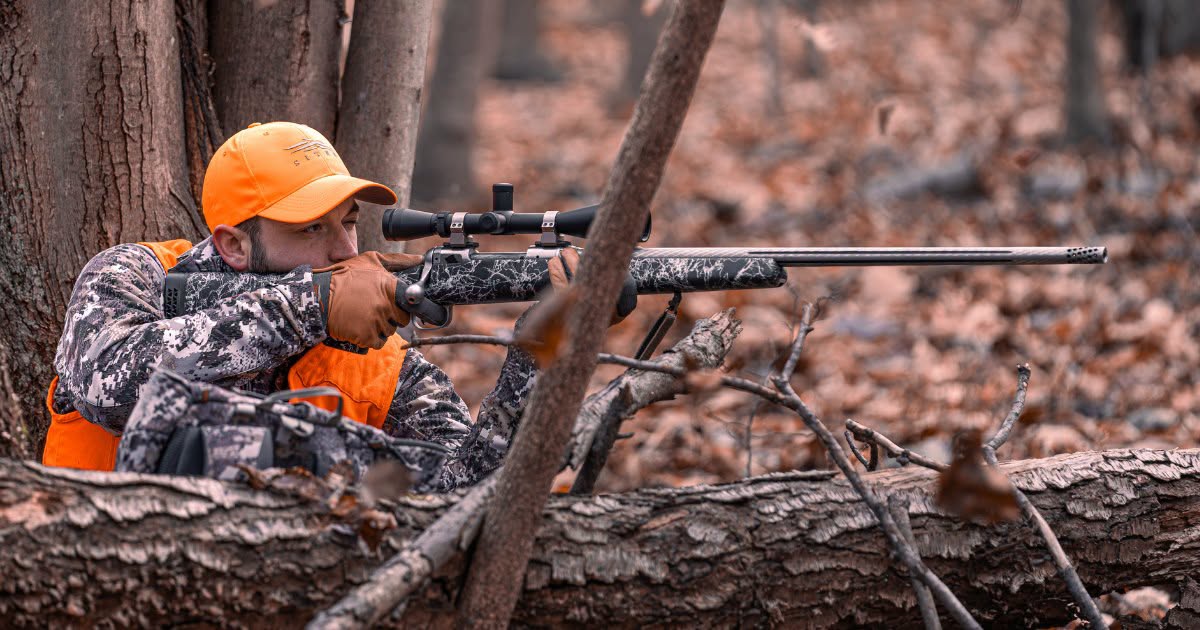
A single deer offers enough lean, high-protein meat for 200 meals. As this record-setting program continues to grow, it feeds ever more families year over year. The innovative model serves as a template for other venison and game donation programs across the country, expanding its impact exponentially further.
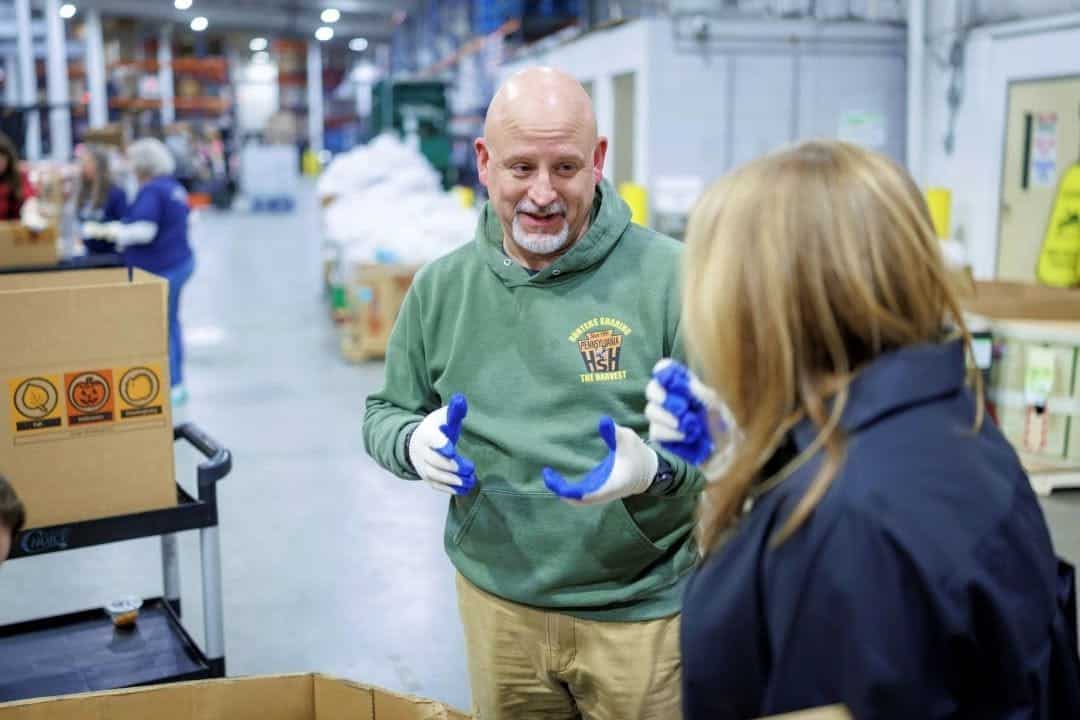
Randy Ferguson speaks with PA First Lady Lori Shapiro at Central Pennsylvania Food Ban
We spoke with Hunters Sharing the Harvest Executive Director, Randy Ferguson, about the program’s beginnings, operations and profound effect in Pennsylvania and beyond.
Editor’s note: Since publication, Ferguson has moved out of the HSH ED role.
PA Eats: Could we start with the history of the organization and how things came together?
Randy Ferguson: Absolutely. Hunters Sharing the Harvest was founded in 1991 by a couple of gentlemen by the names of John Plowman and Ken Brandt. At the time, John was an employee with the Pennsylvania Game Commission and Ken was a state representative in Dauphin County. Basically, they were trying to scale up a practice that had been happening for some time on a much smaller level. They would receive deer through game wardens throughout the state from illegal kills, mistaken kills and things like that. They knew families within the different communities they served for whom they could drop off the whole deer or the meat to feed them. It was just a good natured thing happening on a small scale. But then, they got to thinking, “Well, why couldn’t we come up with a model where the average rank and file hunter could make a similar type of decision to share their harvest with people who are less fortunate in their community?” At that time, this was a really novel idea. I don’t know that there were any other programs like ours.
They knew right from the start that if the hunter had to pay the processing fee to have the deer processed in order to donate it, that would probably be a barrier to participation. They had to figure out a nonprofit organizational structure in which, somehow, the processing costs would not fall on the hunter. But, at the same time, the processor should be getting paid for this. While they might want to help out within their communities, they are a busy bunch of people trying to make a living like so many other small, family-run operations. So John and Ken decided to put a funding mechanism in place so that those two key pieces of the puzzle could work; the hunter will be able to donate a deer without feeling like they also had to have a financial stake in that process, and the processor, themselves, would get paid or reimbursed for processing those deer. So that’s where this whole idea was born. They called the organization Hunters Sharing the Harvest and, right then and there, we became the first (to our knowledge) venison donation program in the country. Shortly after, states like Virginia and Texas had similar programs.
This program has just grown by leaps and bounds over 35 years now. It’s become the model for organizations like it, with people from other states visiting with John and Ken to learn how things are done through Hunters Sharing the Harvest. We’re proud of the fact that this movement was born here in Pennsylvania, and now there’s probably 35 – 38 states around the country that have some form of a wild game meat donation program, many of which are modeled after what we’re doing.
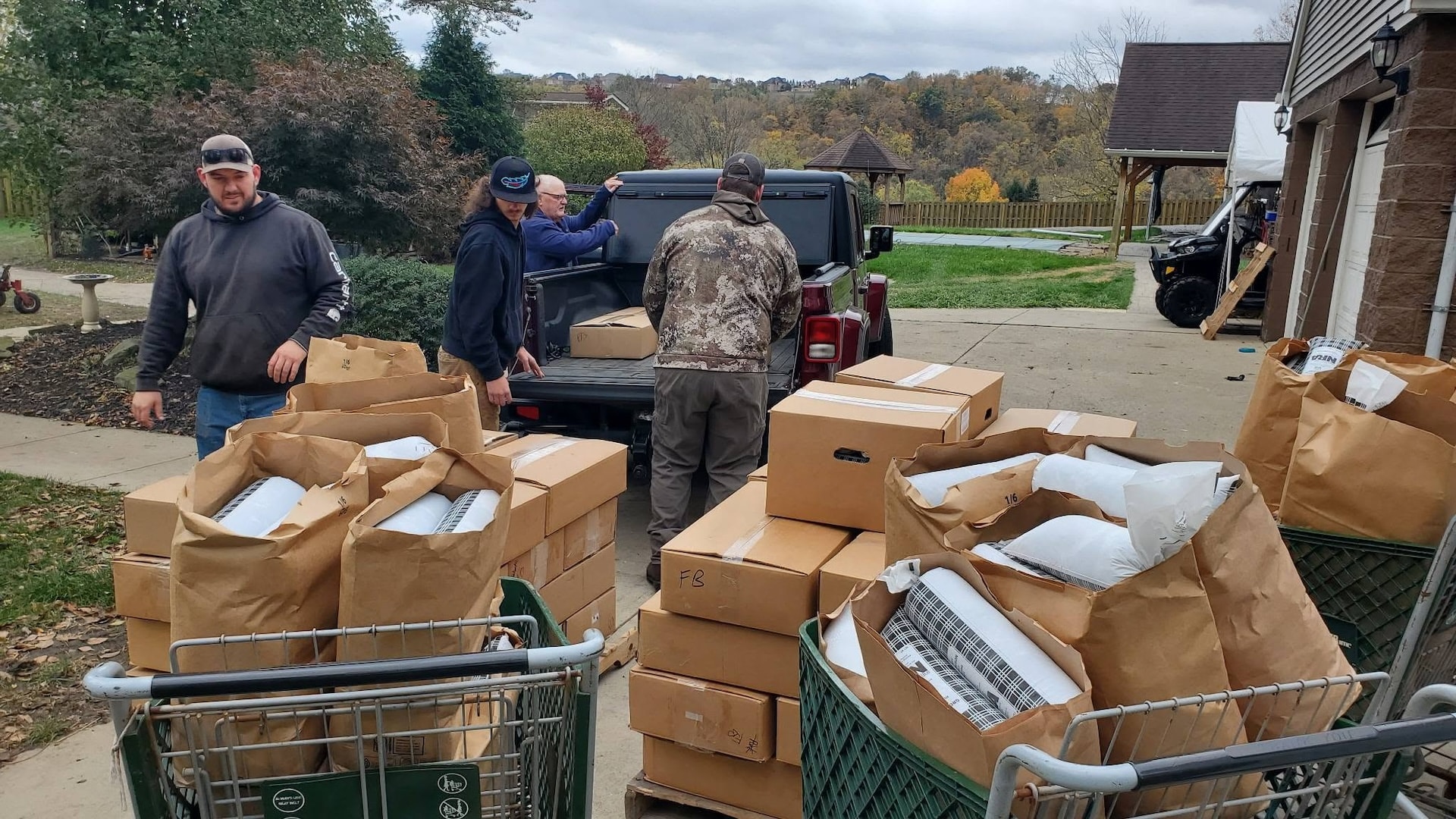
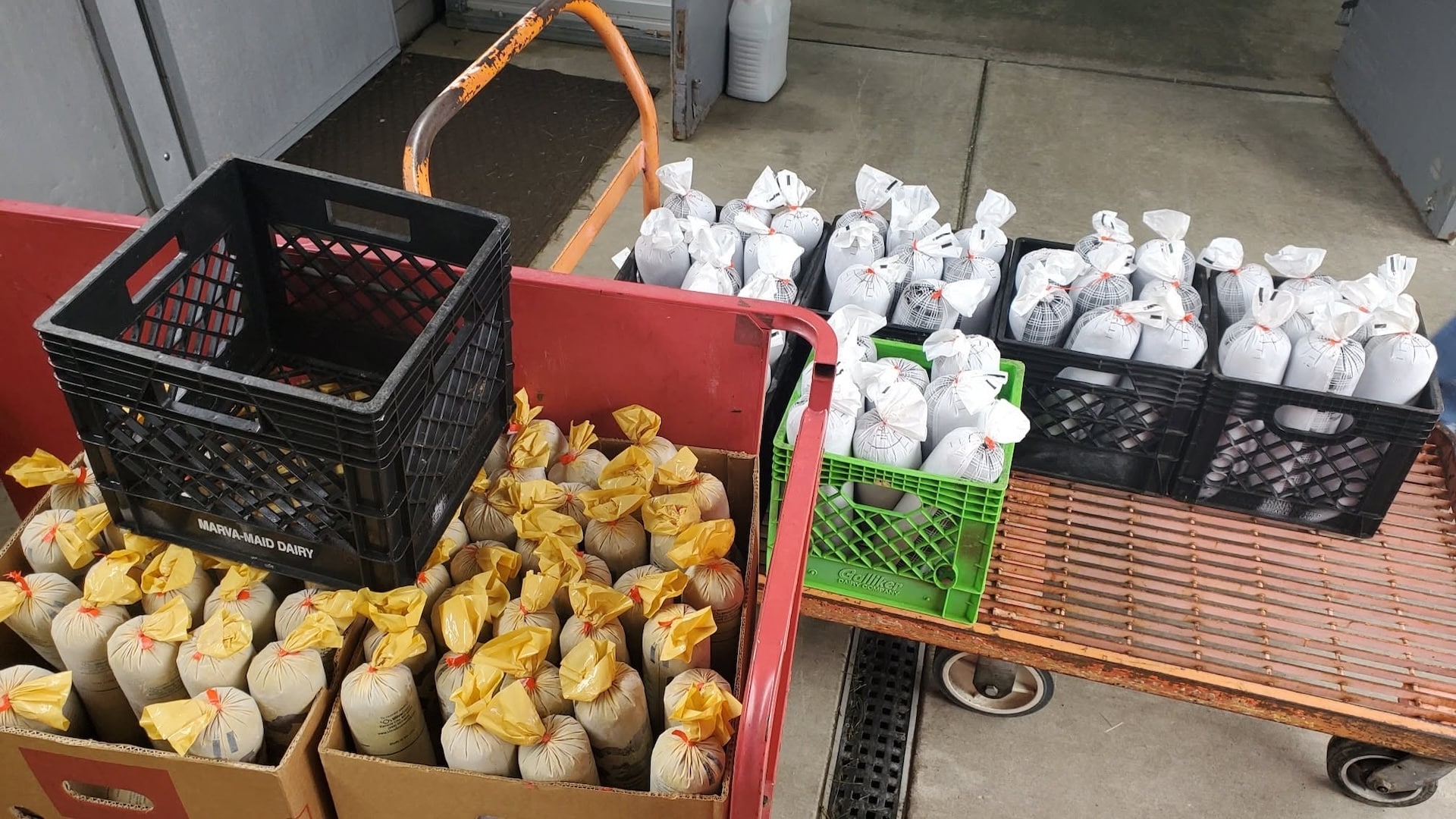
Kip’s Processing delivers over 3,000 pounds of venision in Allegheny County
From year to year, Pennsylvania hunters lead the nation in this venison donation movement. Last year, during the ’25-’26 hunting season alone, we had a new record with 294,844 pounds of venison donated around the state. We calculate the reach of our donations by a factor of four servings per pound of venison. If you figure on just shy of 300,000 pounds, that’s about 1.2 million servings of a very lean, high protein source of nourishment for families that are struggling here in the commonwealth.
How is the program funded?
We’re a standalone 501C3 organization. A lot of people are under the impression that maybe we’re a part of the Pennsylvania Game Commission or the Department of Agriculture because we have very close relationships with both of those organizations, but we are a regular, standalone charitable organization here in PA. We get our funding from charitable grants through foundations, corporate sponsors and individual donors. We also get support from the Pennsylvania Game Commission, as well as the Pennsylvania Department of Agriculture.
Historically, there’s been a lot of funding through The Emergency Food Assistance Program, better known as TEFAP, which is a federal USDA program administered through the Pennsylvania Department of Agriculture. For many years, we were the only state in the country whose department of agriculture had made the connection with the original emergency food assistance act back in the 1980s that wild game was specifically mentioned as a “commodity.” This qualifies it as a product that can be used under the act to feed people. So, for 20 years or so, they’ve been helping us out with funding through that program.
More recently, there were some budgetary dollars procured through the Farmers Market Nutrition Program in Pennsylvania that help us with our processing cost. Our largest expense is having all this venison processed into burger and packaged into one and two pound bags to be sent out to the hunger relief network. The cost keeps rising because our program gets to be better known. There are more opportunities than ever for hunters to harvest deer in PA because we have a very, very high population of deer that, in some areas, create crop damage issues for farmers, large landowners and forest landowners. Every year, it seems like there’s more people wanting to donate deer, which is a fantastic situation for us. But it means needing more funds to keep up with and sustain our growth trajectory.
Can you tell us about the hunting seasons and opportunities in Pennsylvania?
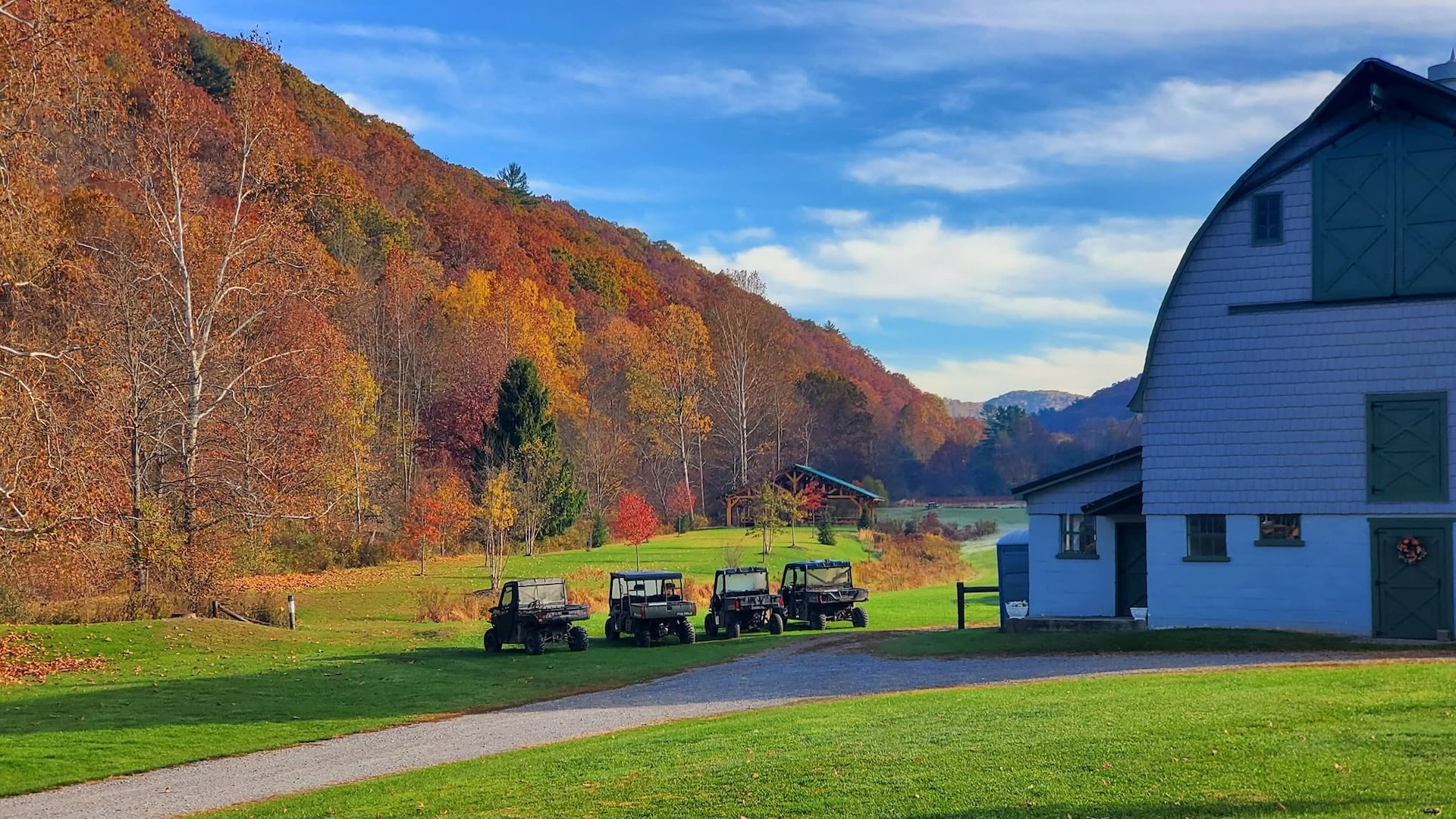
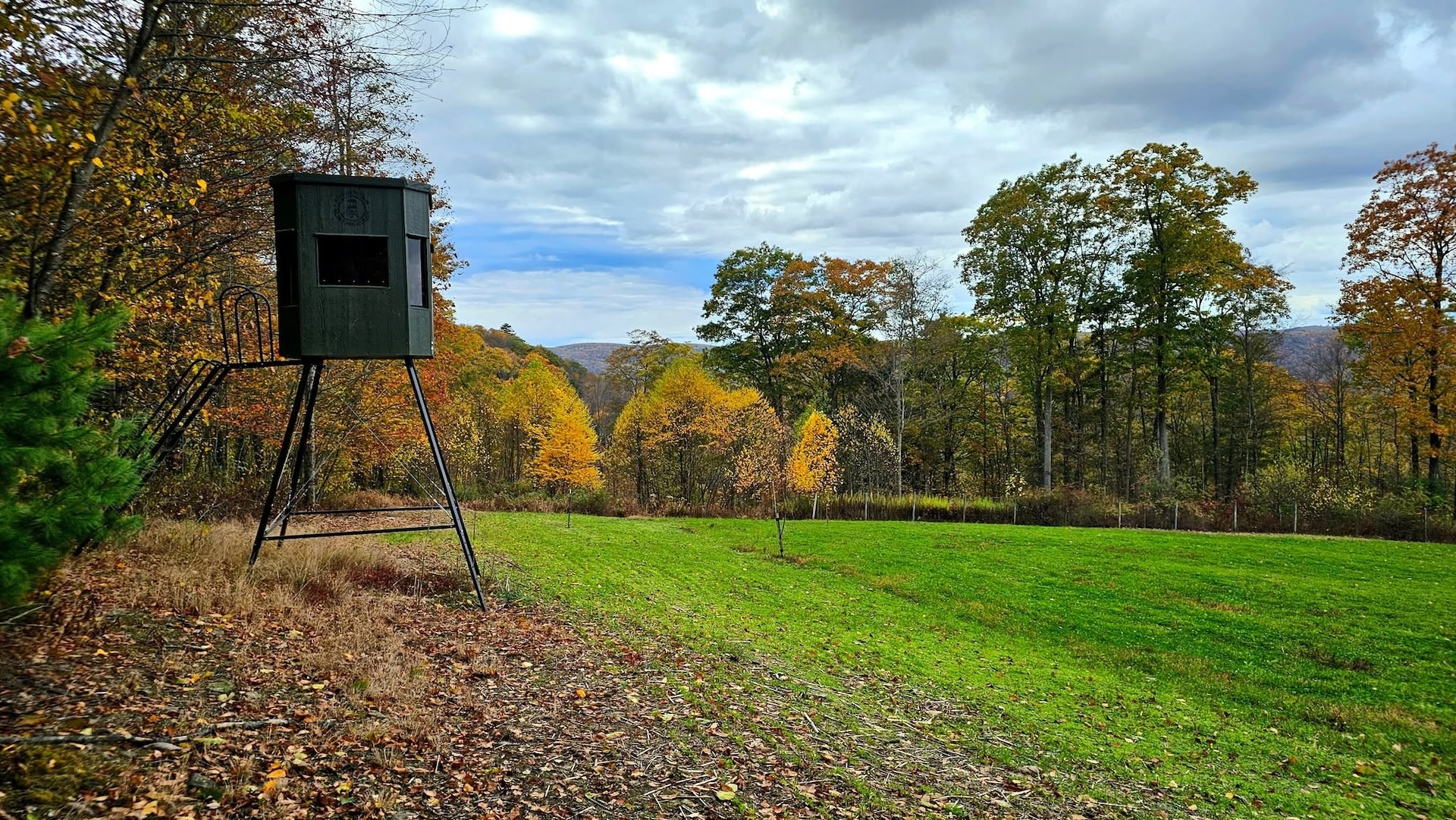
There are a number of different seasons throughout the year. In August, there’s crop damage hunting available through a program called the AG Tag (Agricultural Deer Control) program. Farmers and landowners are allocated a number of tags to help control the deer population on their properties, and then distribute these tags to permitted hunters.
In late September into early October, we have the archery season that will take place for about a month and a half. In late November and into December is firearms deer season, the big statewide season that everybody gets really excited about.
Into the new year, you have some late seasons with more traditional hunting opportunities like archery, a muzzle loader season in January, and some more of these AG Tag hunting opportunities into early spring.
There’s a very large period of time where hunters can be harvesting deer in Pennsylvania and probably more opportunities than ever. That has been driven by some of the Game Commission’s deer population concerns, especially on agricultural lands and in communities where the population has really grown out of control. Deer are very adaptive animals, and they find ways to thrive, even in urban areas. So there are lots of efforts underway, led by the Game Commission. Deer hunters are taking advantage of them because, obviously, they want all the opportunities they can get to be out in the woods doing what they love.
If you have two or three hunters in a family, who could potentially be harvesting several deer each, odds are you’re not going to need that many deer to feed the family for a year. So a lot of folks figure that, if they’ve already got enough meat and it costs money to process more, they’ll stop hunting at that point. A program like ours becomes really attractive because now those hunters can keep filling tags, help the Game Commission with herd management, and enjoy hunting out in the woods with this perfect conduit where it doesn’t cost anything to donate the deer and feed people in their local community that are struggling with food insecurity. It’s a perfect partnership between the hunting community, the ag community, the Game Commission through its wildlife management needs. It’s hunting as social service, which is a totally unique and novel way to look at hunting.
Roughly, how many processors work with the program and where are they located?
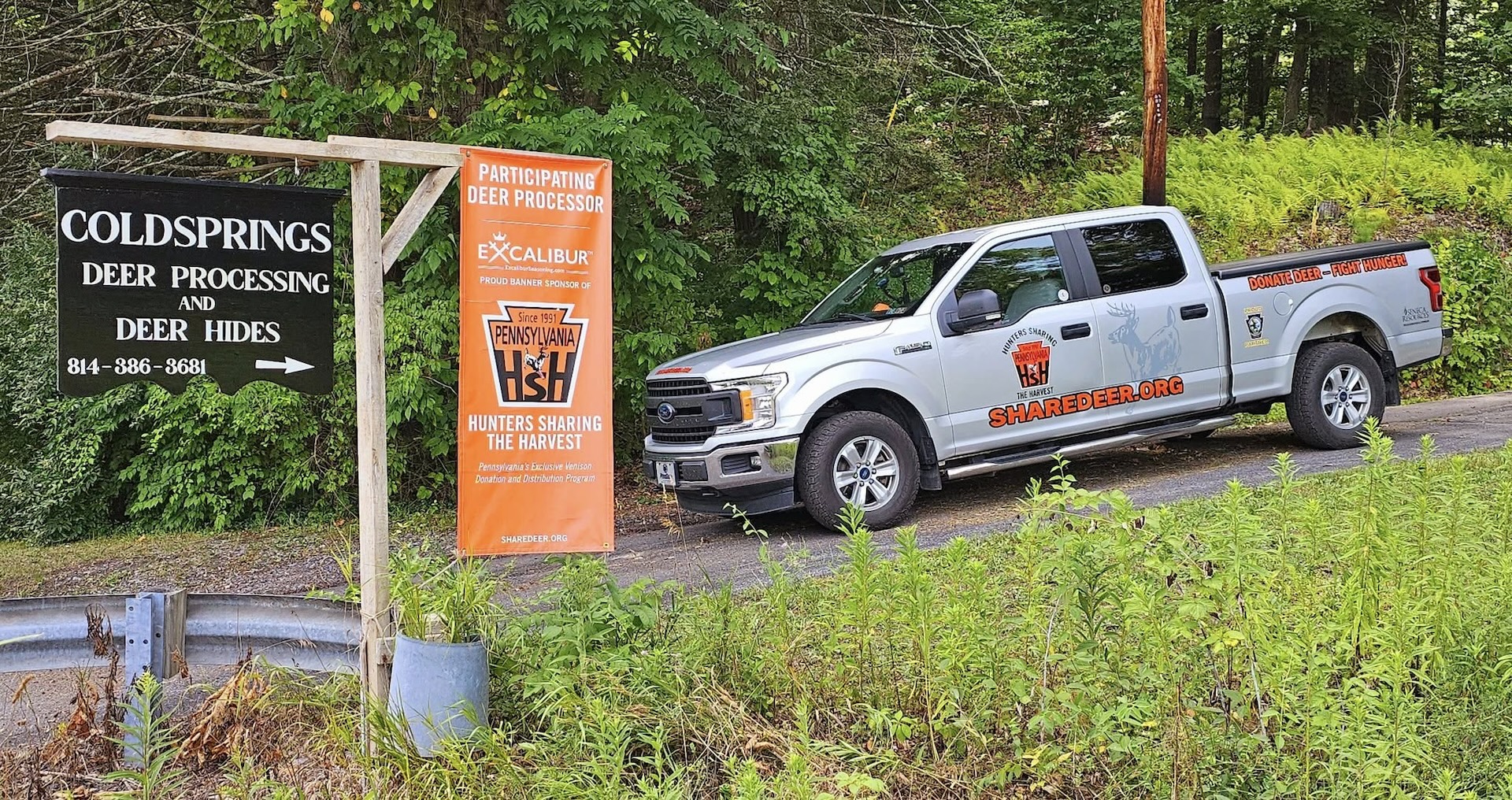
We have about 110 processors all across the state. We want to make sure we’ve got a participating processor within a reasonable driving distance of any hunter in PA that wants to donate a deer, and we’ve got them in 56 of the 67 counties. In some counties, we’re flush with processors. In Lancaster, we’re like the Dollar General — you can’t turn around without seeing one of our participating processors.
Most of our counterparts around the country would love to have that kind of processor participation, but we can be a little critical of ourselves. There are some very high deer harvesting counties where we don’t have a single processor right now, so we’re always trying very hard to make the introduction and let those processors know about our program, and that they get paid. Sometimes there can be a misunderstanding that they’d have to donate their time and overhead, but that’s not the case.
How does the venison get distributed throughout the charitable food network?
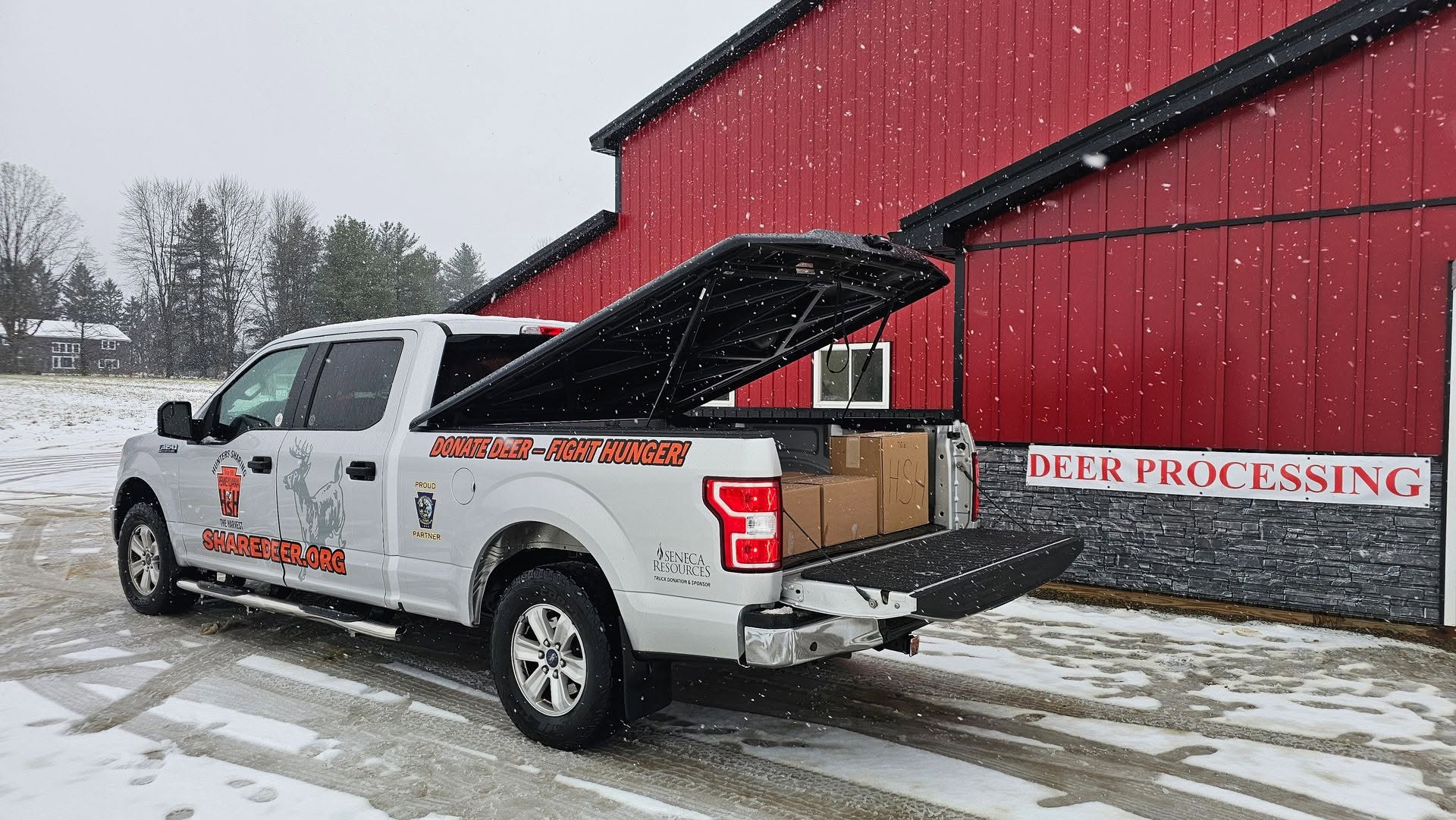
We do a good job of distributing our venison pretty broadly throughout the state. We give our processors a lot of autonomy in the process. We encourage them to send the venison to their regional food bank. If people are struggling with food insecurity, they’re often struggling with other financial and emotional stressors. So we try to make sure we’re aligned with agencies who can qualify people for food benefits along with other assistance they might not have known was available. But, if processors have relationships with certain hunger relief agencies in their communities, we’re perfectly fine with them distributing to those local soup kitchens, food pantries and smaller food banks.
Our biggest thing is knowing where every pound of venison goes. We’re real sticklers about the chain of custody form that our processors maintain. Any group picking up venison signs off with their name, contact information and how many pounds they take.
What do the processors turn the meat into?
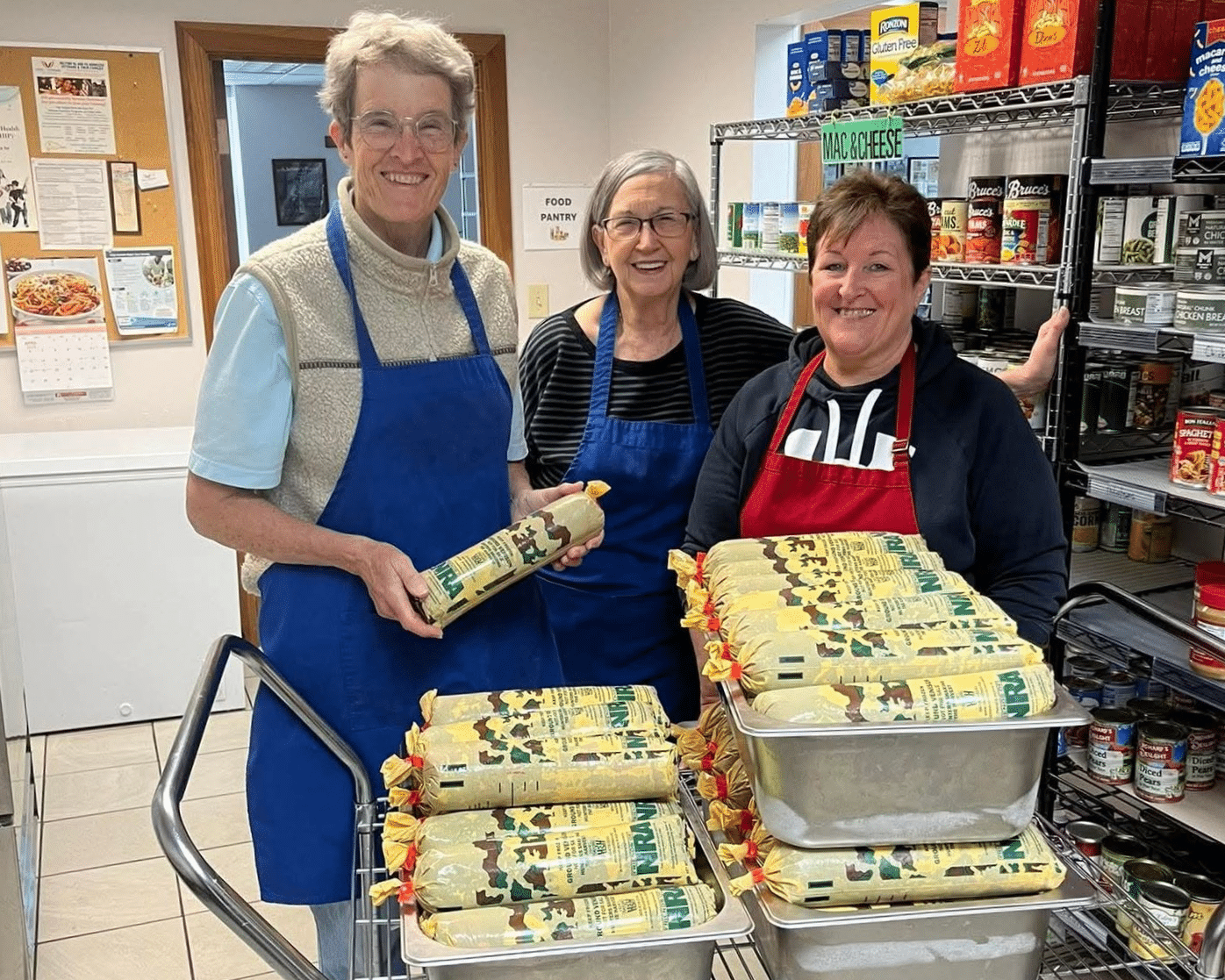
It’s all ground into burger. We provide one-, two- and five-pound chub bags to the processors and they process and package everything. Ground burger is the most efficient form to distribute the venison and the easiest way for people to prepare it.
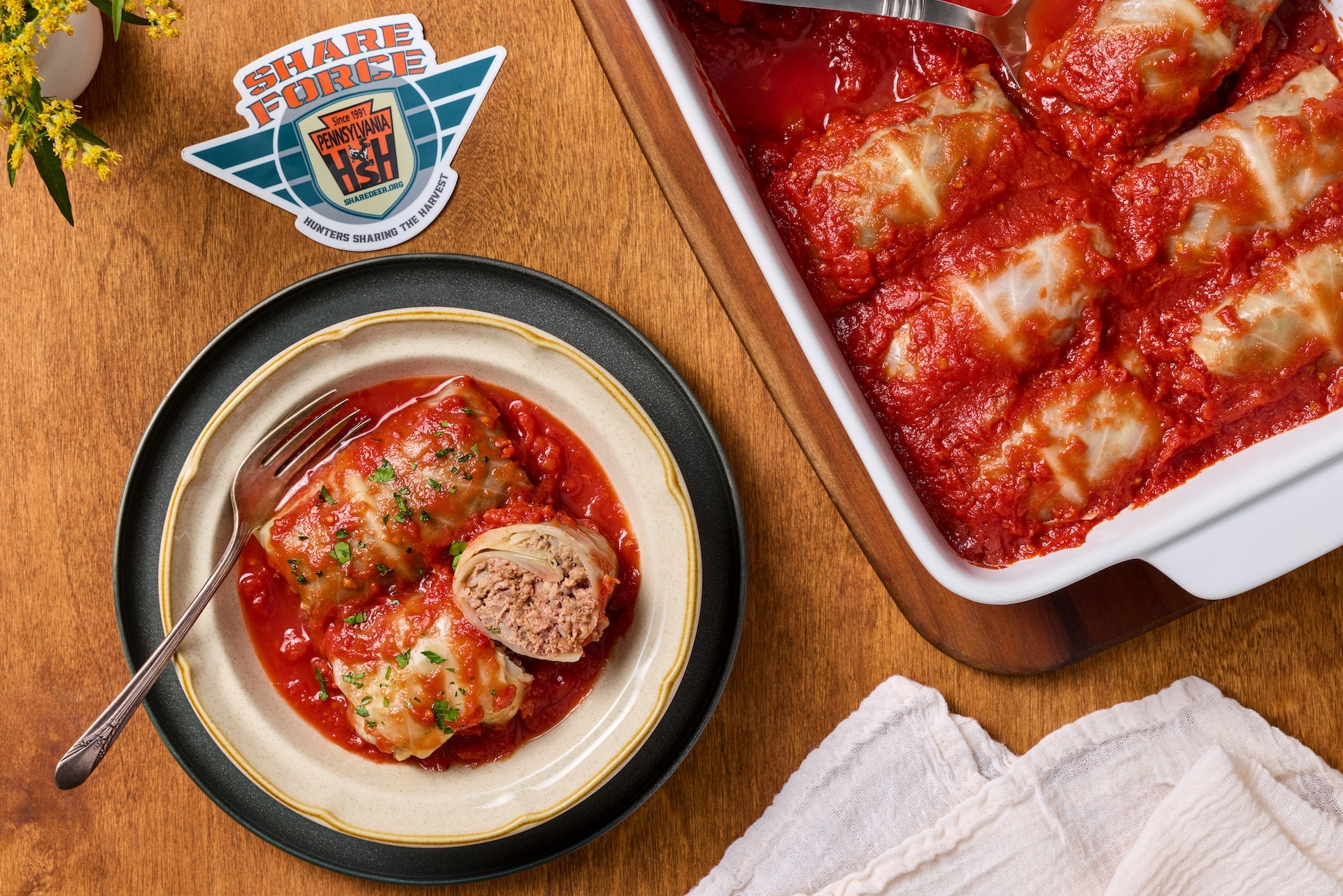
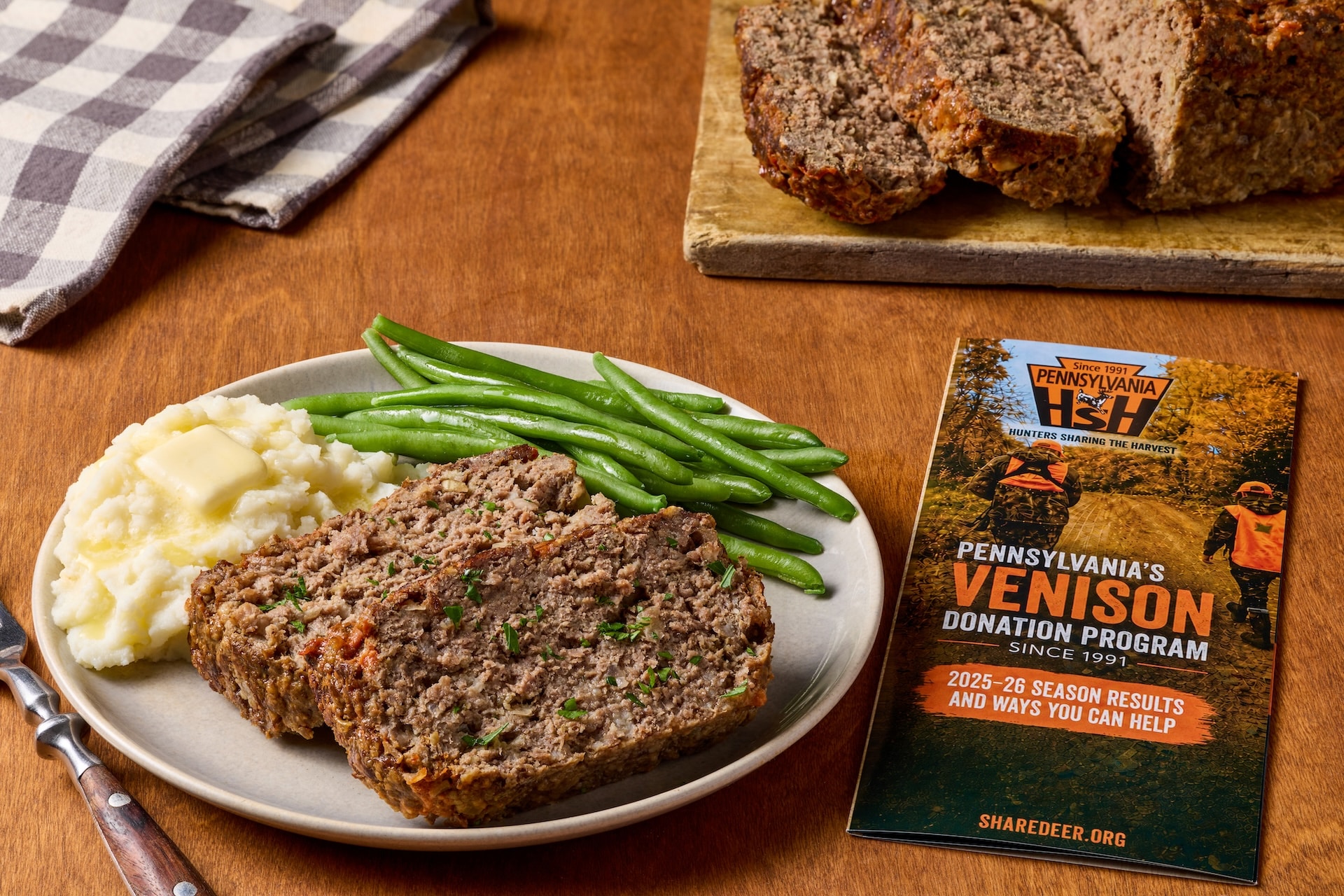
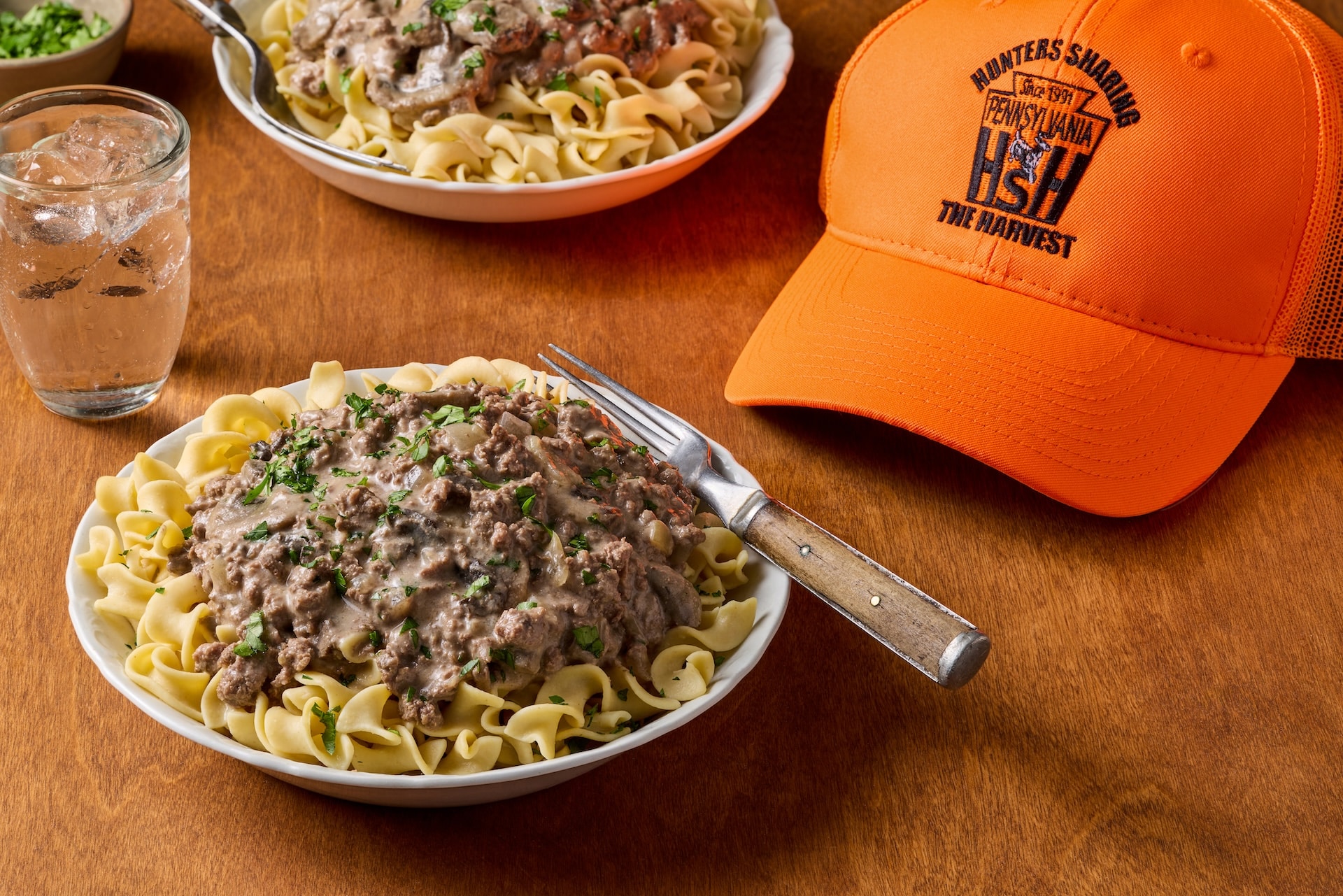
A lot of times, folks that are receiving this venison may have never had venison before in their life. Their first question is, “How do I prepare it? What do I need to do differently?” For the most part, you’re going to treat it just like you would a pound of beef burger that you bought at the grocery store. Use it in the same recipes, like chili or Hamburger Helper or spaghetti sauce. It’s going to cook and taste just as good as any burger you’ve ever had. Sometimes, you want to mix it with a little bit of fat or mix it in with some ground beef for meat loaf for meatballs, which need a little bit more fat content to hold together well.
Editor’s note: Find our growing collection of Nourish PA venison recipes here!
Hunting as a social service is an incredible concept.
We feel that this movement is putting such a positive face on the hunting community. Those of us that are hunters and conservationists have always known that it’s a great group of people who really care about those around them. Folks who have not had exposure to hunting might have preconceived notions about hunters, like they’re out there just looking for trophies. While there’s certainly pride in harvesting a big buck, most hunters will tell you that they’re out there because they love being in the woods and fields. They like having a connection with nature. They love the idea of feeding their families with what they harvest. And they’re careful about what they do.
With 38 states doing similar programs, you’re talking about a cumulative benefit of millions of pounds of good, nutritious, lean, high-protein meat that’s going out to the food-insecure. You can’t ignore the fact that the hunting community is truly making an impact on food security at a scale that I don’t think any of us could have pictured 10 or 20 years ago.
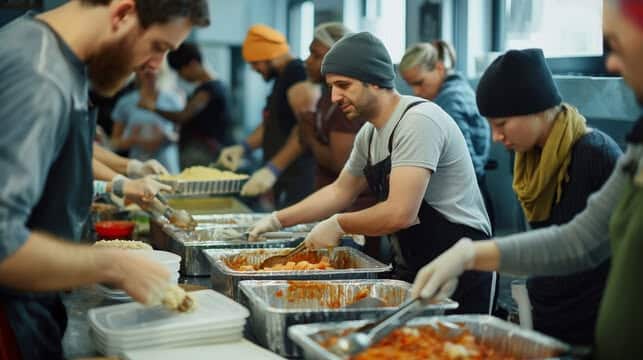
Hunters Sharing the Harvest relies on a powerful network of boots-on-the-ground volunteers, deer hunters, processors and hunger relief organizations. New partners are always welcome! Visit the Hunters Sharing the Harvest website to learn all about how you can join the movement, and follow its journey on Facebook and Instagram. (866) HSH (474)-2141.
- First hunter: Pexels
- All other photos: Hunters Sharing the Harvest
- Venison cabbage rolls, meatloaf and stroganoff: Dish Works