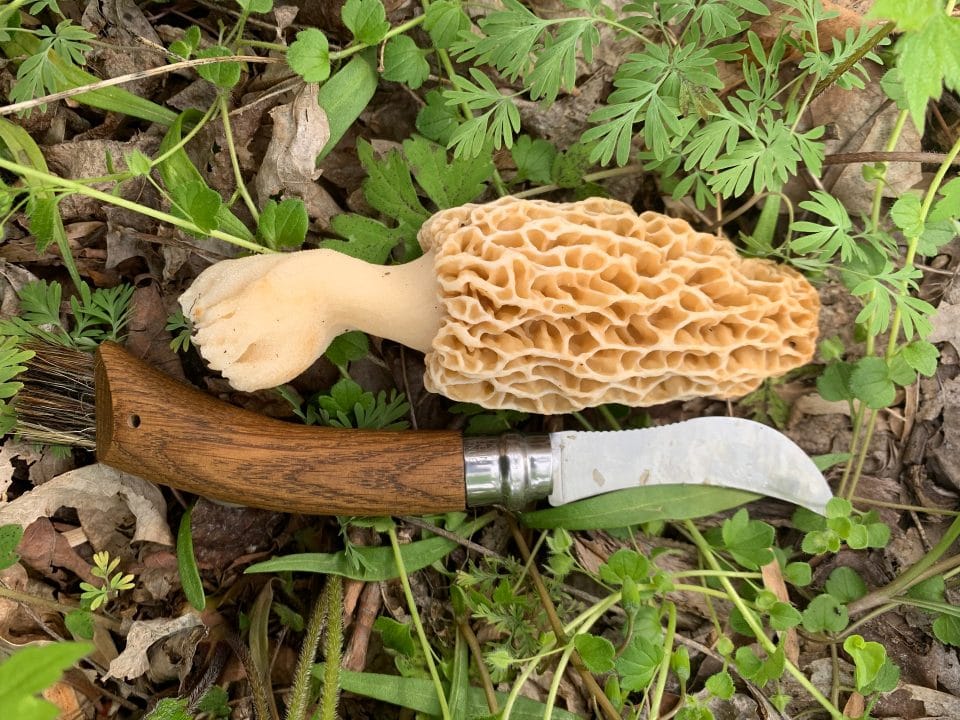
For many naturalists, the pursuit of an elusive “white whale” plant or animal turns a pastime into a passion. This could be brook trout for fly fishermen, warblers for birders or, for Pennsylvania foragers, the morel mushroom. This rare and delectable fungi offers a great thrill to those who find it, and draws countless foragers into PA’s forests every spring.
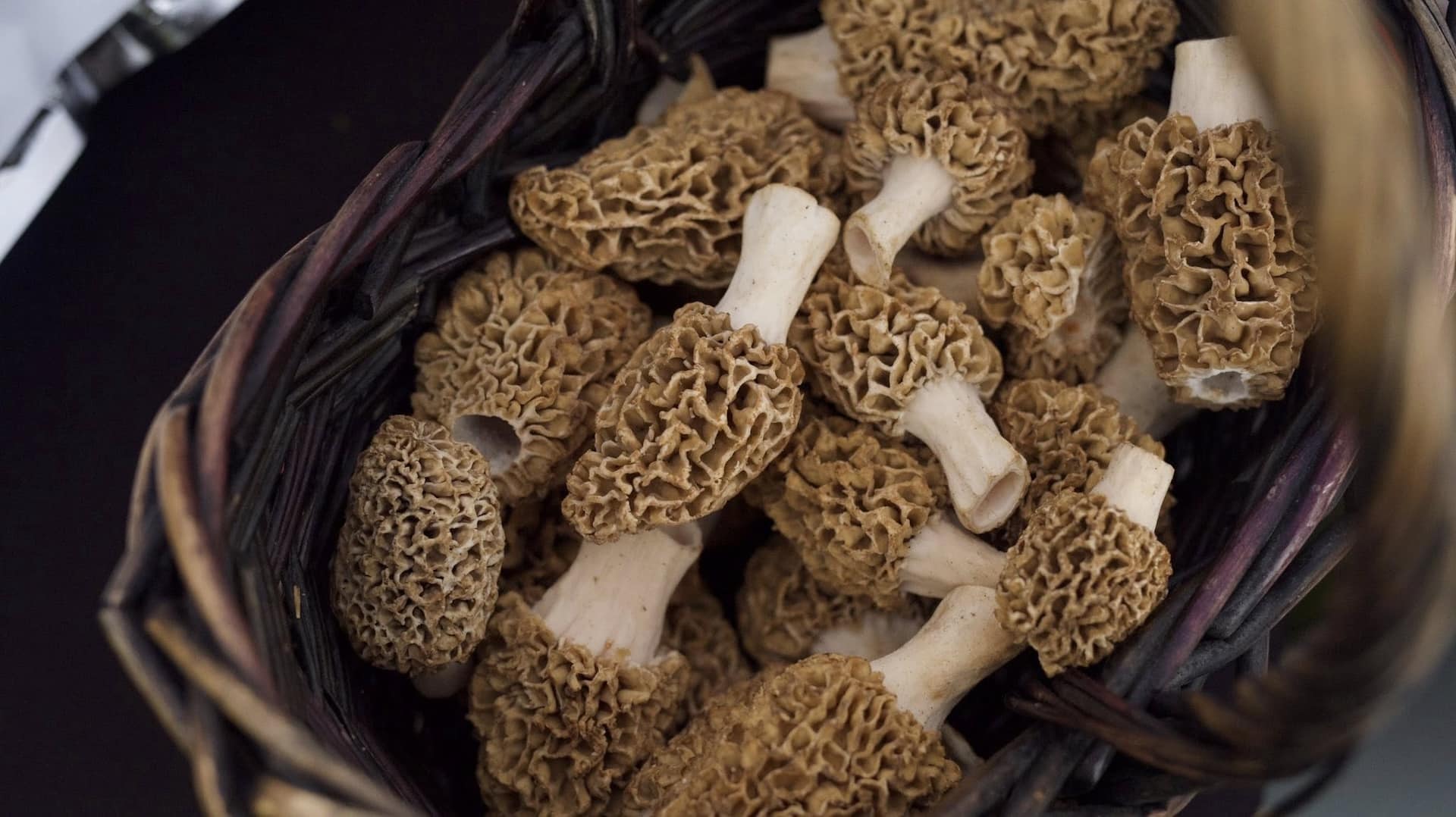
The arrival of the prized morels marks the beginning of “hunting” season. It’s cause for celebration after the long and dormant winter and creates the perfect opportunity to gather and set out into awakening woods together. For all of these reasons and more, PA mushroom expert Drew Zimmerman (aka Unkle Fungus) founded MorelFest around this curious, captivating little fungi. We spoke with him about the festival, its inspiration and what it offers to the Pennsylvania community.
The third annual MorelFest, a morel mushroom and arts retreat, takes place Friday, April 24 – Sunday, April 26 in Gettysburg. The weekend is packed with forays, earth-based workshops, wellness classes and community building with live music and an exquisite small plate farm-to-table dinner.
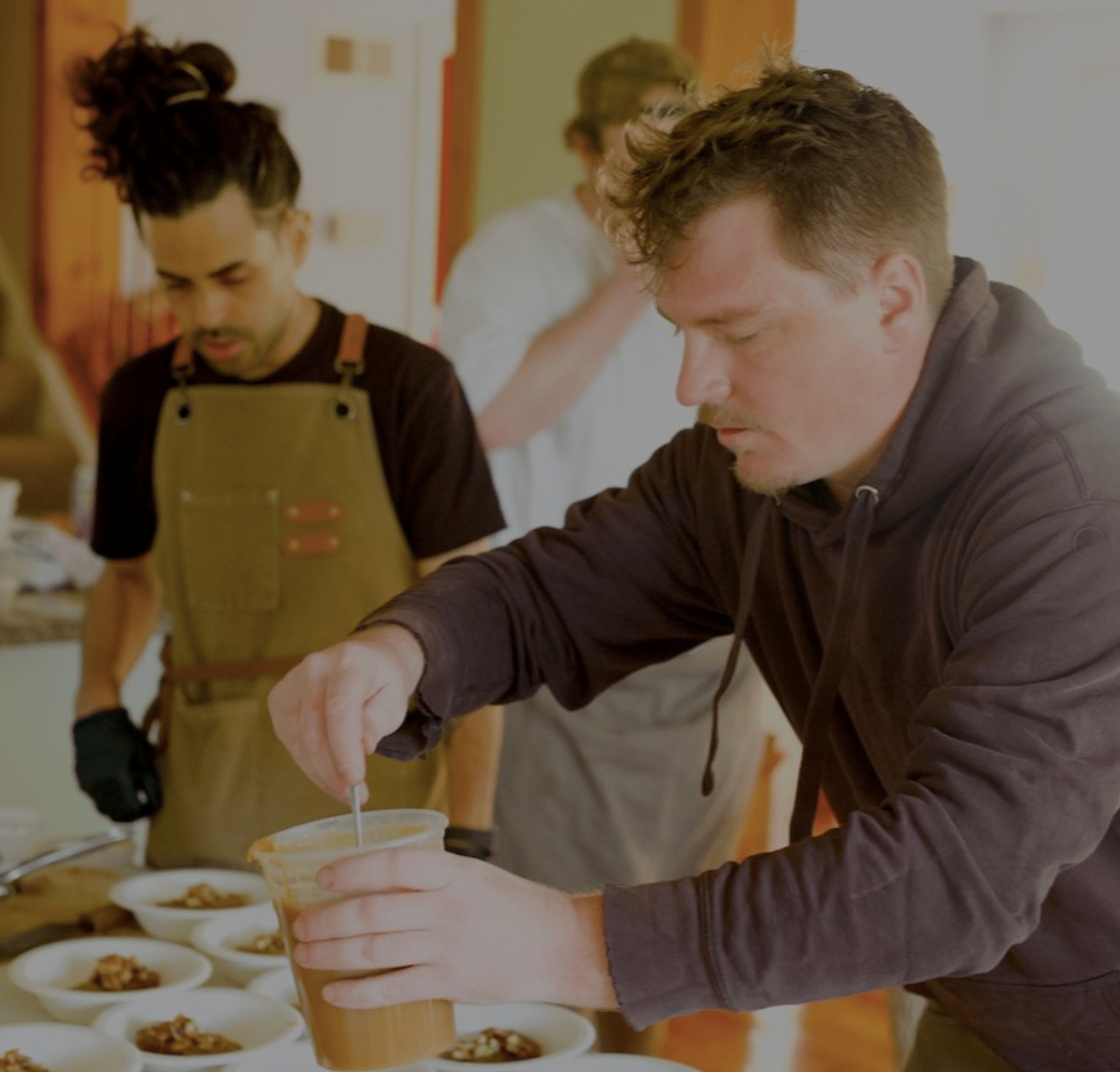
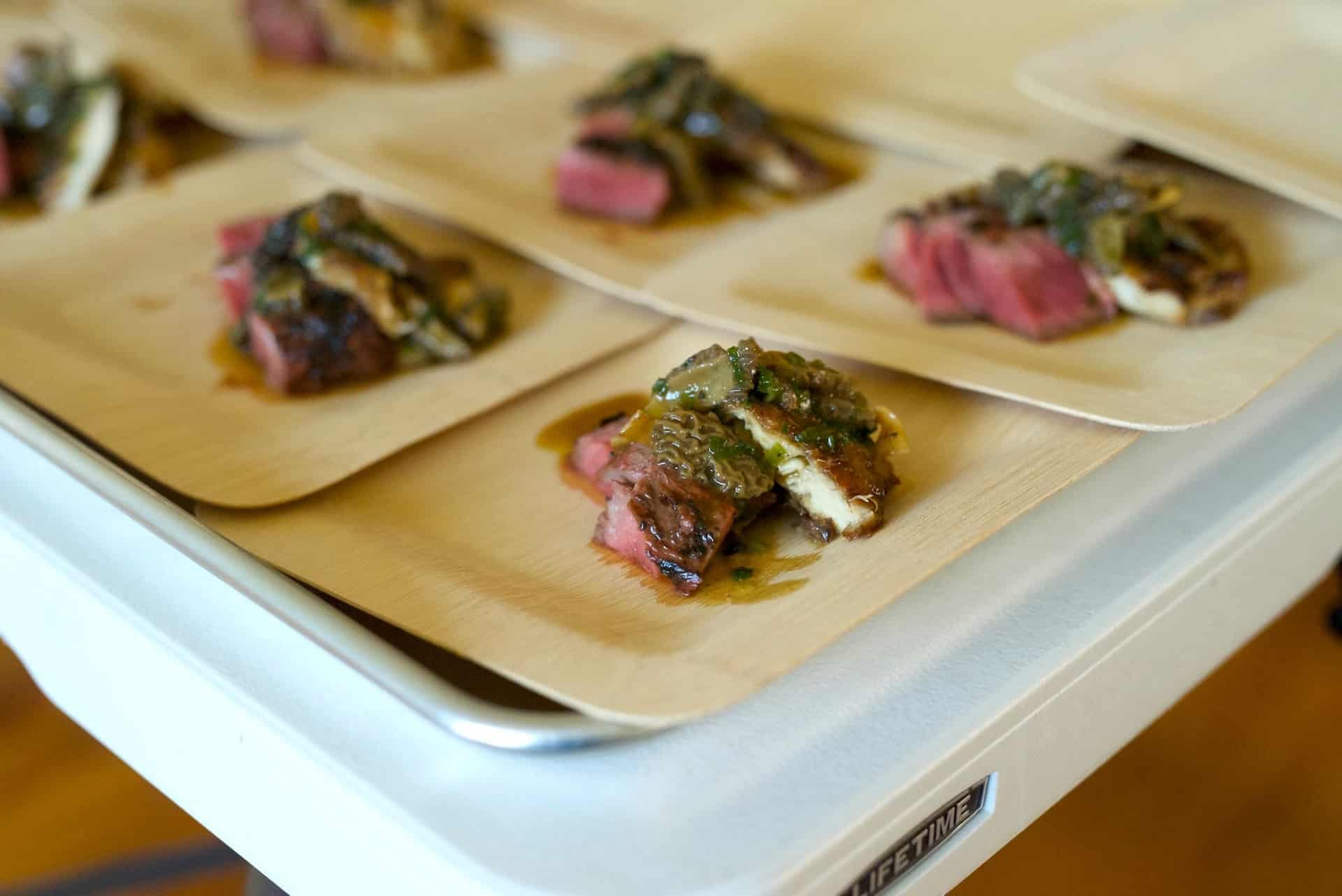
Zimmerman and Nicholas Prieto preparing a morel dinner
“I always wanted to do a springtime mushroom festival,” says Zimmerman. “There are so many fleeting, ephemeral things to collect and eat in the spring, like morel mushrooms and wildflowers. It’s one of my favorite times of the year to go out into the woods. Morel mushrooms are one of the most sought-after mushrooms in the world, and I wanted to celebrate that and get the community together, whether its people who are novices and want to get into foraging, or professional mycologists and naturalists. I also wanted to give artists a platform to sell their goods and invite people to express themselves in many different ways.”
Of all the mushrooms foraged and farmed, Zimmerman has witnessed the most excitement around morels. When he sold gourmet mushrooms at farmers markets, people were willing to spend $50 – $100 per pound for morels, which Zimmerman believes is about more than just their taste. “They just wanted to experience something nostalgic and kind of relive their childhood when their grandparents or parents would take them foraging for wild mushrooms. I think that skipped a generation, but I’m trying to bring it back.”
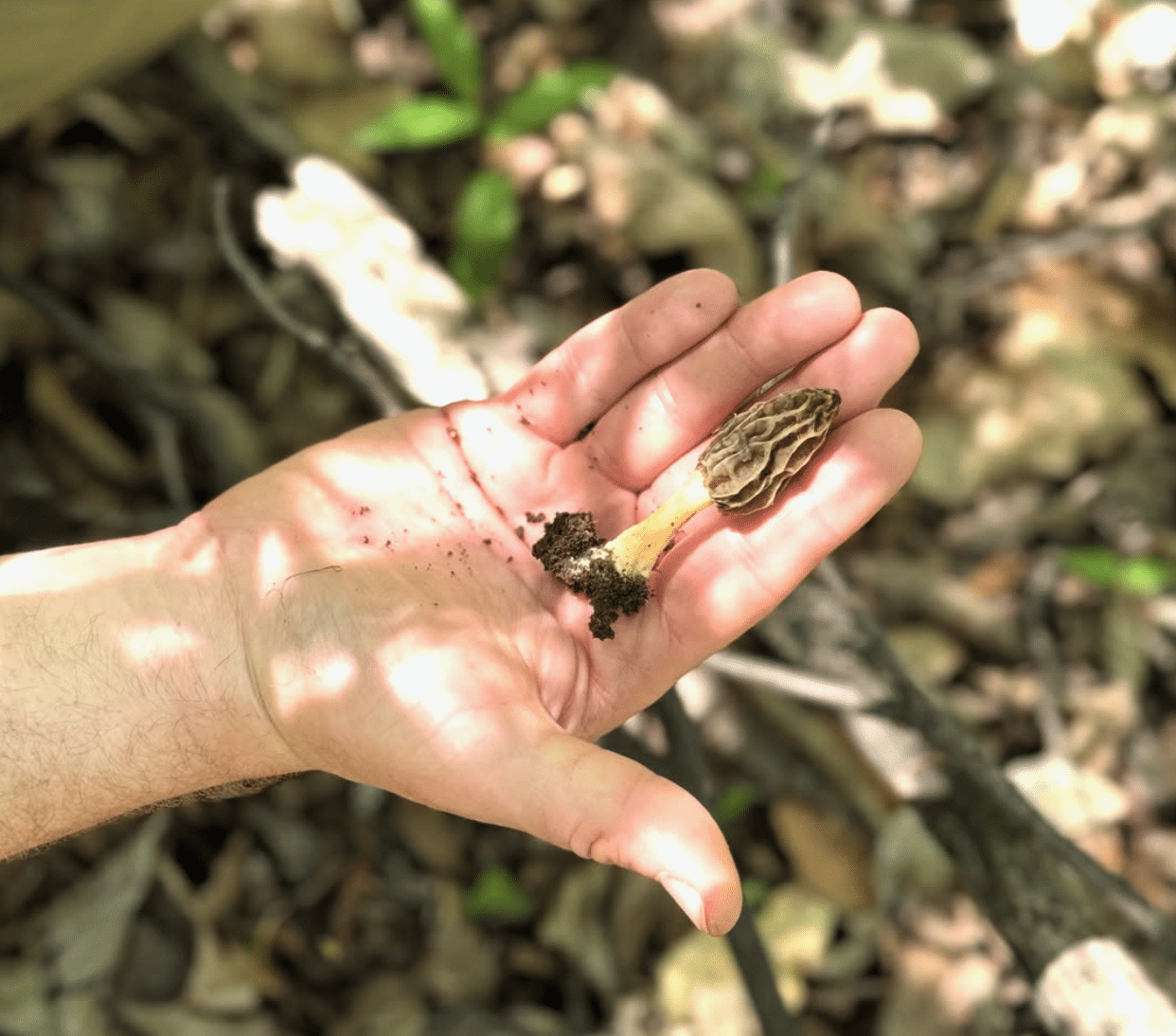
The elusive, ephemeral nature of morels most certainly adds to their appeal. They’re nearly impossible to cultivate and grow at scale because they rely on complex, symbiotic relationships at a cellular level with trees. So, they must be foraged in the wild. They also prefer very specific, delicate conditions including the slopes of untouched, old-growth forests with ground temperatures in the low 50s and high humidity. Their growing window only lasts a few weeks, adding even more fervor to the hunt.
To find morels, you often need to find dead trees in a diverse forest that has not been logged or disturbed. They’ll start popping up around the time that dandelions go to seed, after a flush of false morels, which is a toxic lookalike that you need to avoid.
Morels love elm trees, as well as ash and tulip poplar. Zimmerman says, “I look for big, dead or dying elm trees. The time is right when the bark starts to fall off the tree. When the tree has died, there’s a lack of nutrients in the rhizome, which is what the morels are actually connected to. So the mushroom feels like it’s running out of food from the tree and will try to reproduce.”
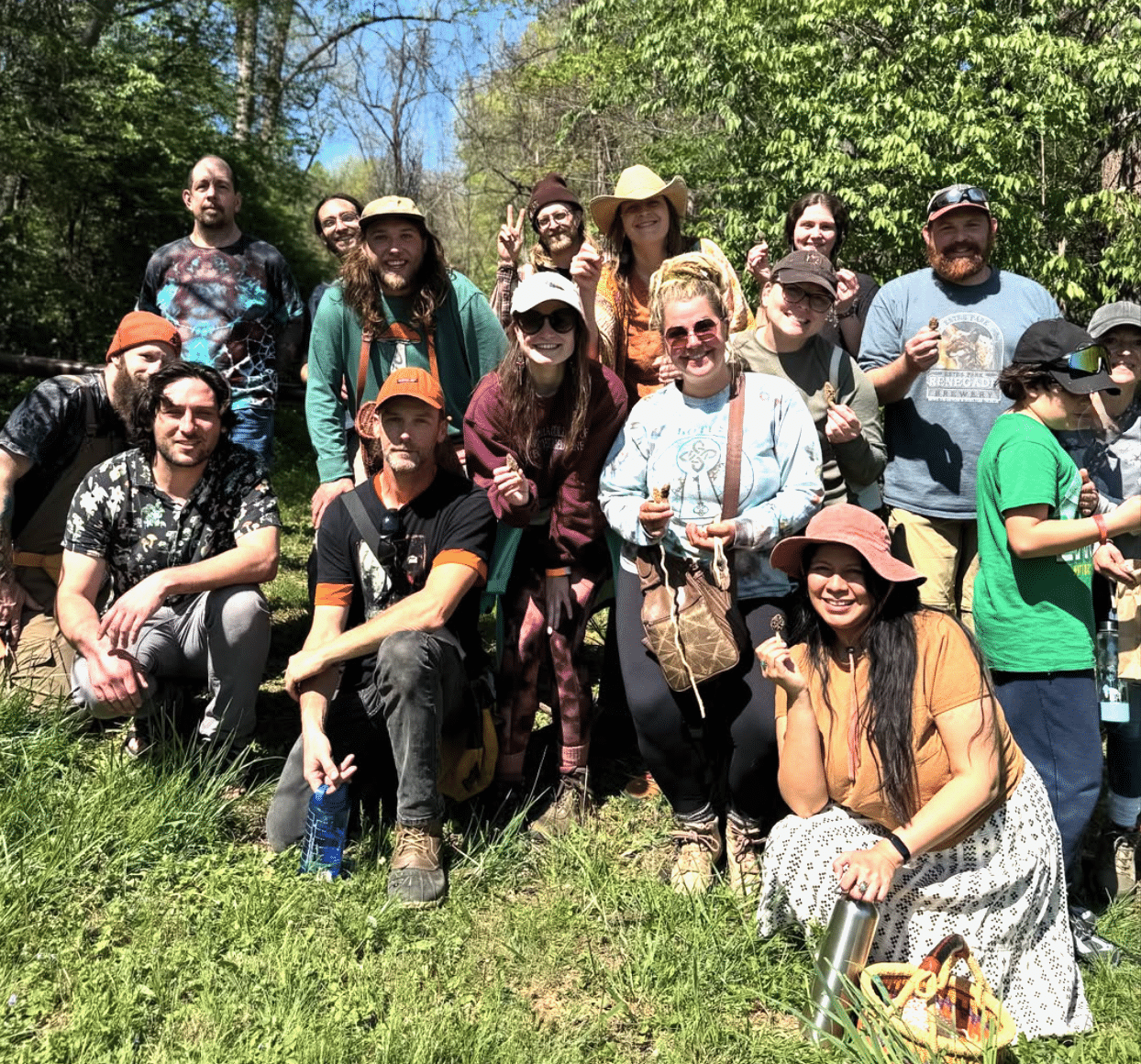
Finding morels is not easy, but MorelFest helps to demystify the process. Each day of the festival, expert guides lead forays into the woods, showing groups where and how to forage for the mushroom. Zimmerman says, “Foray leaders take groups of people through the woods and teach them about whatever we find. People wind up coming back to the event with a basket full of morels. There’s a ton of people who find their first morels and it’s just a really magical experience for them.”
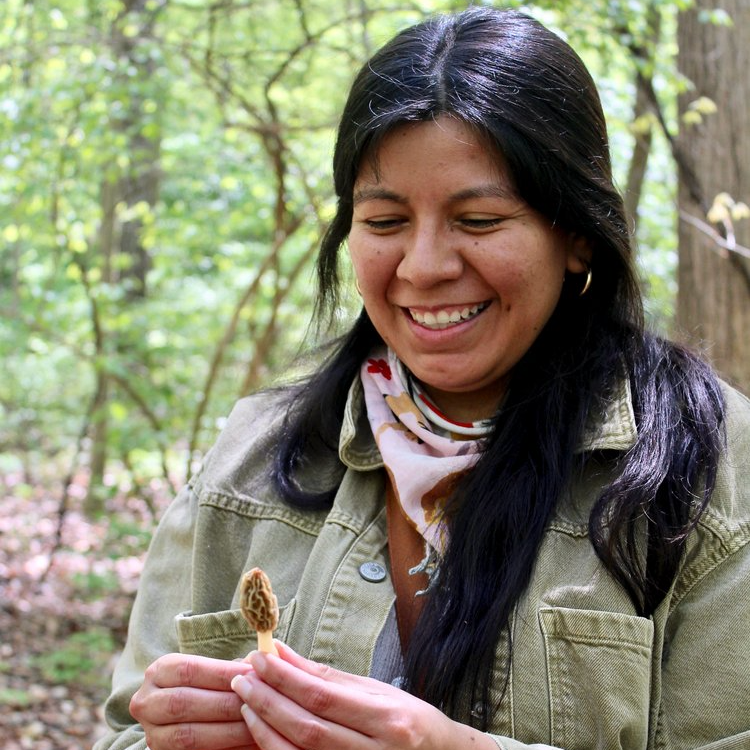
Additionally, a range of talks and classes offers in-depth information about a variety of mycological topics. “We have a bunch of speakers coming in from all over Pennsylvania and the East Coast. You leave a higher education of all things natural,” Zimmerman says. This year’s lineup includes “Unearthing Potential: The Future of Pennsylvania Truffle Cultivation” by William Padilla-Brown, “Apple Tree Morels (A Happy Accident)” by Justin Knaub and “Designing Your Dream Farm” by Lou Steel.
There’s also a mushroom skincare workshop, yoga for all ages, a live koji grow installation and live music by local bands Dirt Turtles and Sqonk. It all comes together at the Saturday night dinner, a worth-it splurge for any morel enthusiast. Although the 2026 dinner is sold out, keep it on your radar for future years as a way to experience the forest floor in a multi-course, gourmet meal.
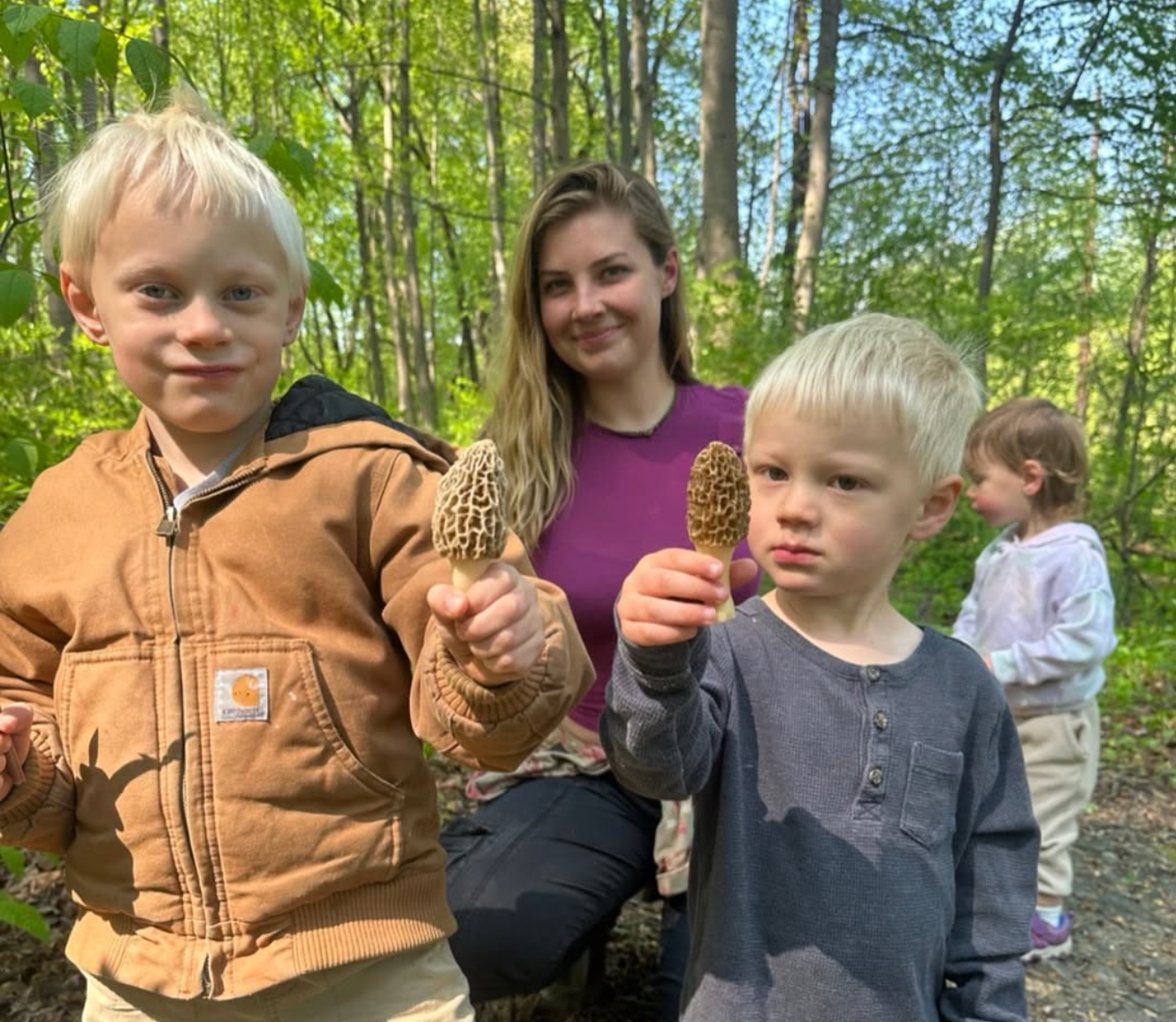
With around 250 attendees, MorelFest is a small and tight-knit event. It’s accessible by design, which is leading to growth. “We make the event very affordable for people,” Zimmerman says, “Children are free because we want to bring the younger generation into this. People are so disconnected from their environment nowadays. So, to get people out in nature is the main goal.”
To celebrate springtime abundance at MorelFest this year, get your tickets here. Follow the event on Instagram to stay in the loop, and swing by UnkleFungus’ page while you’re there. MorelFest takes place at Conscious Acres Farm, 575 Hilltown Rd. in Gettysburg.
- Photos: MorelFest