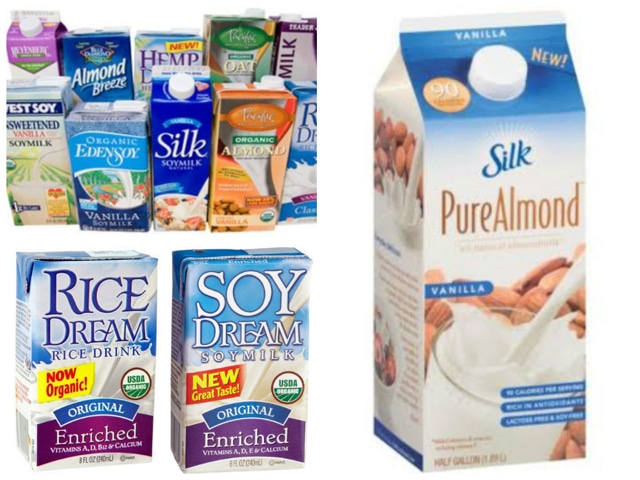
Moooove over dairy milk, there’s a new source of calcium in town and it doesn’t come from a cow, it comes from a plant. If you’ve cruised the aisles of your grocery store lately, it seems as though new forms of milk are taking over the shelves and they are carry names like soy, almond, rice, coconut, hemp, oat, flax milk and more. Yes, they’re all milks in the plant-based category!
I’m not going to lie here—the first time I had soy milk, I almost choked. It was well before I became vegan, and all I remember is that I thought I needed a re-take of what I had just ingested. But like all things that are good for you, once I acquired a taste for non-dairy milk, I have never looked back. My milk is enriched with calcium and vitamins and full of flavor and I even use it in cooking to make creamed soups and rich desserts. One of the nice things about plant-based milks is that they are really low in calories, which is good, especially if you are looking to shed some pounds. Generally, you can save between 40 and 60 calories per eight-ounce serving.
Maybe you’re not going vegan, but you’ve developed an allergy to dairy or an intolerance to lactose, which are other reasons why non-dairy, plant-based milks might be on your new menu for healthy eating.
With so many non-dairy varieties to choose from, you might ask yourself, “Where should I start?” The trick is to not become overwhelmed with the task at hand. You can head to a conventional grocery store and find exactly what you’ll need. Non-dairy milks are often shelf-stable (aka not refrigerated) and packaged in quart boxes. But, you can also head to the dairy aisle, where they appear in half-gallon containers. I’ve found they taste the same.
In a nutshell, I love vanilla-flavored, unsweetened almond milk. It is now my go-to milk, and I can drink it nice and cold from a tall glass…don’t even need the cookies! I enjoy its flavor and texture immensely. If you have an allergy to tree nuts, almond milk might not be the best choice for you. Most non-dairy milks are enriched with calcium and vitamins (D2 and B12), and flaxmilk is even a source of Omega-3 (the ever important essential fatty acid).
What’s a great way to introduce non-dairy milk into your household?
Here are a few tips which worked for me, and I think they will work for you, too!
- Buy a few different varieties and have a family taste test. Serve them chilled.
- If you’re not opposed to added sugar in your milk, chocolate almond milk is a sure winner.
- Not ready for primetime in the milk-switcheroo? Start cooking with non-dairy milks. It is a good and gradual way to begin the trek.
- There are coffee creamers of the non-dairy variety, but my sense is that they are really loaded with way too much sugar.
- Use “Meatless Monday” as a day to serve plant-based milks. We’ll talk more about Meatless Mondays in other posts, but if your curiosity is sparked, here’s a great place to start learning more: pcrm.org
Got Hot Cocoa?
This is an easy way to make hot cocoa, and it is a great way to introduce plant-based milk to friends and family. With the cold winter’s chill, this is a must have.
Take one cup of unsweetened almond milk, one tablespoon of cocoa powder (unsweetened), and one tablespoon of pure maple syrup. Mix well together, and place in a saucepan and heat until it begins to bubble. Pour into your favorite mug, and enjoy.
Let us know how you liked the hot cocoa! And share your own thoughts about switching to plant-based milks.