For the earth-loving, agri-curious among us, the Horn Farm Center (HFC) in York County offers a haven of learning, exploration and connection. Founded through community insistence, it remains in partnership with the people around it, inviting them in and advancing their know-how as a radiant hub of stewardship, connection and well-being in south central Pennsylvania. We spoke with HFC Education & Outreach Specialist Andrew Leahy, who shared the history and happenings of the organization with us.
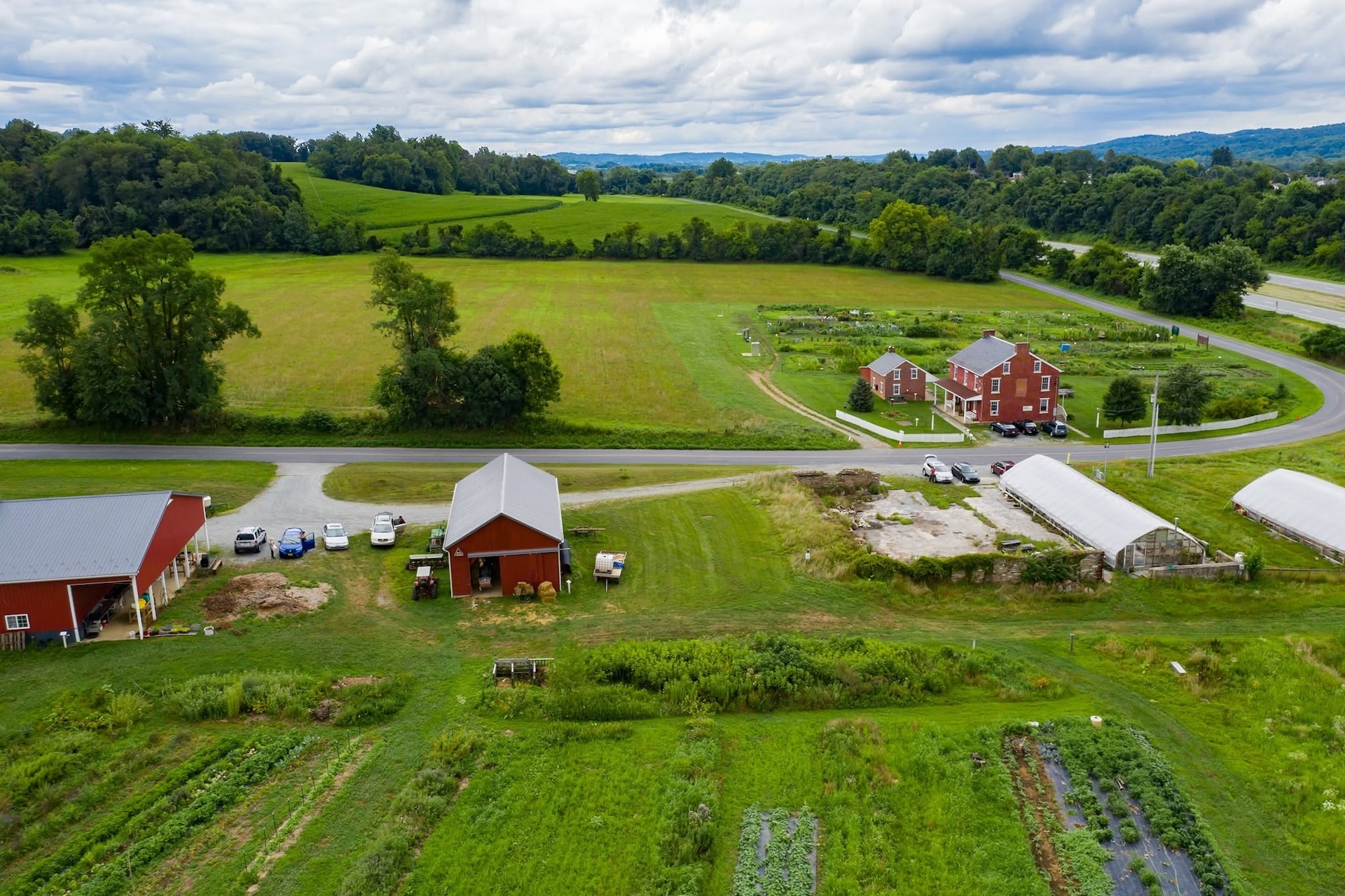
HFC has so much going on that it’s hard to summarize it in one neat package. It’s a mission-driven nonprofit, a 186-acre historic farm, and a bioregional hub positively buzzing with programs, people, plants and ideas all year round. Leahy helps put it clearly, saying “We are an environmental and agricultural education space.” The HFC focus is one of regenerative, sustainable agriculture like agroforestry, perennial crops and diverse, ecologically-inspired farming systems as well as the human experience: wellness, connection, joy and art that stem from a rich, considerate relationship with the land.
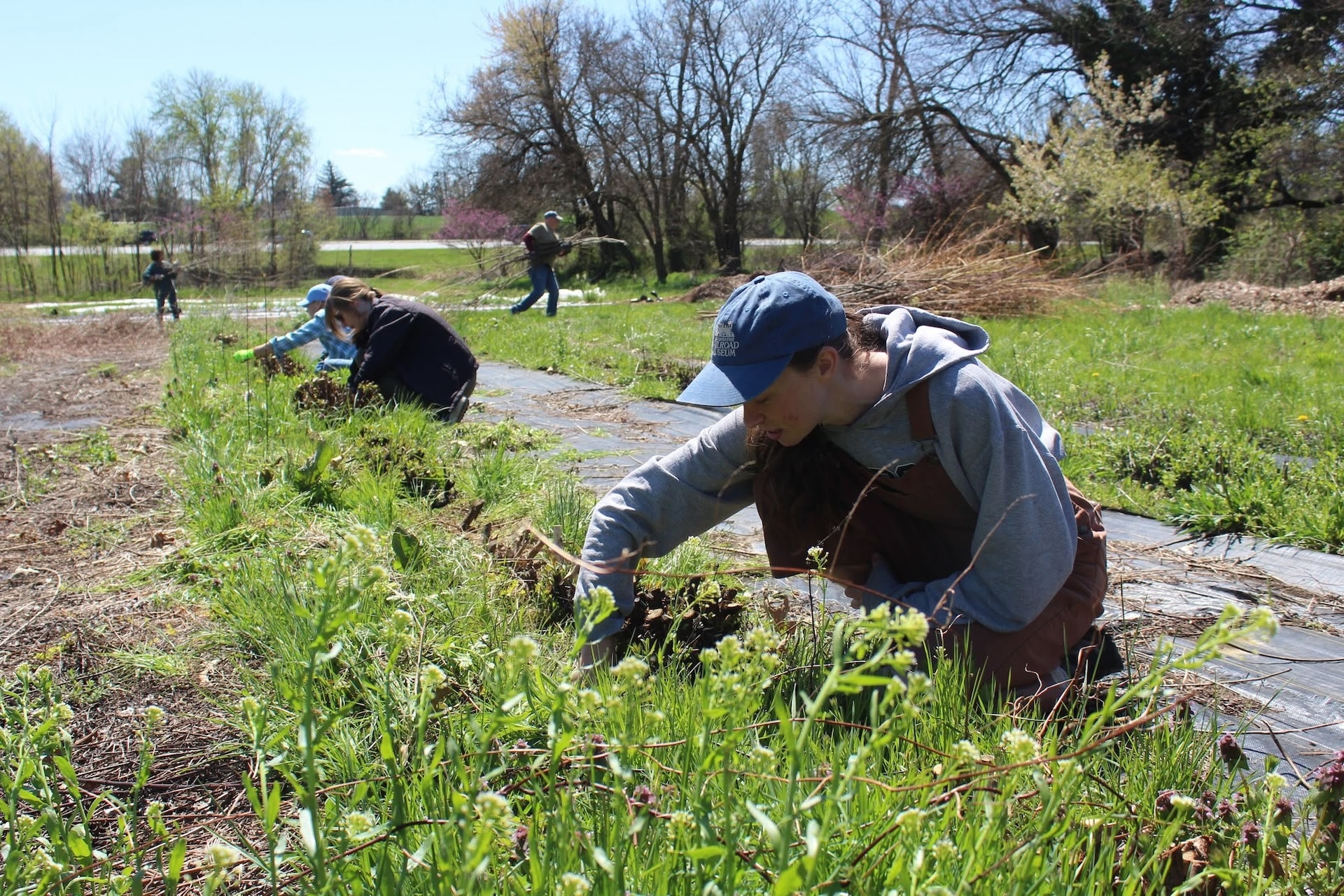
Community Crew volunteers weed the basketry willow patch
The historic Horn Farm tract has been farmed for nearly 250 years. “It has a deeply rooted European agricultural heritage to it,” Leahy says. In the 19th century, there was an orchard (as there is today), a whiskey distillery, livestock and a tannery among other historic operations. David Horn and his family were the land’s last private owners, and Horn passed away in 1964. His wife and daughters deeded the farm to York County in his memory in 1981. In the late 1990s and early aughts, there were rumblings of industrial development planned for the site. “The community was adamant about not wanting that to happen,” Leahy explains. “They came together, developed a plan and were actually successful in helping to stop the development pressure on Horn Farm. What was, at the time, touted as a high tech industrial center, sort of like the warehouses we see today, was thwarted by community efforts.” A deal was struck: the county would preserve farm if it served as valuable community space. Members of the community set to work and, by 2004, established the nonprofit known as Horn Farm Center for Agricultural Education.
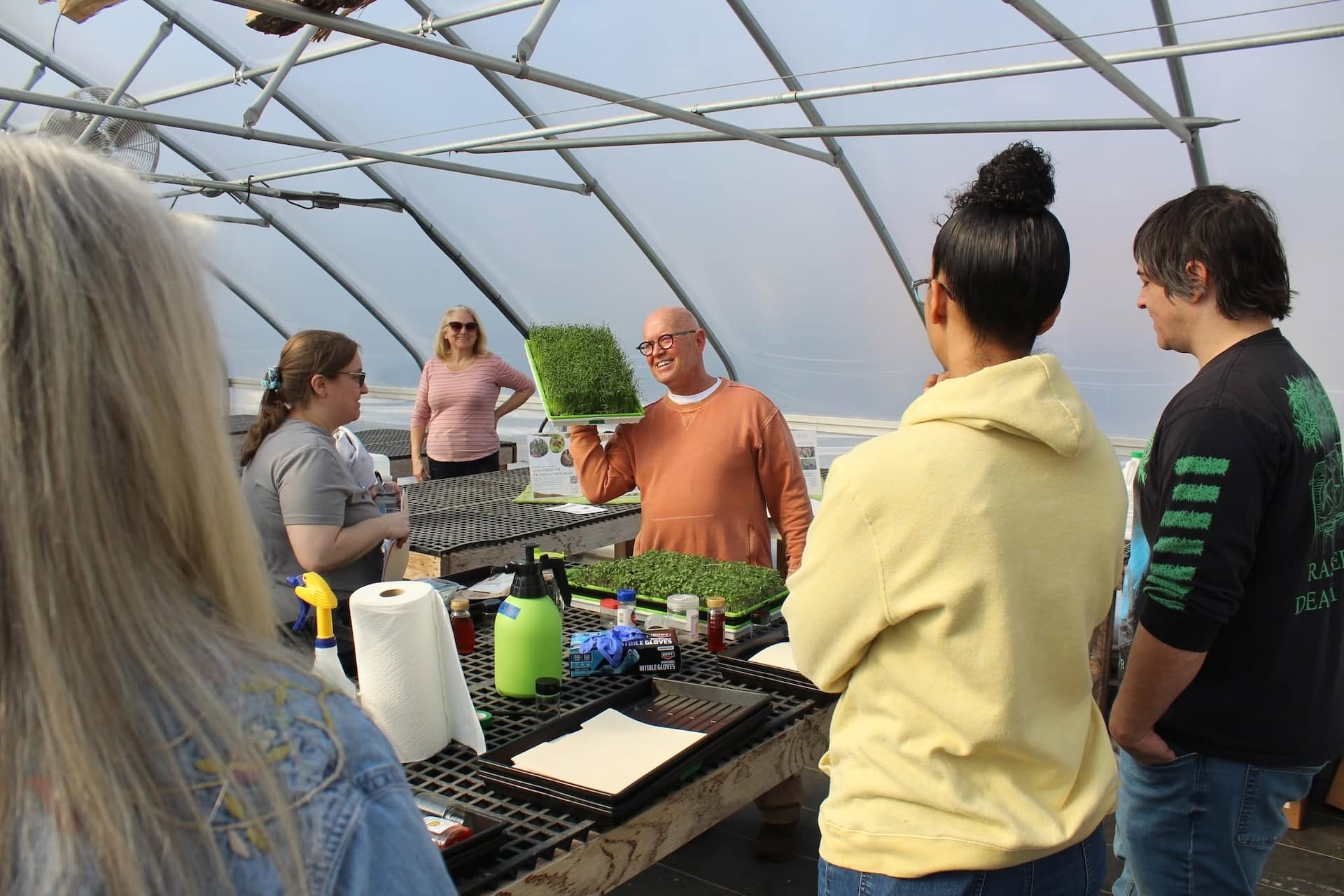
Grow Your Own Microgreens class
HFC has really honed its educational role and environmental, ecological focal points in the years since its founding. Leahy says, “Today, our focus is on regenerative agriculture and agroforestry, teaching people about practices of land stewardship and growing food to take care of the earth while nourishing the local community. We also introduce people to perennial crops and agroforestry based on farming systems that we believe are the future of growing local food in tandem with our natural environment.” The educational programming has, essentially, two tiers: classes and workshops for the general public and training programs for those interested in more intensive learning on topics like foraging, ecological restoration, beekeeping and forest gardening.
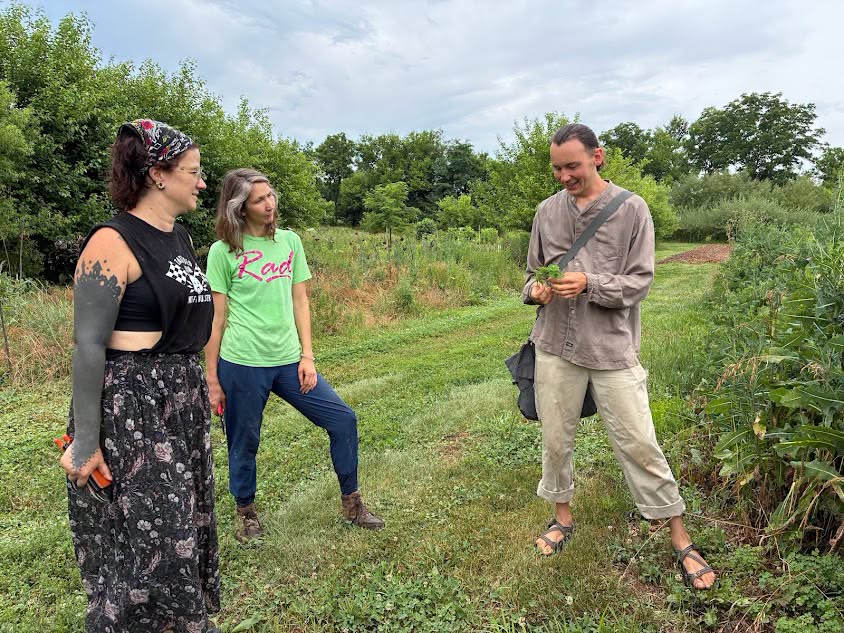
Leahy teaches Regenerative Grower Training students about foraging
Of the more general educational opportunities, Leahy says, “We divide the programs into different actions that people can take on the land.” This includes gather, wonder, harvest, create, reflect, discover, rewild and tune in. The foraging and herbalism programs (gather) are particularly popular. “A great introduction to our vibe at Horn Farm are our monthly foraging walks,” he says. “Anybody can come, whether they’ve foraged before or not, and they’re really good for people who want to get a taste of it.”
Natural craft programs (create) draw lots of interest as well. “We’re lucky to work with community members that we hire in for those classes, so they provide an opportunity for folks in the community with a talent or skill that they want to share with other people,” Leahy says. Among the most popular topics are natural dying, flower pressing, weaving and natural cordage.
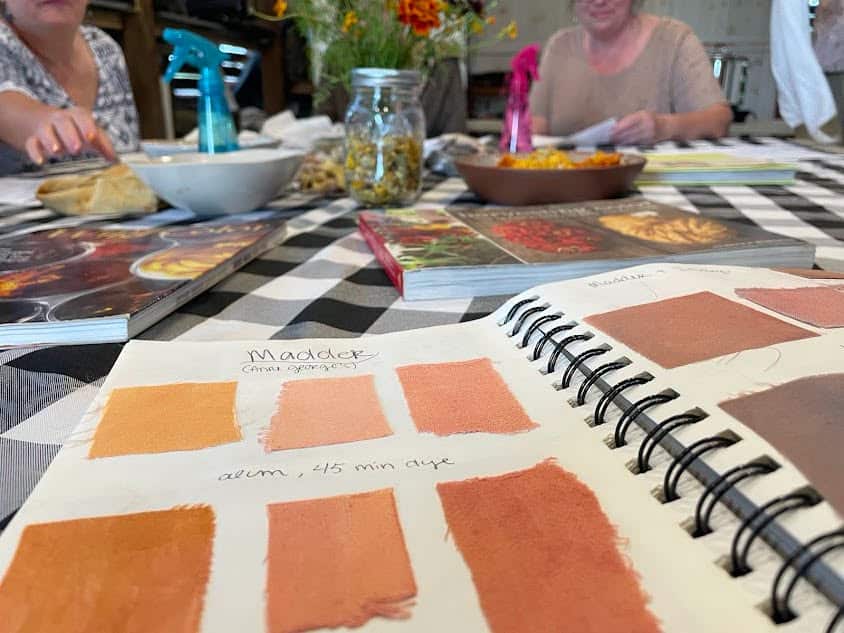
Petals to Patterns natural dyeing class
HFC also operates a popular community garden program with leased 20 feet by 20 feet beds available on a first-come-first-served basis. Leahy says, “It’s great for both beginner and experienced gardeners to engage with all the processes of gardening. Unlike community plots where you have to totally clean out everything at the end of the season, our returning gardeners can develop their plots over time, establishing them, growing food and winterizing them.”
Of all its goings-on, the Pawpaw Festival is HFC’s largest event and one that hits upon its primary aims of bringing the community together for conversation, learning and joy around environmentalism, foraging and native agriculture. The festival, celebrating North America’s largest edible tree fruit, was founded in 2004 by Dick and Judy Bono as a small-group, multi-course Slow Food dinner in York, focused on all-pawpaw dishes. Since then, it’s grown to a huge festival and fundraiser for HFC that draws thousands of visitors from the Mid-Atlantic region.
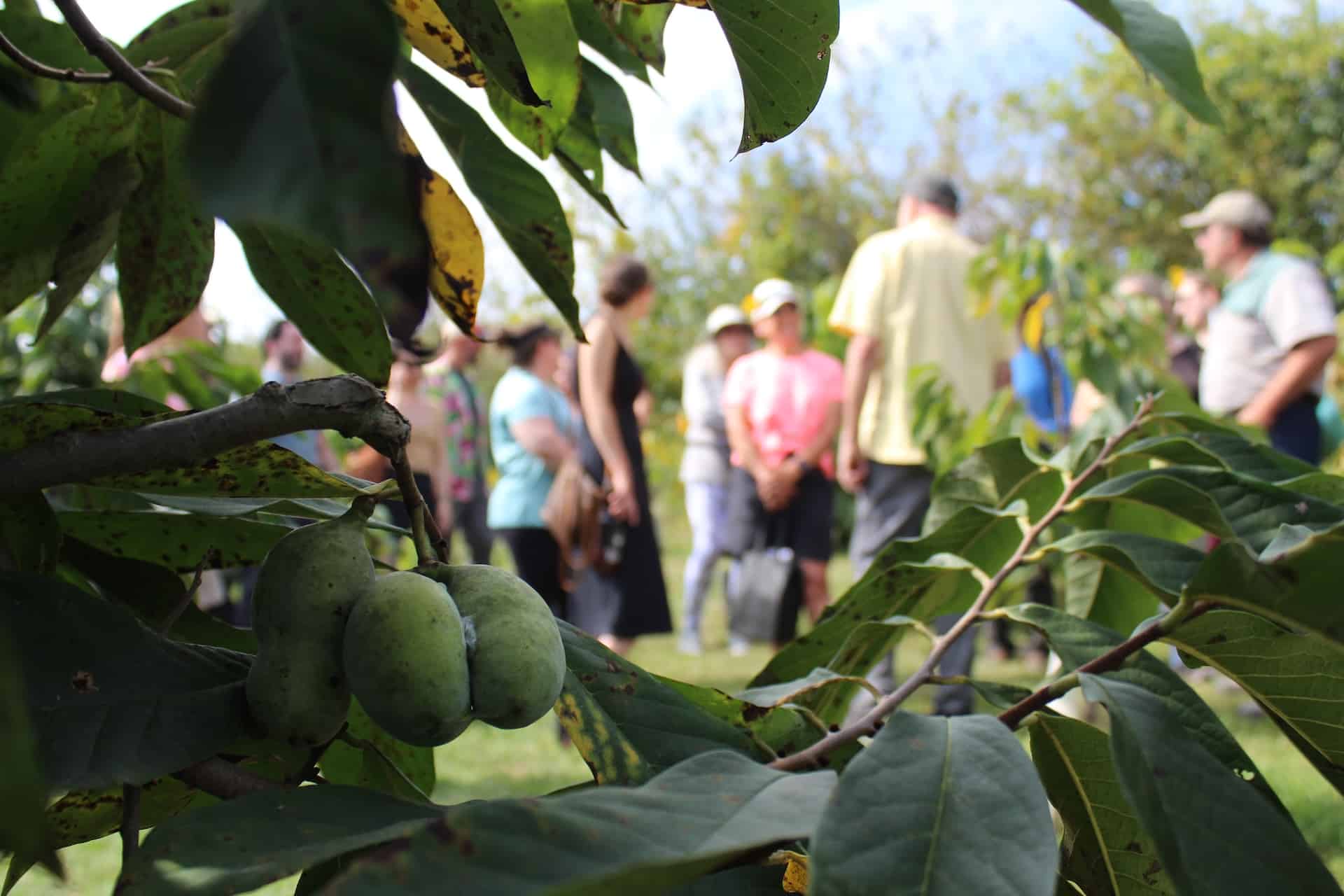
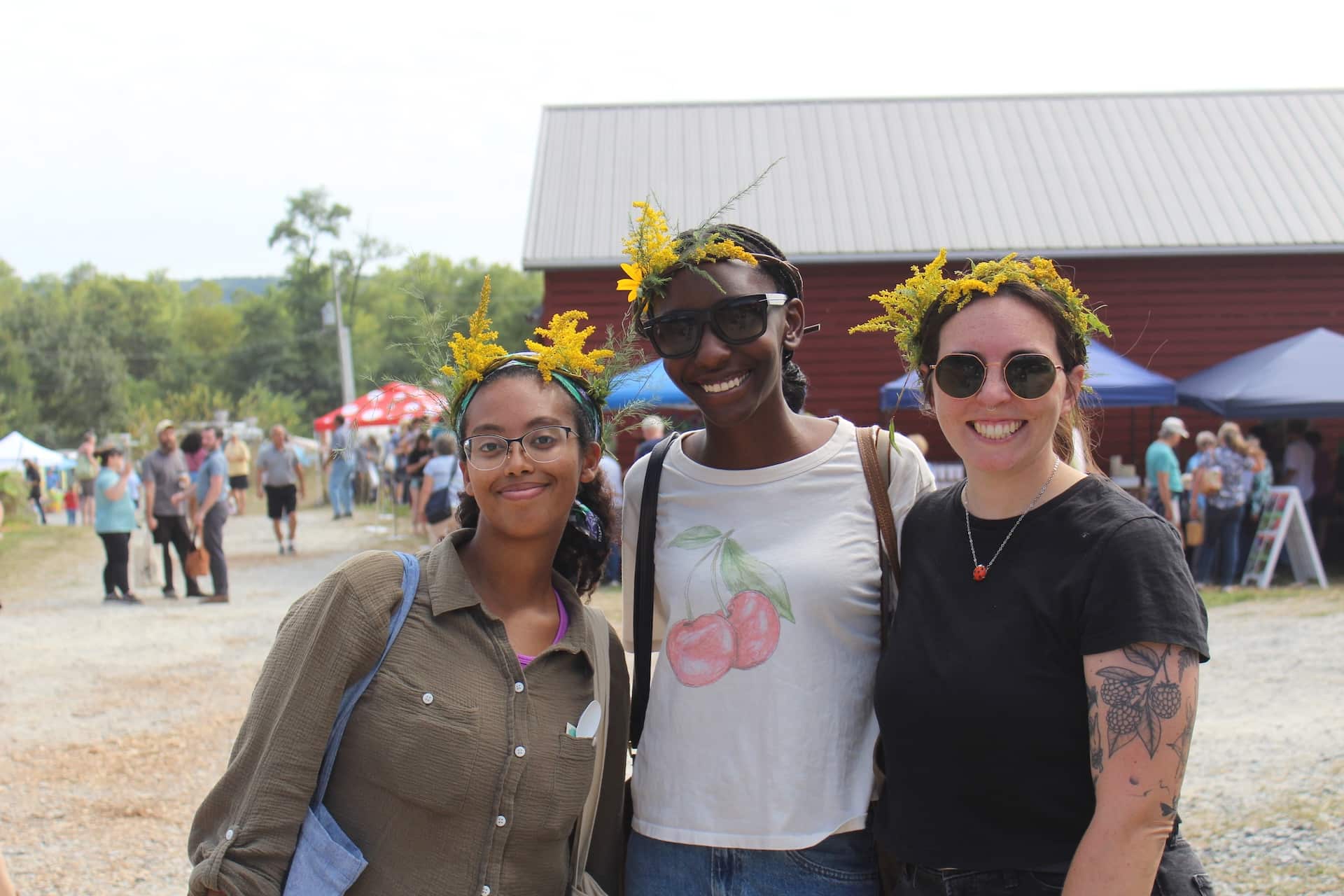
The pawpaw’s short ripening window and brief shelf life make this sweet, ephemeral fruit an an exciting local delicacy that Judy and guests like Liza Naylor of Locally Seasoned help others prepare and enjoy at the festival. Attendees will also find fresh pawpaw fruit aplenty and other unique, seasonal crops, pawpaw trees from local nurseries, small-batch, artisanal products and food from over 40 vendors. There are free talks, live music, kid activities and walking tours of the HFC pawpaw orchard to keep everyone connected and having fun. This year, it all goes down on Saturday, September 19 from 9 a.m. to 5 p.m.
The late spring frosts that widely devastated specialty fruits will impact HFC’s pawpaw harvest in 2026, and the organization plans to use this as a point of conversation. “The pawpaw festival is a way to share gratitude for this already short-lived, already unusual fruit that grows natively in our region, and we’d like to tune people into how it is a part of our wild ecosystems and how the availability of wild food changes, like any food, with aspects of the seasons,” Leahy says. “We’re going to feature other unusual and wild-sourced fruits and foods, and the vendors will sell pawpaw products and trees. It’s a wonderful gathering and an enjoyable way to wrap up the summer. So, we’re trying to encourage people to come for the pawpaws but stay for all of the other great offerings that the event provides.”
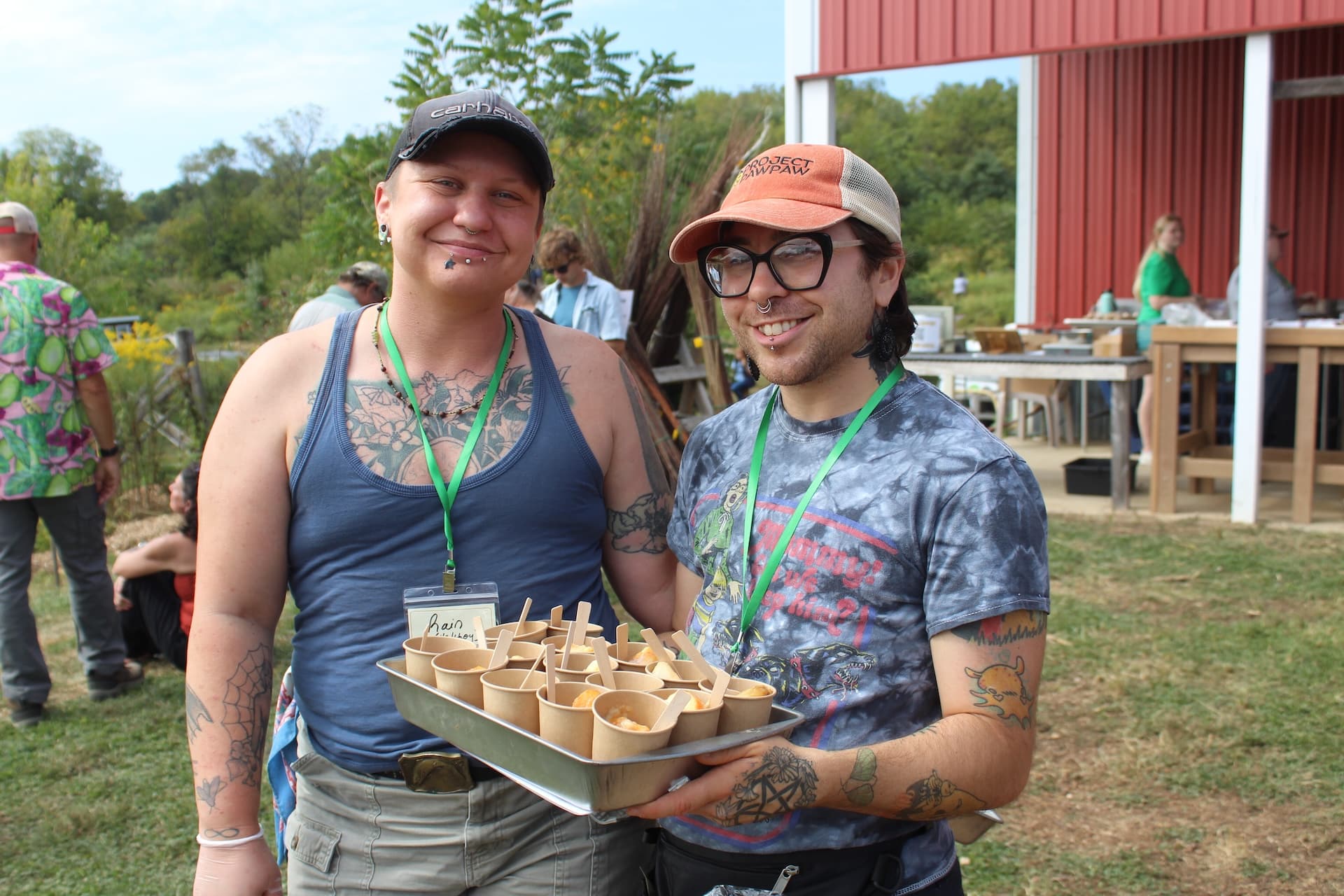
Since 2024, the Pawpaw Festival is tucked into a broader, four-day event called Wild & Uncommon Weekend, spotlighting the diverse ecosystems of local foods and experiences in the Lower Susquehanna region from September 17 through the 20th. Each day is chock full of guided adventures, tap talks, tastings and more. For eco-minded foodies, it’s not to be missed
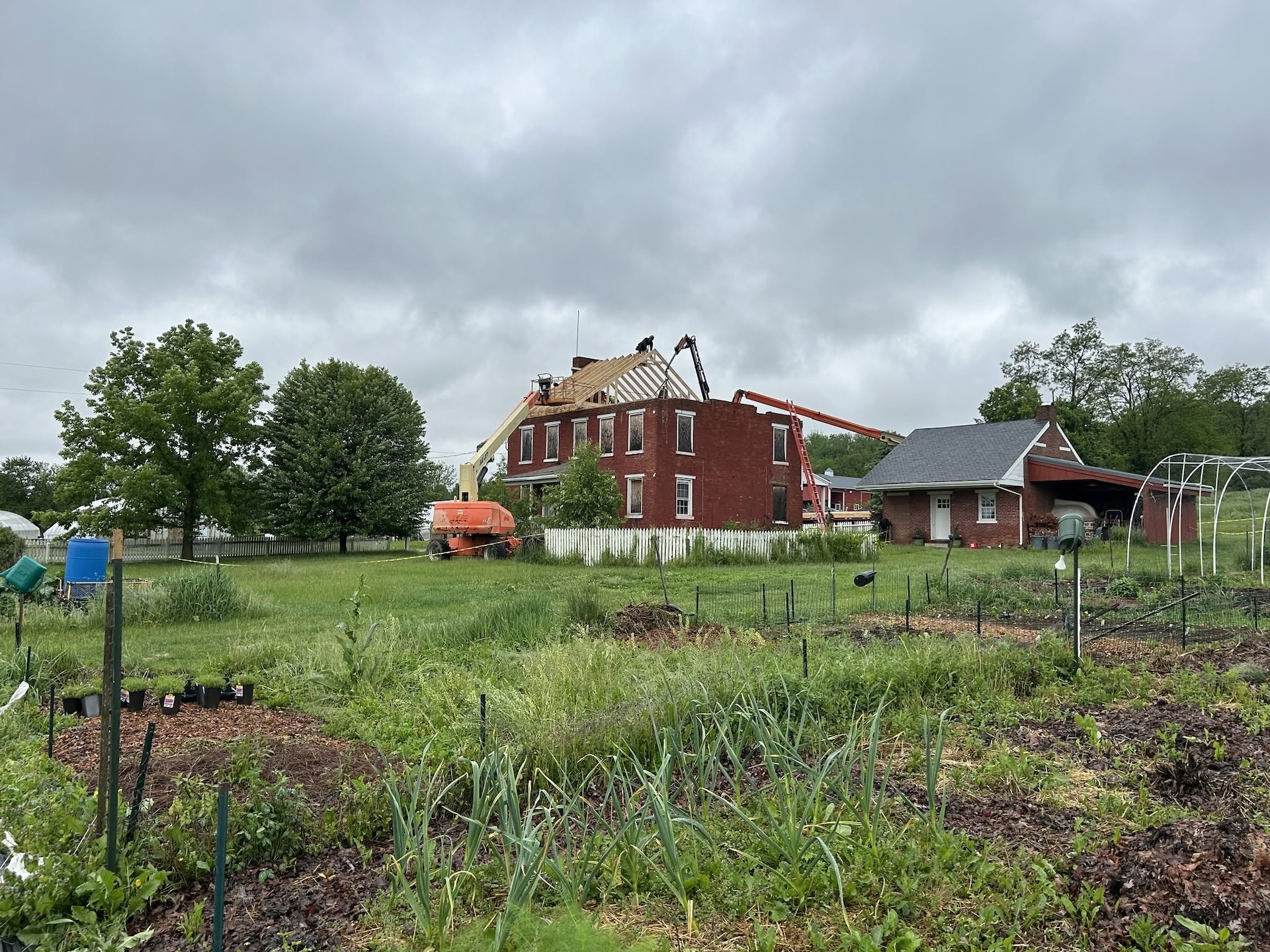
In 2026, HFC completed two extraordinary projects that fuel its mission of providing ecological learning, stewardship and hands-on experiences for the greater local community. In the spring, HFC opened the doors to its restored Farmhouse and Education Center, a project to revitalize and reimagine an 1840s farmhouse that experienced a catastrophic lightning fire. “It was devastating, but we also saw potential to transform the farmhouse into something that would better reflect what we’re doing as an organization,” Leahy says. “The rebuild really unites three goals. The first is historic preservation. It was a completely viable option for us to just knock down the farmhouse and start anew, but people were advocating for its preservation so we did that to the best of our ability. The second goal is green upgrades. The building now has a solar array, water catchment cisterns supporting our community gardeners, sophisticated insulation for energy efficiency and Energy Star appliances for a lower carbon footprint. The third goal was to create classroom space. The entire first floor of the farmhouse has been opened up and includes a presentation screen and kitchenette for demonstrations. Now we have more adaptability in case of bad weather and the site is completely ADA accessible.”
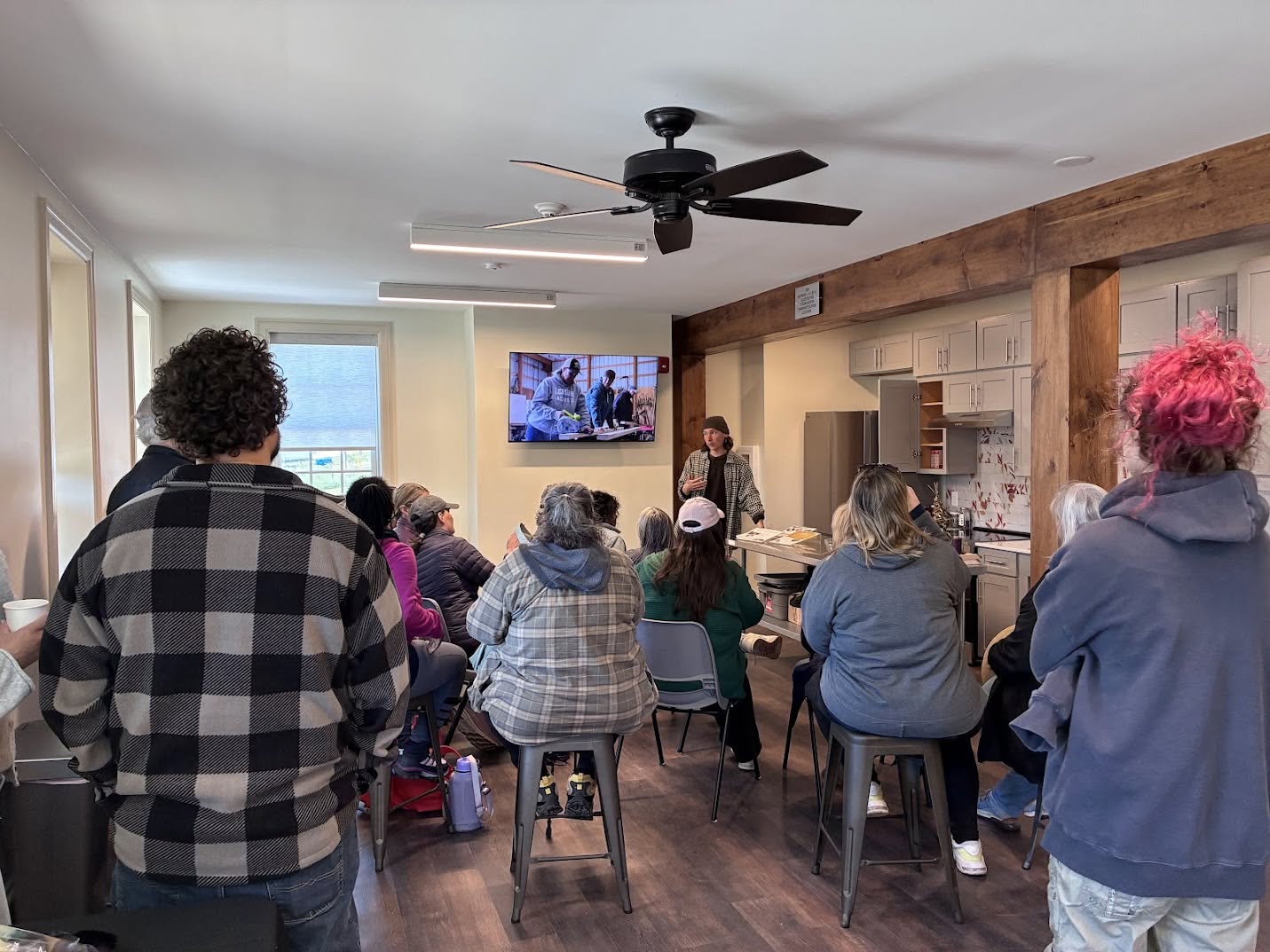
A class in the restored farmhouse
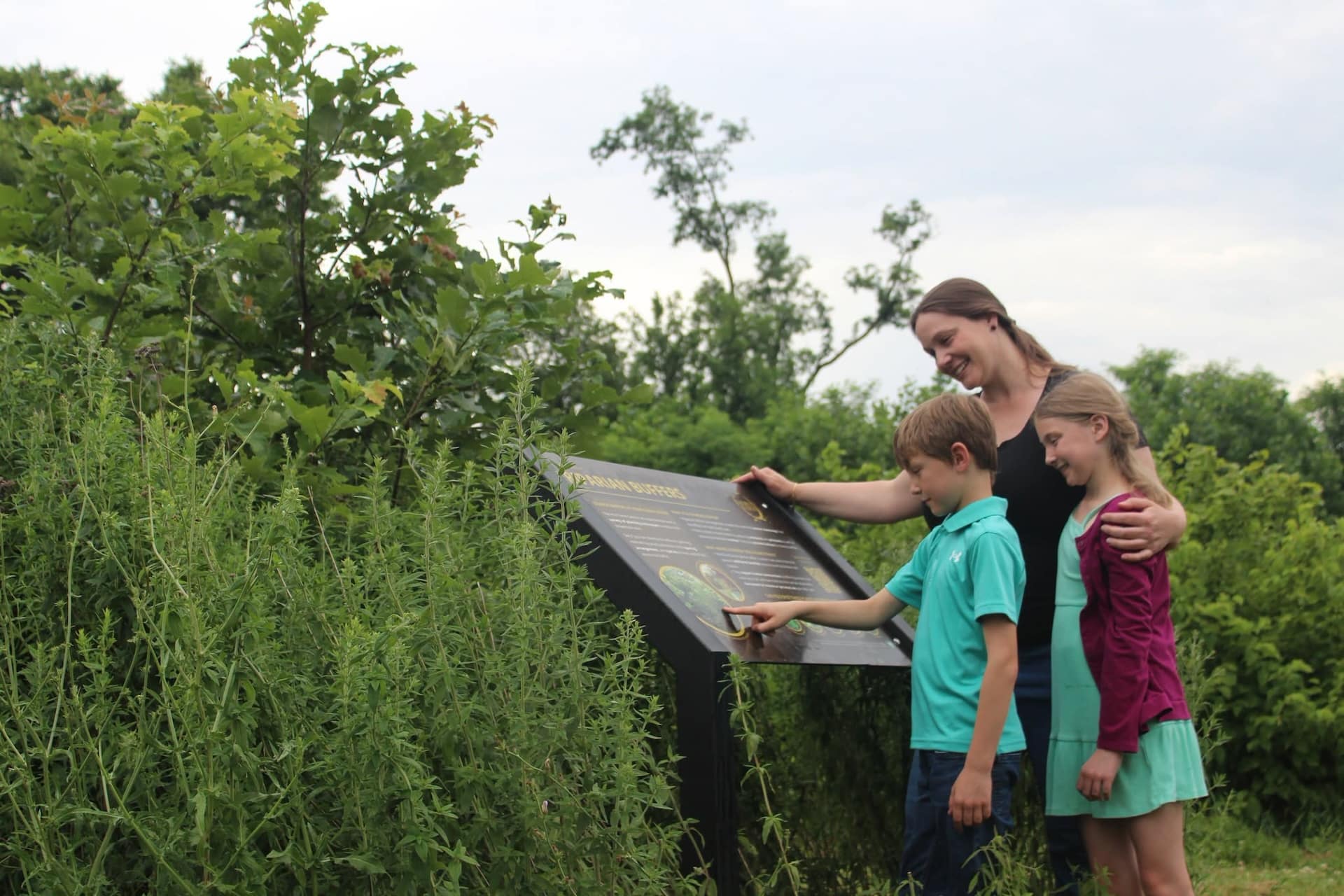
HFC also launches self-guided tours in September, 2026. Leahy says, “We are ultimately county land – a public space. But it hasn’t necessarily been clear to people in the past that this is a space where they can come and walk at their leisure.” The new, self-guided walking tours allow guests to follow a long, interpretive trail loop of the landscape with signs detailing its history, plants, agroforestry, regenerative farming, environmental restoration and pawpaw orchard as they go.
HFCS is preserved as green space into perpetuity, which Leahy says “allowed us an organization to become more visionary and ambitious.” In a time when the climate and local food systems are in flux and at risk, the organization’s focus on regenerative and sustainable agricultural practices sets it apart as a leader in forward-thinking solutions. And, amidst the agricultural splendor of south central Pennsylvania, it’s well placed for such idea generation. “We’re in an interesting position here,” Leahy says. “We’re providing a different lens towards farming, growing and providing, and we’re expanding people’s imagination of what farming can be.”
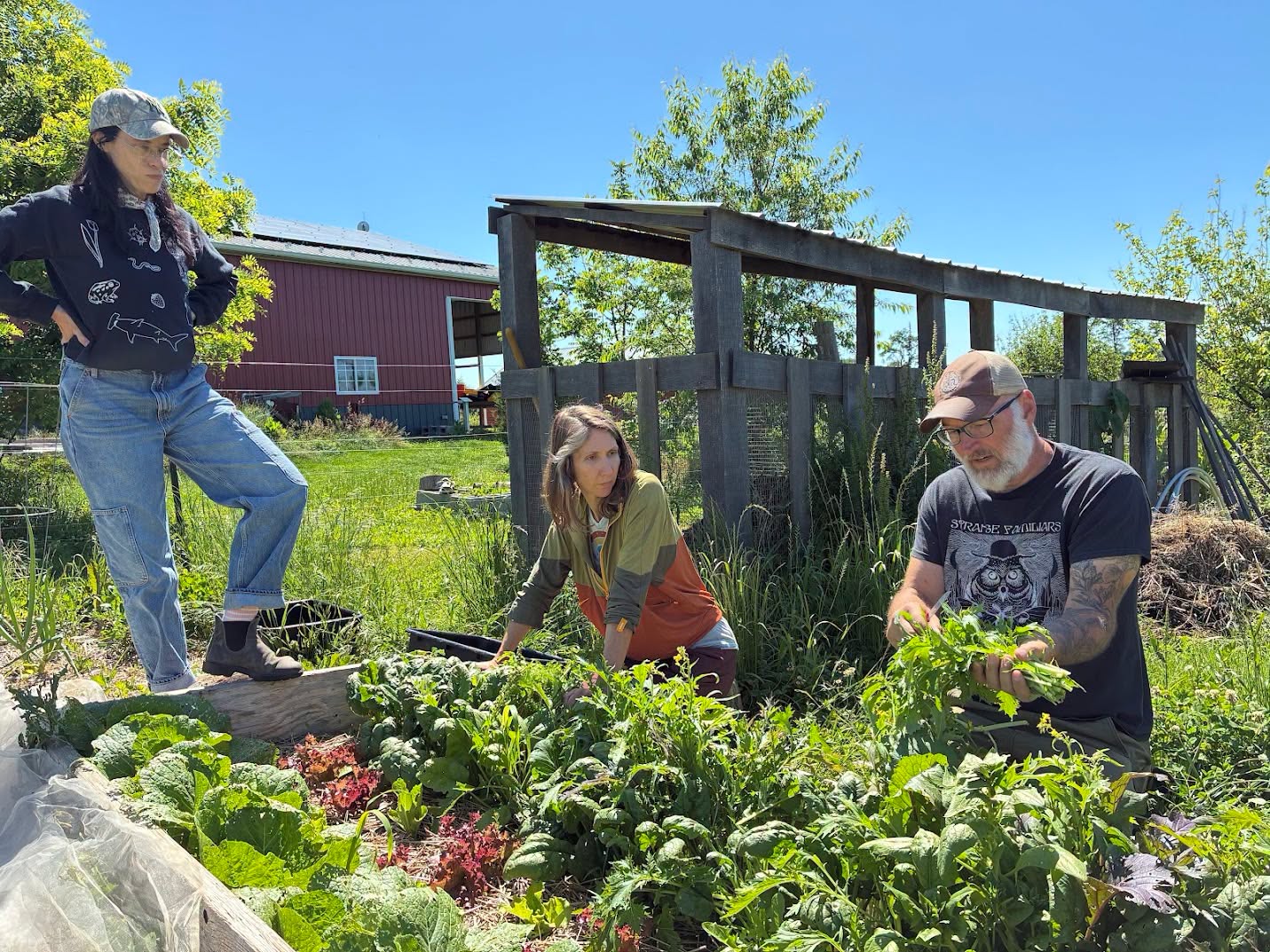
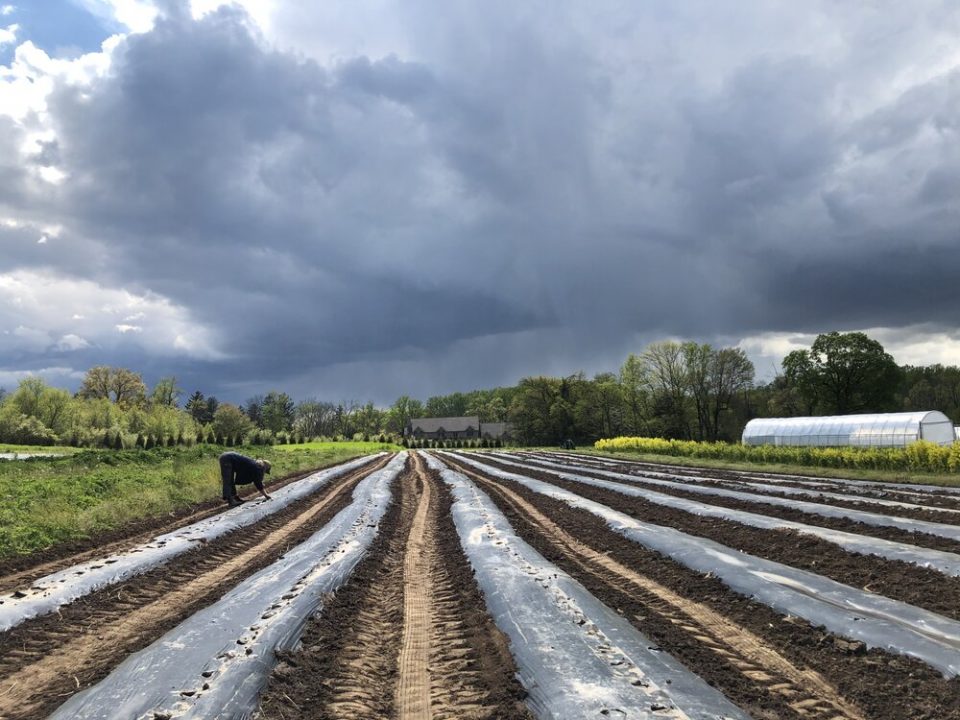
Regenerative Grower Training Program
Visit Horn Farm Center for Agricultural Education at 4945 Horn Rd., York; (717) 757-6441 and follow it on Facebook and Instagram to stay in the loop. You can learn more about the Pawpaw Festival and Wild & Uncommon Weekend and get tickets here.
- Photos: Horn Farm Center