We might not think of eating acorns, black walnuts or hickory nuts. But many of the round, hard-shelled seeds that fall like rain from the canopy above each autumn are actually edible, delicious and highly nutritious. The Keystone Tree Crops Cooperative (KTCC) is part of a modern agricultural movement combining native American knowledge with permaculture practice, and they’re zeroed in on the tree nuts of Pennsylvania. “Really, all that we’re doing is relearning what the Natives already knew,” says Ryan Kudasik, the organization’s Networking Director.
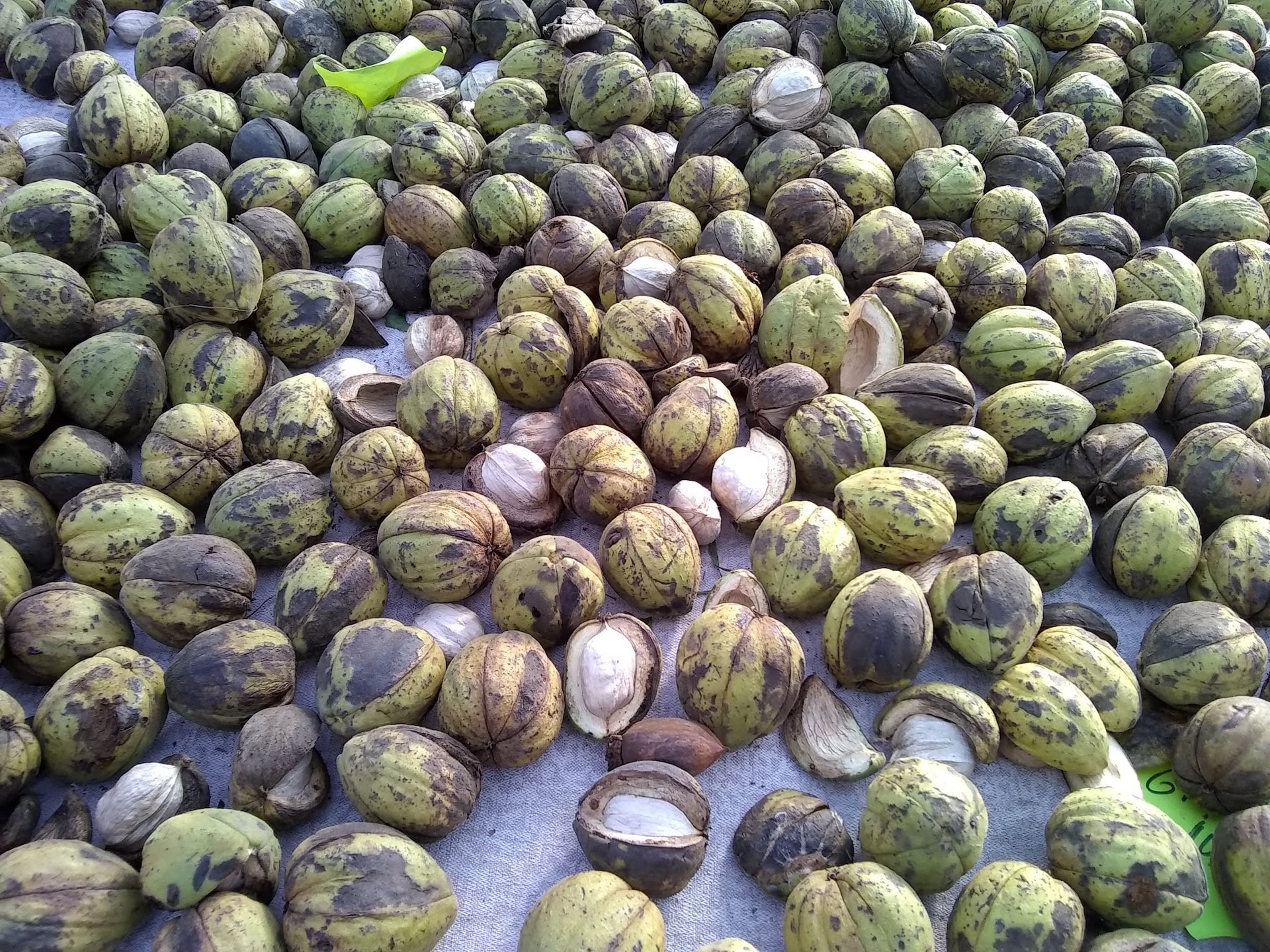
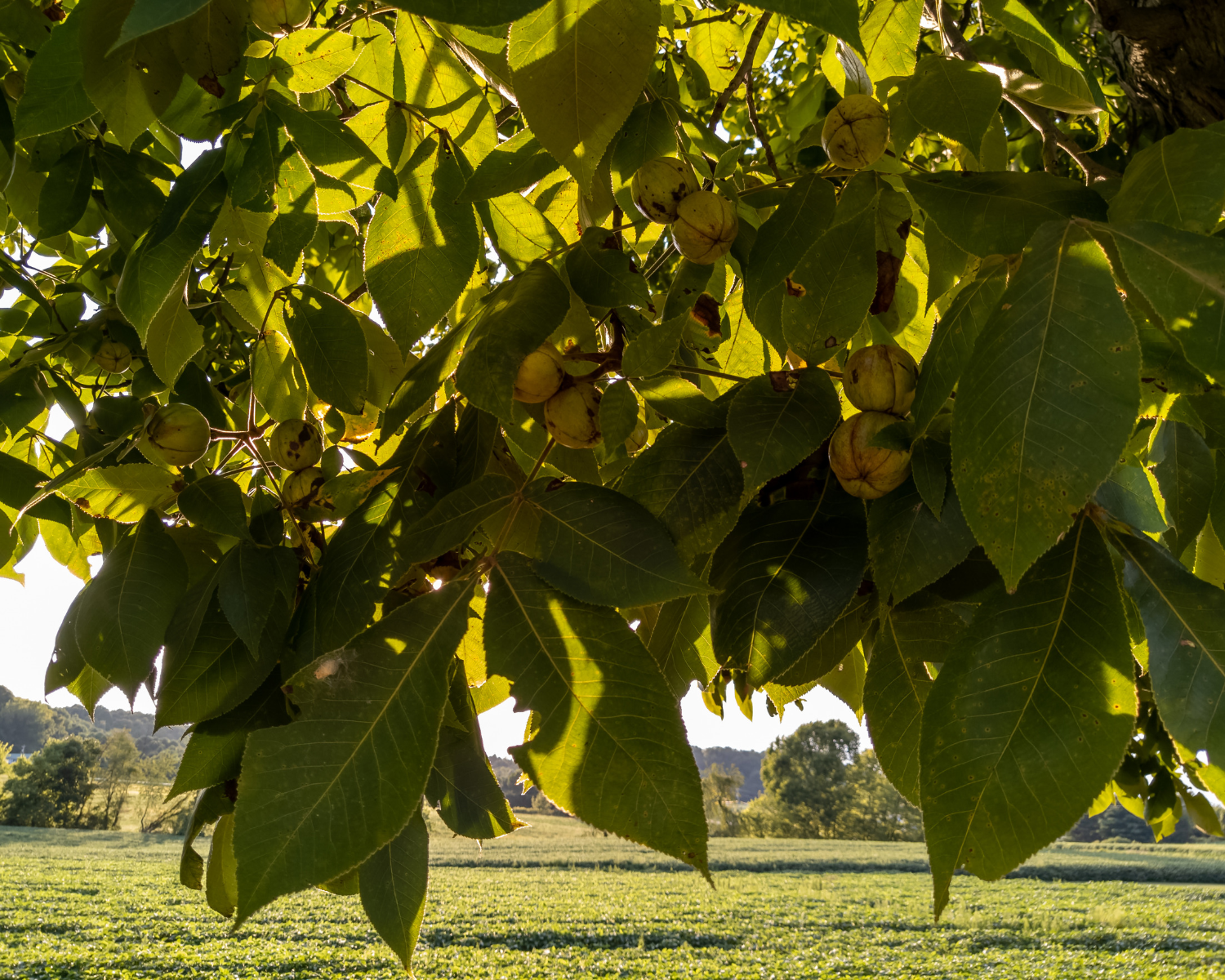
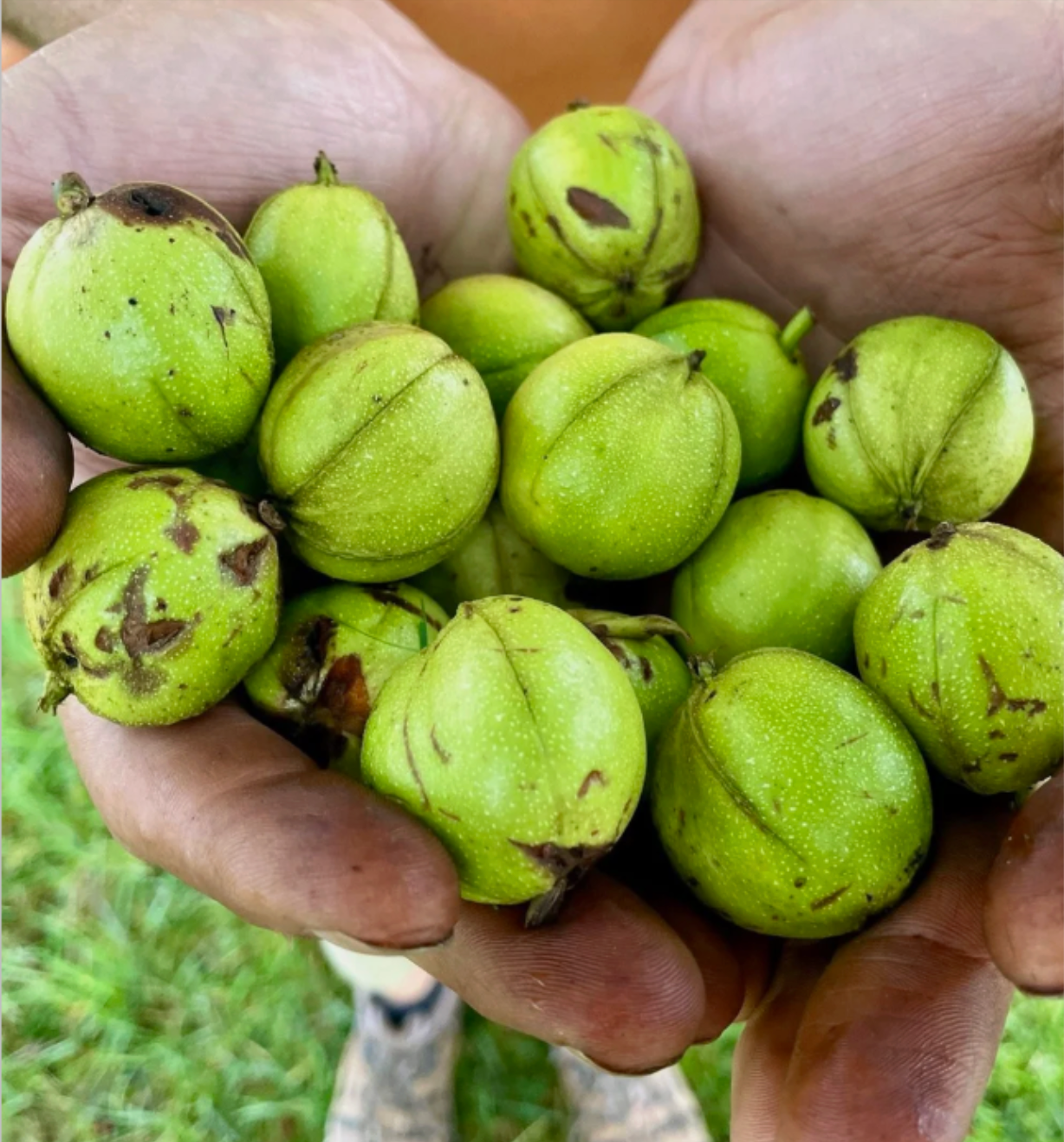
Hickory nuts in husk
Kudasick joined this Pennsylvania-based cooperative as a founding member in 2021, and currently throws his passion and energy into helping the organization grow and expand. “Our goal is essentially to create a cooperative for the supply chain of the nut product,” he says. Tree nuts can be farmed or foraged, and KTCC is set up as a reliable, ongoing purchaser (or market) for those nuts, which it then processes and redistributes as culinary goods.
Tree nuts were essential to the diets of Indigenous people, who consumed a wide variety of wild nuts, prizing their nutmeat and rich, fatty oils. Harvested in the fall and notoriously difficult to crack, Native Americans would typically crush batches of them before boiling and straining them for the milk and buttery oil extraction. “They made a nut milk out of hickory,” Kudasik says. “They would pulverize hickory nuts into a powder and basically steep it. The oil and nuts float to the top and, with the right ratio, you’re left with a really delicious ‘oil lite’ or hickory milk.”
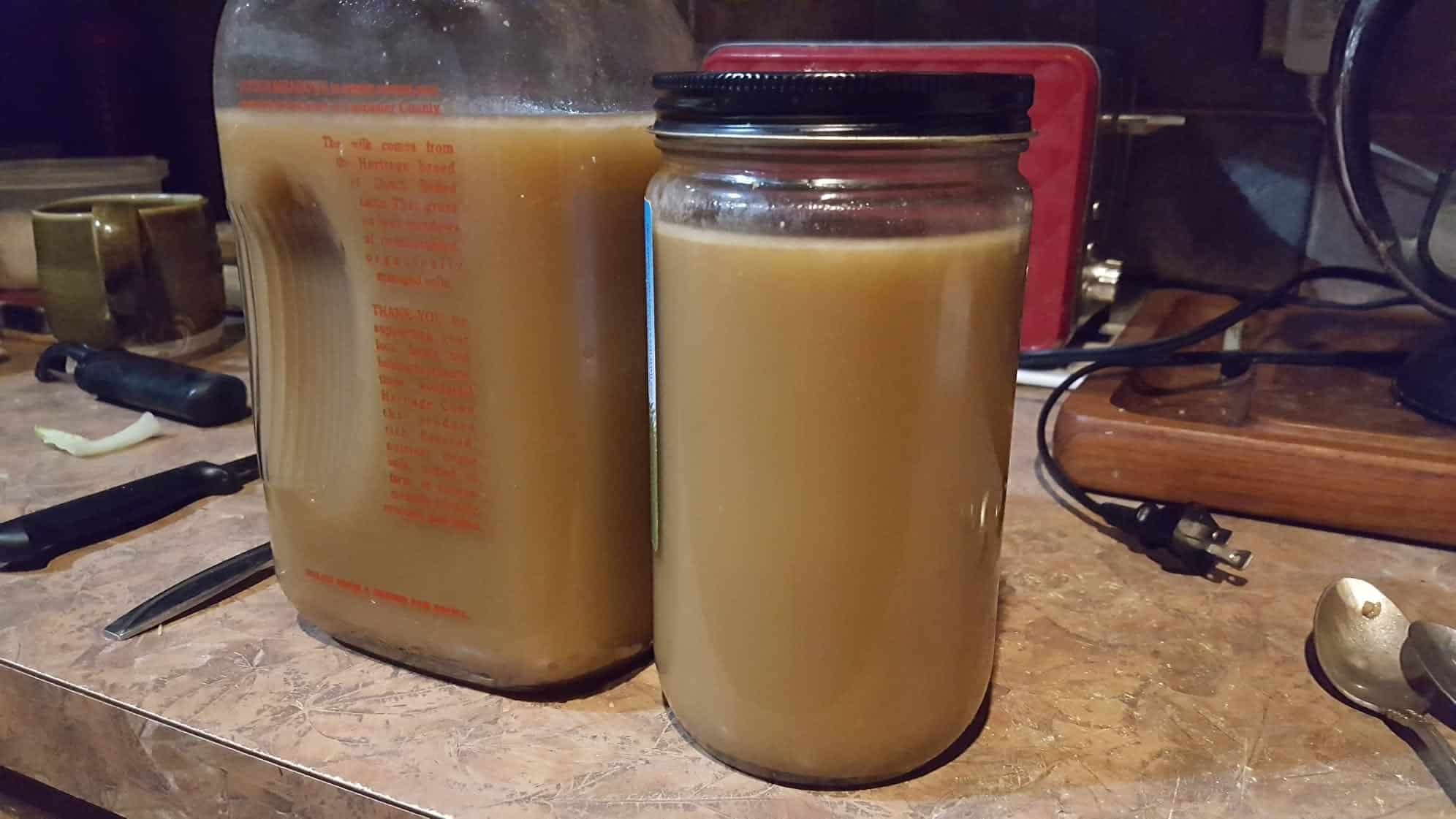
Hickory nut milk
The abundance of tree nuts growing wildly throughout Pennsylvania includes acorns, hickory nuts, chestnuts, black walnuts, butternuts, beechnuts and hazelnuts. Acorns, from oak trees, are the most plentiful, while hickory nuts are the second most common. There are some 20+ species and subspecies of hickory (Carya spp.), including yellowbud (aka bitternut), mockernut, pignut, shagbark and shellbark.
Wild tree nuts are nutrient-dense whole foods, full of healthy fats, plant protein, fiber and beneficial bioactive compounds like fatty and alpha-linolenic acids. Some, like the yellowbud (bitternut), have an incredibly bitter flavor when eaten raw, yet lose that tannic astringency when pressed for oil like KTCC’s Hickory Nut Oil, which is smooth as silk! Black walnuts and acorns are also quite bitter when raw, but shellbark, shagbark and mockernut nuts can be enjoyed right off the forest floor (when free of weevils and mold, of course).
Kudaski recalls his first meaningful encounter with tree nuts, which sparked his enduring interest. “I was on a hike in New York in the autumn of 2014, and I had a bunch of time to kill,” he says. “I found these nuts laying on the ground and didn’t know what they were, but took a bunch home and just started cracking them and eating them. It turns out they were shagbarks – Carya ovata – and they were incredible. I’d never had anything like it. I couldn’t believe that such a delicious nut was just dropping to the ground and rotting.”
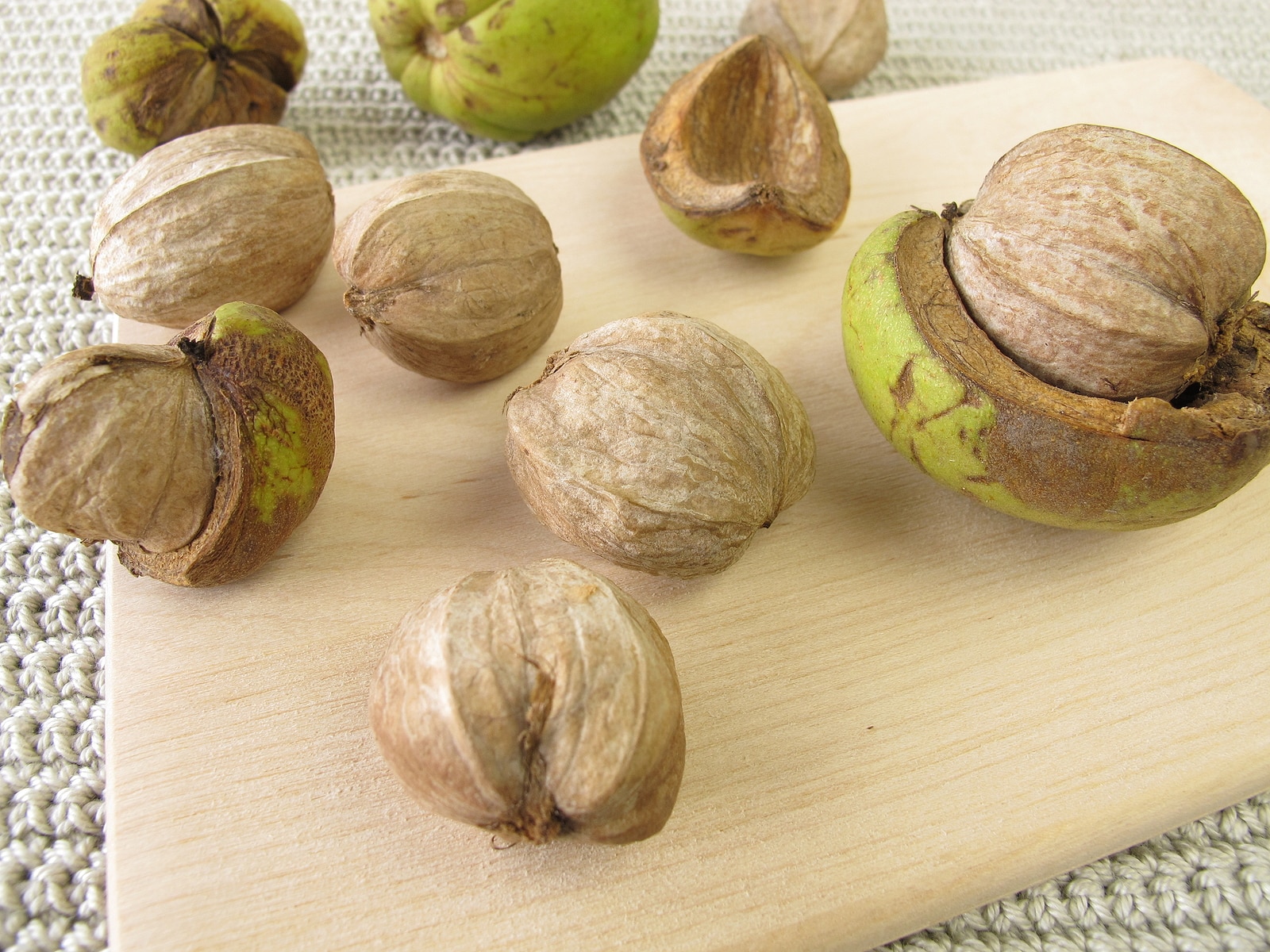
Shellbark hickory nuts
When he moved to Pennsylvania, just outside of Gettysburg, his tree nut interest factored into his choice of home. “One of the main selling points of this property is a huge swath of hickories,” he says of his current residence. He began gathering and selling the hickory nuts, even acquiring the domain name HickoryNuts.com. “It cost me as much as my car,” he says, “but it was worth it.”
Not long after, he connected with tree nut experts Zach Elfers of Future Forest Plants, Sallie McCann Tupper of Elder Oak Forest Farm and Robbie Coville of Trees for Basic Needs and the PA Department of Conservation and Natural Resources. “The co-op was really the brainchild of three of them,” Kudasik says.
KTCC’s vision is to introduce a model of tree crop livelihood in Pennsylvania and the Mid-Atlantic. It aims to unite the interconnected classes of producers, gatherers, processors, distributors and enjoyers in a healthy, sustainable supply chain.

From a production standpoint, KTCC’s recent focus has been on chestnuts and hickory nuts. The chestnuts are sold as whole culinary chestnuts, which can be enjoyed roasted and in a seasonal salad, while the yellowbud (bitternut) hickory nuts are pressed into oil, KTCC’s signature product. The KTCC team rented an old winery space from Brian Scott of Deep Hollow Forest Farm and accessed grant funding to purchase a press and other infrastructure. Now, it’s all about scaling up.
“The last two years, we’ve basically doubled our production,” says Kudasik. “We brought in 2,500 pounds of yellowbud hickory nuts in 2025, and this year we’re hoping to have six times that.” In 2026, KTCC aims to purchase 15,000 yellowbud hickory nuts and 2,500 pounds of culinary chestnuts in addition to shagbark hickory nuts.
The processing and distribution arms of the supply chain depend entirely upon regional nut production and gathering, which KTCC works to strengthen. While there are currently no yellowbud hickory orchards in PA, the organization offers up to $7.50 a gallon for grade A culinary chestnuts and yellowbud hickory nuts, and plans a number of yellowbud nut harvesting events in the fall. Guests learn about identification and harvest techniques while plugging into the operation. The organization also other PA tree nuts like hazelnuts throughout the year.
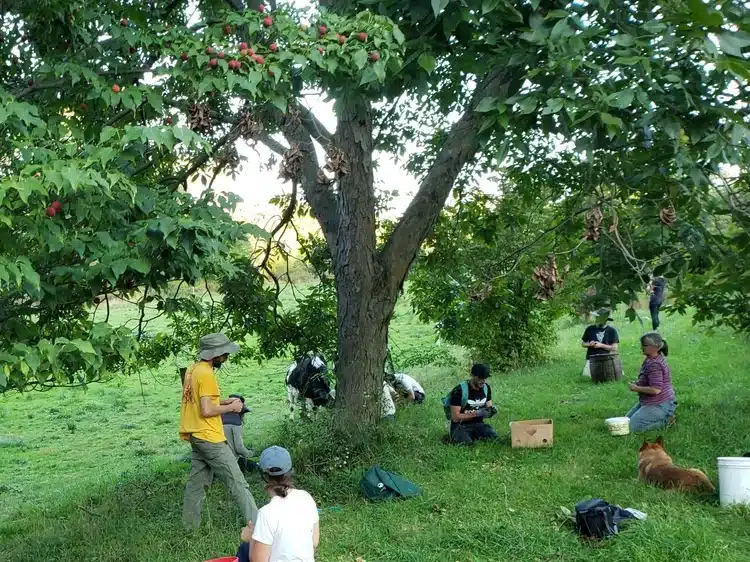
A KTCC gathering
Those interested in harvesting on their own can utilize KTCC’s free harvesting guide. Find trees near you with the Yellowbud Hickory Dashboard, a database by the Hudson Valley Farm Hub, or with iNaturalist, a free, searchable user-led database. Kudasik is also personally mapping hickory trees in the Adams County area, a project he started in 2020. He’s cataloged some 7,800 trees and counting.
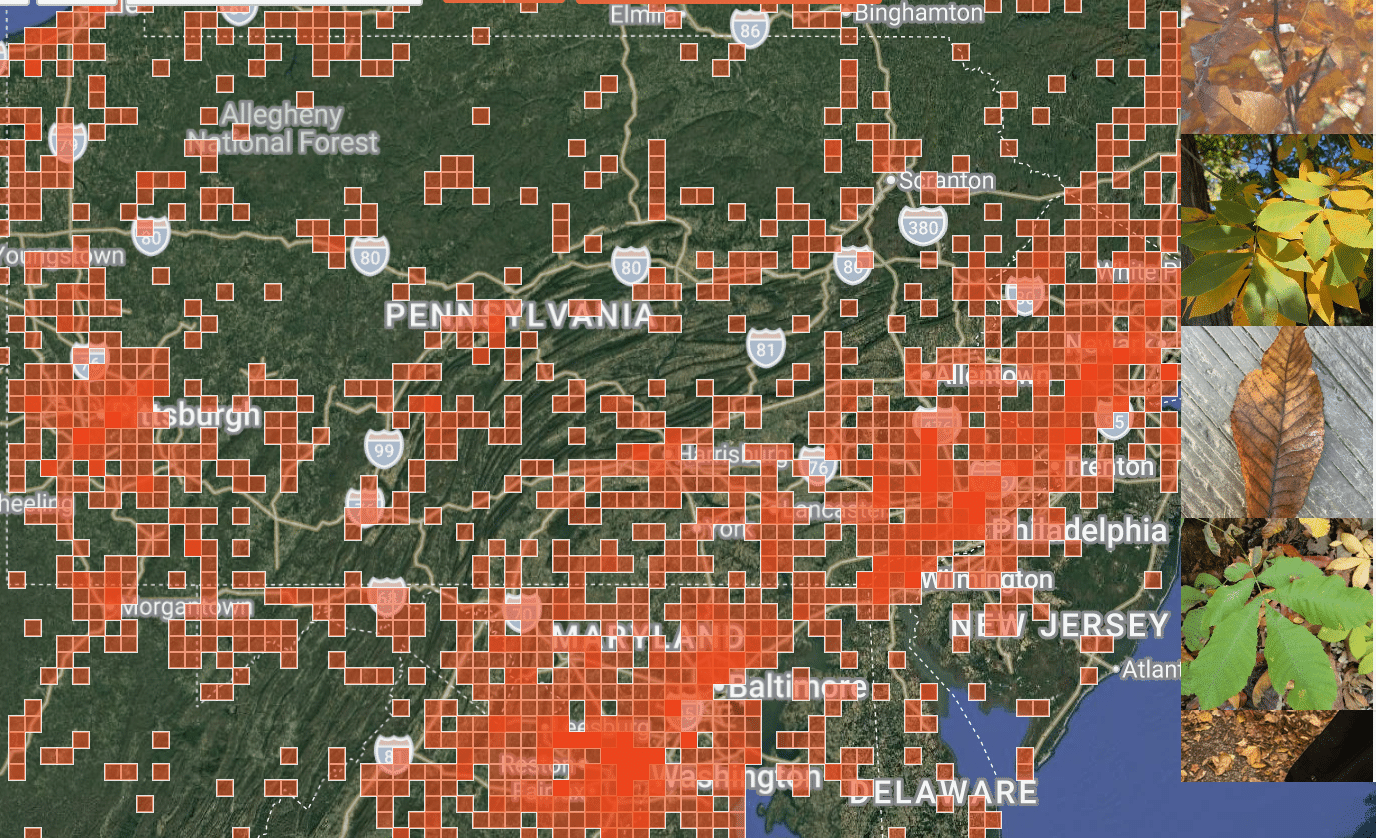
iNaturalist map of yellowbud (bitternut) trees
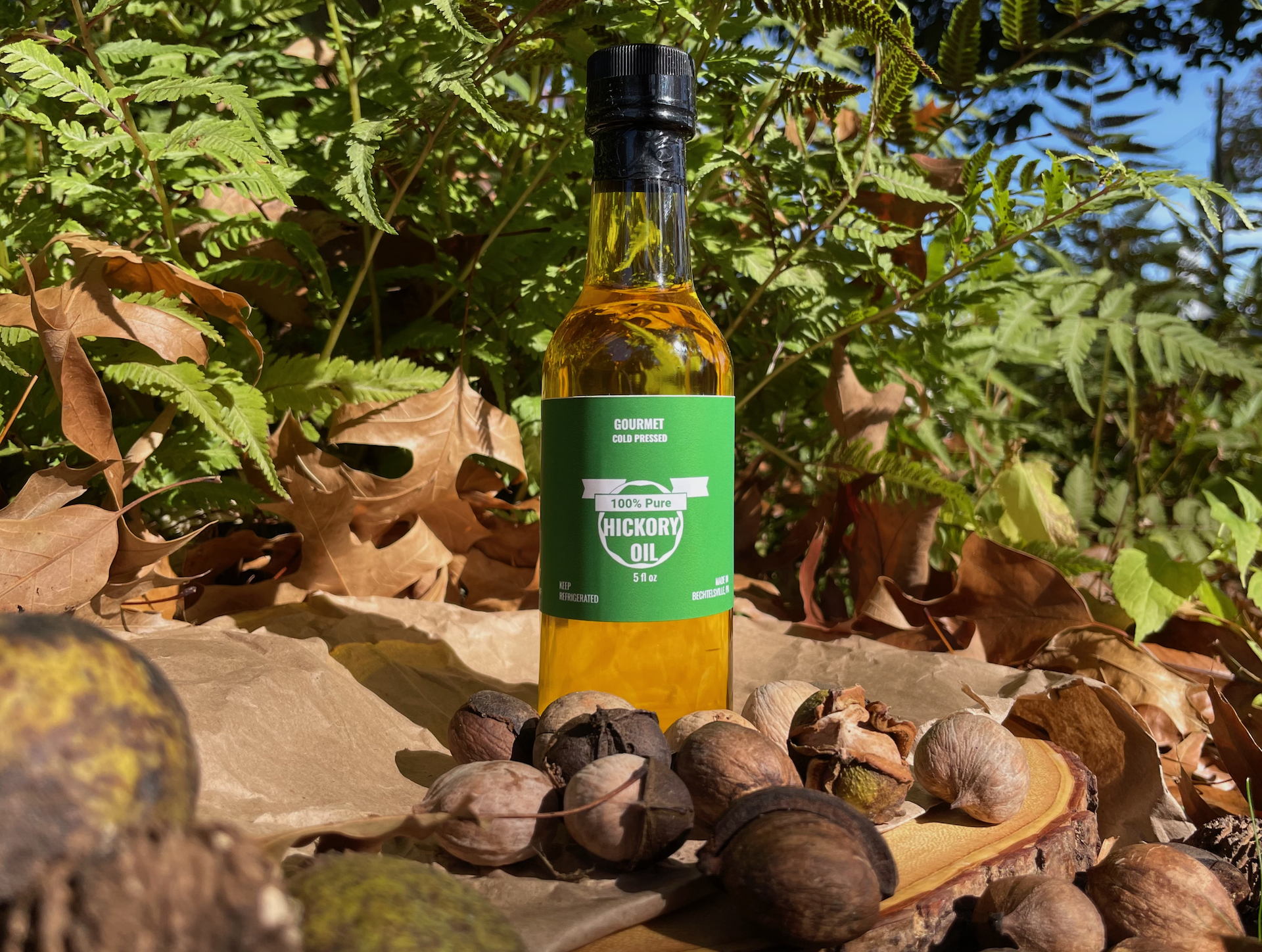
One tasty result of this statewide effort is KTCC’s yellowbud hickory oil, currently sold through KTCC’s website. It’s mild, smooth and faintly nutty with a fatty acid profile akin to olive oil. It also has a very high smoke point (around 450 F), making it versatile in the kitchen for sautéing, frying and roasting. The gentle, neutral flavor makes it a nice choice for finishing pasta and vegetables or dipping into with crusty bread.
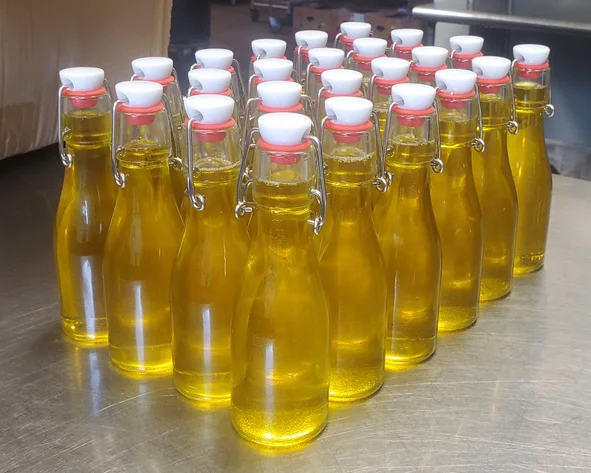
Kudasik says, “One of the great things about it is that it can go both savory and sweet. It’s nutty, a little maple-y and sort of buttery with a thicker, viscous mouth feel. I’ve put it straight on my oatmeal, yogurt and salad, smeared it on a banana and sautéed French toast with it.”
“The fact that you can press this rich, buttery, nutty oil out of the bitter nut is incredible, but it’s also our biggest challenge,” he says. “People have seen that tree as almost a junk tree – a nuisance, just dropping disgusting nuts on their car. So we’ve got to change people minds and help that realize that this is something high-value that you can sell us. I think people love the idea of getting out into nature and trying to reclaim something that would otherwise be wasted. And, in this sense, they can make real money. That’s why I love selling hickory nuts. It just feels like a good, honest, right livelihood.”
To learn more about the Keystone Tree Crop Copperative, visit its website and follow it on Facebook and Instagram. Learn about membership categories and opportunities here and order hickory nut oil or culinary chestnuts here.
- Photos 1, 2, 7, 9 and 10: Keystone Tree Crop Cooperative
- Hickory oil in sun: Leigh Green
- Roasted chestnuts: Dish Works
- Shellbark nuts: Bigstock
- Shagbark tree/nuts: Canva