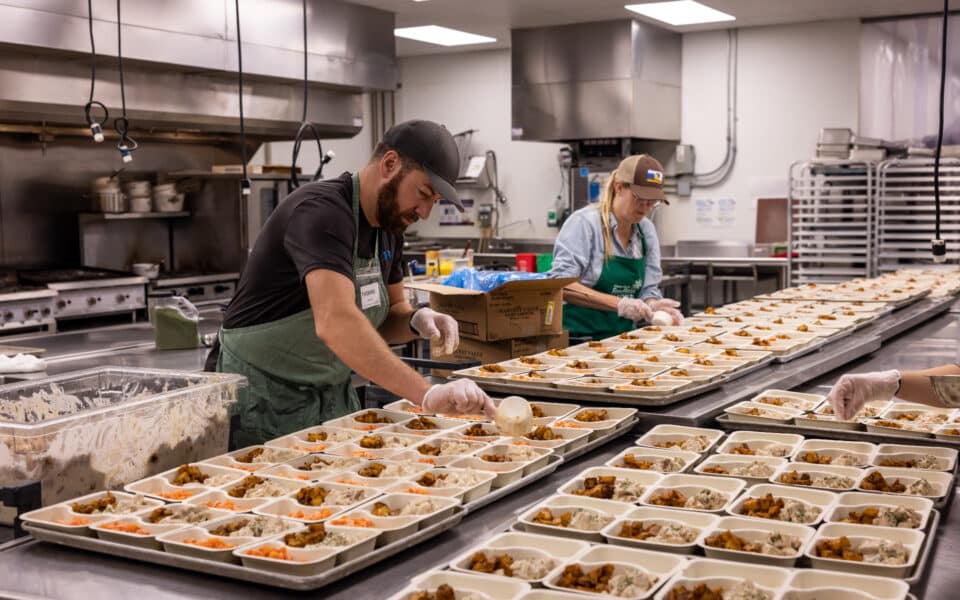
You’ve probably noticed: beef is expensive. As food costs rise nationwide, this American staple has surged well beyond regular grocery inflation. Beef prices are up roughly 10% in a year, with a record-high $6.89 for a pound of ground beef in 2026. Pennsylvanian consumers and beef farmers alike are feeling the impact and trying to adapt to an ever-changing market.
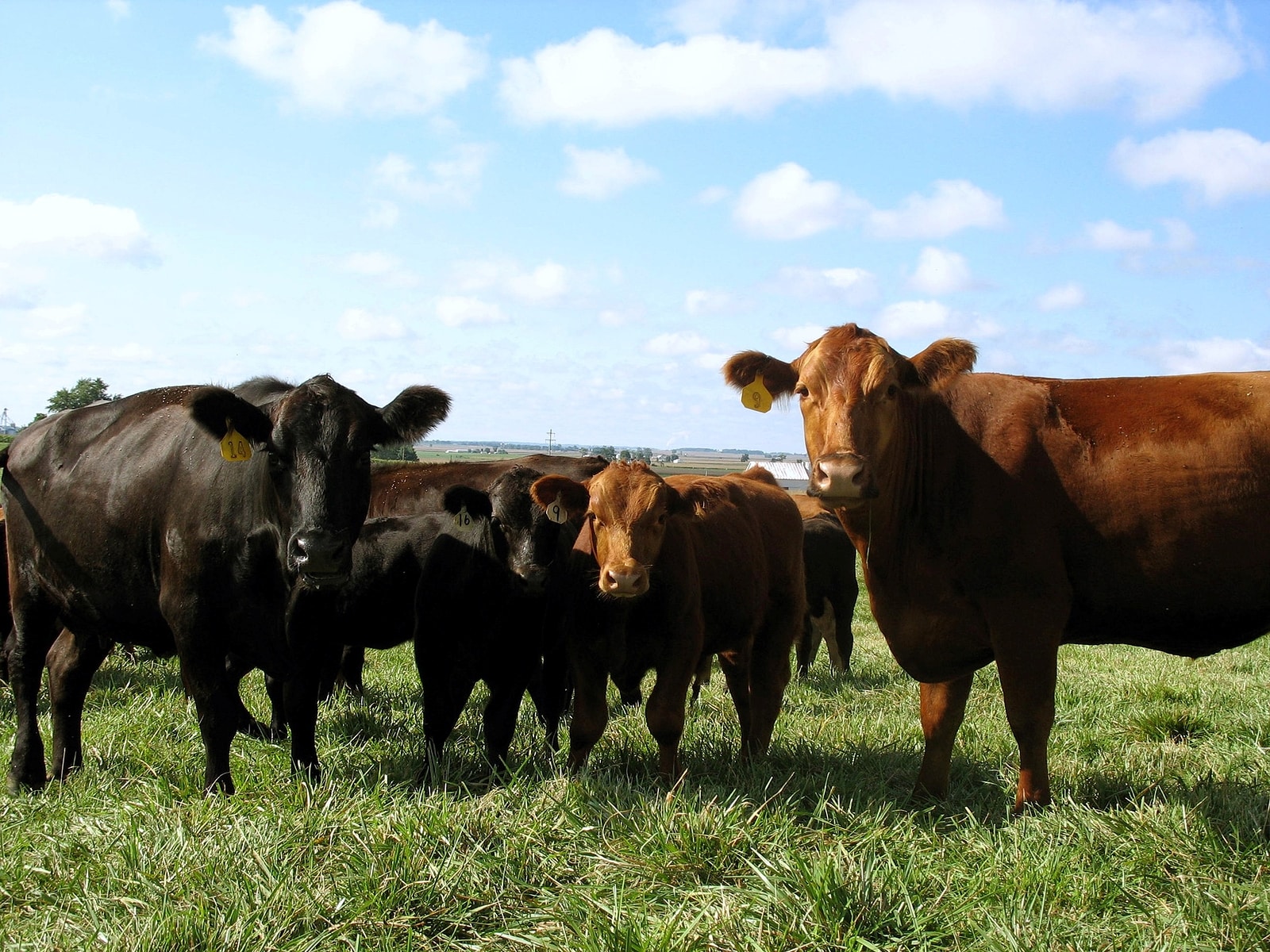
Let’s take a look at why beef prices are so high, the ways farmers are responding, and how you can support beef farmers while watching your wallet. Hillary Makens, Senior Executive Director of Public Relations for the National Cattlemen’s Beef Association, and Will Whisler, Director of Communications for Pennsylvania Farm Bureau shared their insight into some of the industry’s recent challenges as well as ideas for consumers to continue enjoying Pennsylvania beef.
The State of Steak
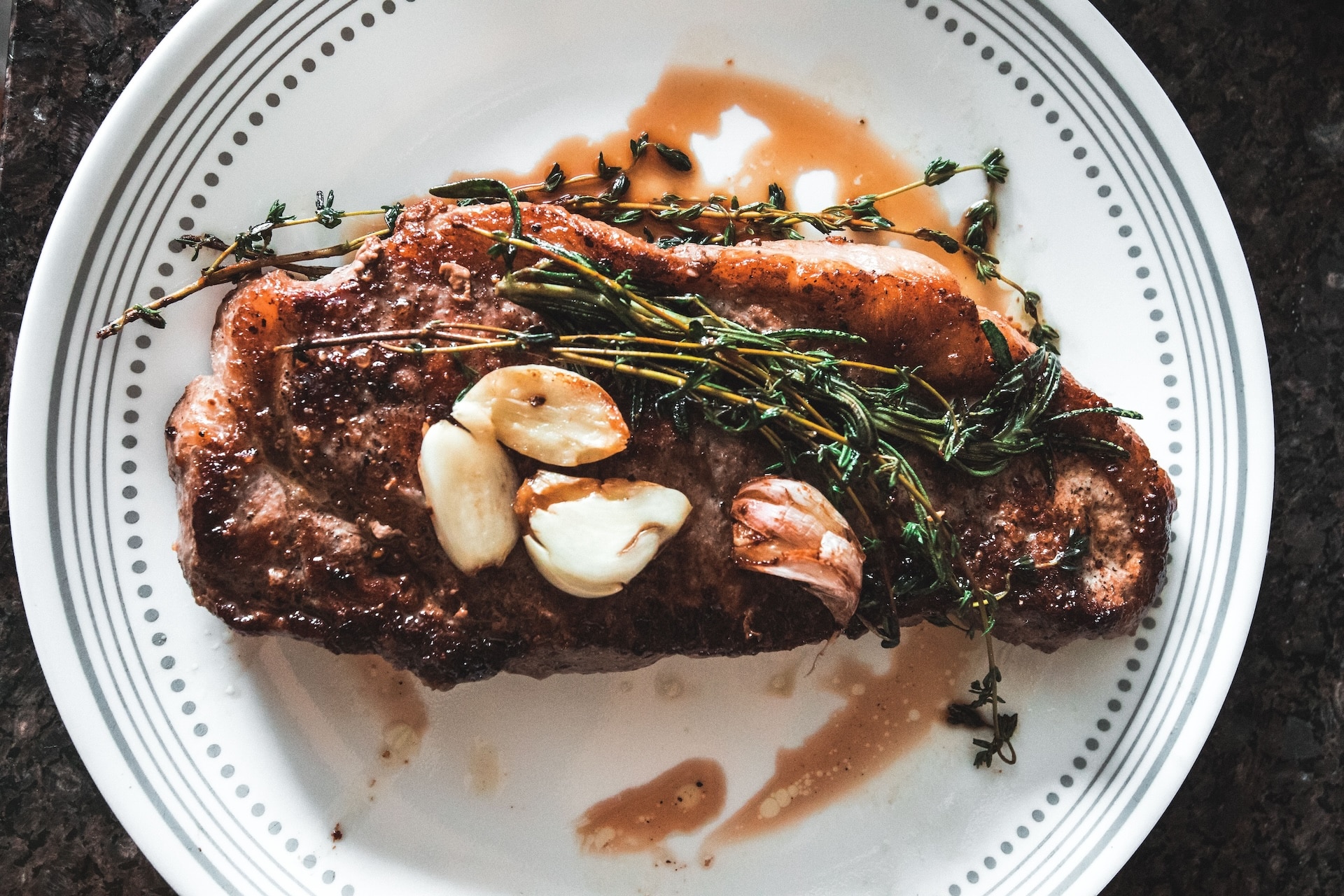
Put bluntly, the beef industry is in trouble. Herds are at historic lows, with U.S. cattle inventory at its smallest size in 75 years. Skyrocketing operational costs and federal tariff policies have further debilitated farmers, who also faced the 2026 closure of a major regional slaughter and processing plant in southeastern Pennyslvania.
Cattle farm operations are expensive, from feeding the animals to equipment parts and infrastructure needs. Many cattlemen rely on agricultural loans for farm operations and expansion, which have become significantly more expensive in recent years. Additionally, in regions like the Great Plains, Midwest and Western U.S., major droughts have created untenable conditions, forcing farmers to sell off steers and heifers for financial survival. Yet heifers, young female bovines that have not yet reproduced, are critical to rebuilding herds, already a multi-year process.
Another major blow to the industry came with federal importation of foreign beef in September, 2026. President Trump signed an executive order to temporarily suspend tariffs, allowing up to 300,000 metric tons (roughly 660 million pounds) of imported beef into the U.S. for 90 days, a timetable coinciding with the lead-up to midterm elections. Trump asserted that the imported beef would sell for 25% below market, making beef more affordable for everyday consumers.
At the time, Tommy Nagle, President of the Pennsylvania Farm Bureau, stated, “Continuing to increase the amount of foreign-raised beef to fix prices at the grocery store will wipe out progress that American farmers have made and make us more reliant on foreign countries, weakening our national food security in the long-term.”
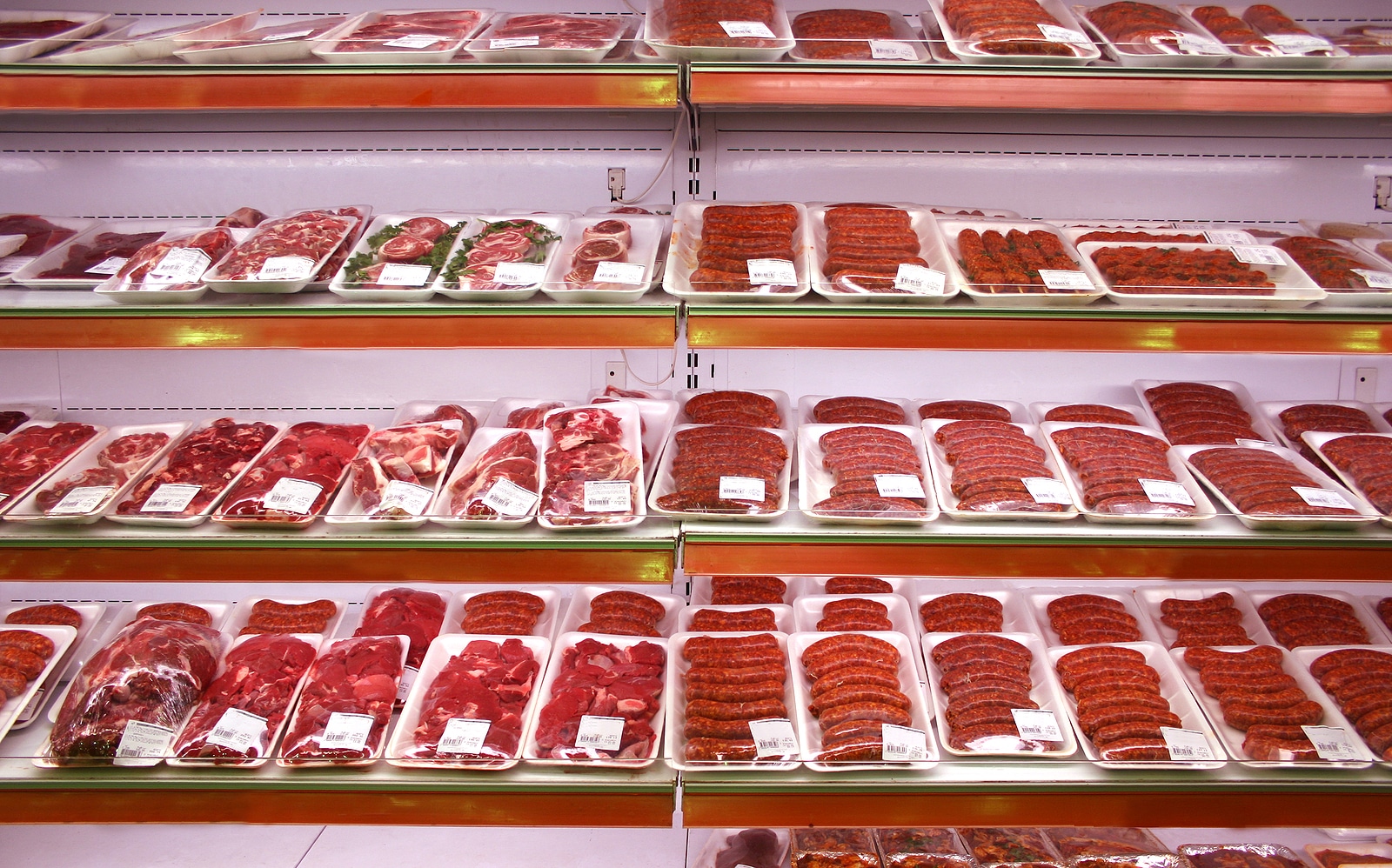
Nagle was correct and, unfortunately, the import plan did not work as promised. Data analysis from the American Farm Bureau Federation shows that the imports failed to significantly lower grocery costs, with a retail price reduction of zero to about 2%. Meanwhile, these imports further impeded struggling U.S. cattlemen, immediately and drastically devaluing domestic herds by hundreds of dollars per head.
Whistler says, “Imported beef puts additional pressure on Pennsylvania beef producers in an already fragile U.S. cattle market in several ways because it can lower cattle prices, it can discourage the farmer’s incentive to increase their herd, and it comes at a time when production costs are extremely high. For example, when cattle prices fall 40 cents within a month, that’s devastating for producers. If prices fall when farmers budget for a higher price per head, they will have to sell more animals than they originally anticipated to pay their bills.”
Indeed, this is what happened as a result of the executive order. U.S. ranchers lost $300-400 per head from June to August, 2026, when the order was announced. Economists for the Farm Bureau Intel state, “…lower cattle prices are discouraging the long-term certainty needed to grow the nation’s cattle herd and restore beef supply. Ultimately the most sustainable path toward greater beef availability and improved stability is not larger volumes of imported beef, but expansion of the U.S. cattle herd and growth in domestic beef production.”
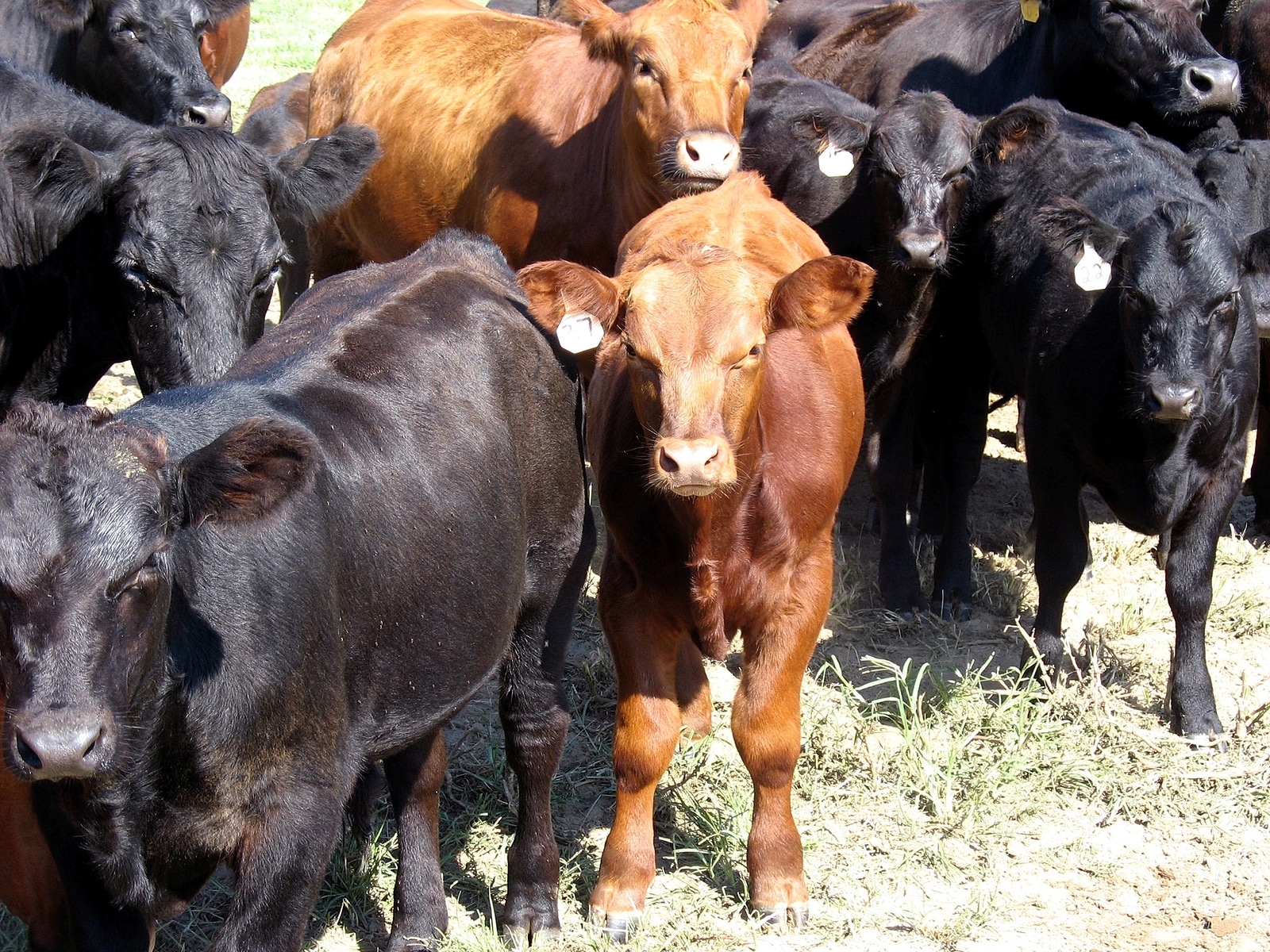
Instead of flooding the market with imported beef, experts believe that strengthening the domestic supply offers a far better long-term solution. Whisler says, “The biggest benefit for the domestic beef supply would be for incentives to be put in place to incentivize farmers to retain their replacement heifers.” He explains that farmers often sell their replacement heifers rather than sacrifice income for the year. Reduced prices per head only exacerbates the pressure to sell. Ultimately, though, the heifers are key to rebuilding the nation’s depleted herds and keeping the local, farm-to-table beef supply alive.
Another persistent issue in the beef industry is the omnipresence of the “Big Four,” a group of four massive companies that control roughly 85% of the U.S. beef market. These companies, Tyson Foods Inc., based in Arkansas, Cargill Incorporated, based in Minnesota, JBS S.A., based in Brazil, and National Beef Packing Co., based in the U.S. but controlled by Brazilian producer Marfrig Global Foods S.A., have the power to essentially set the nation’s beef prices, and remain under scrutiny for anti-competitive behavior and potential price fixing. Their dominance makes it extraordinarily difficult for smaller, independently owned beef farmers to scale up or compete in the market across the board.
A Look Ahead
While today’s beef producers navigate a challenging set of circumstances, the industry moves forward with cautious optimism. Farmers are adapting with agility and, in Pennsylvania, the majority of producers plan to maintain or grow their herds rather than exit the business, according to a recent survey by the Penn State Extension.
A growing number of farmers have made the wise pivot to growing forage grains onsite, cutting down on operational and input costs. Many also implement rotational grazing, which can both offset feed costs and meet the growing demand for grass-fed beef.
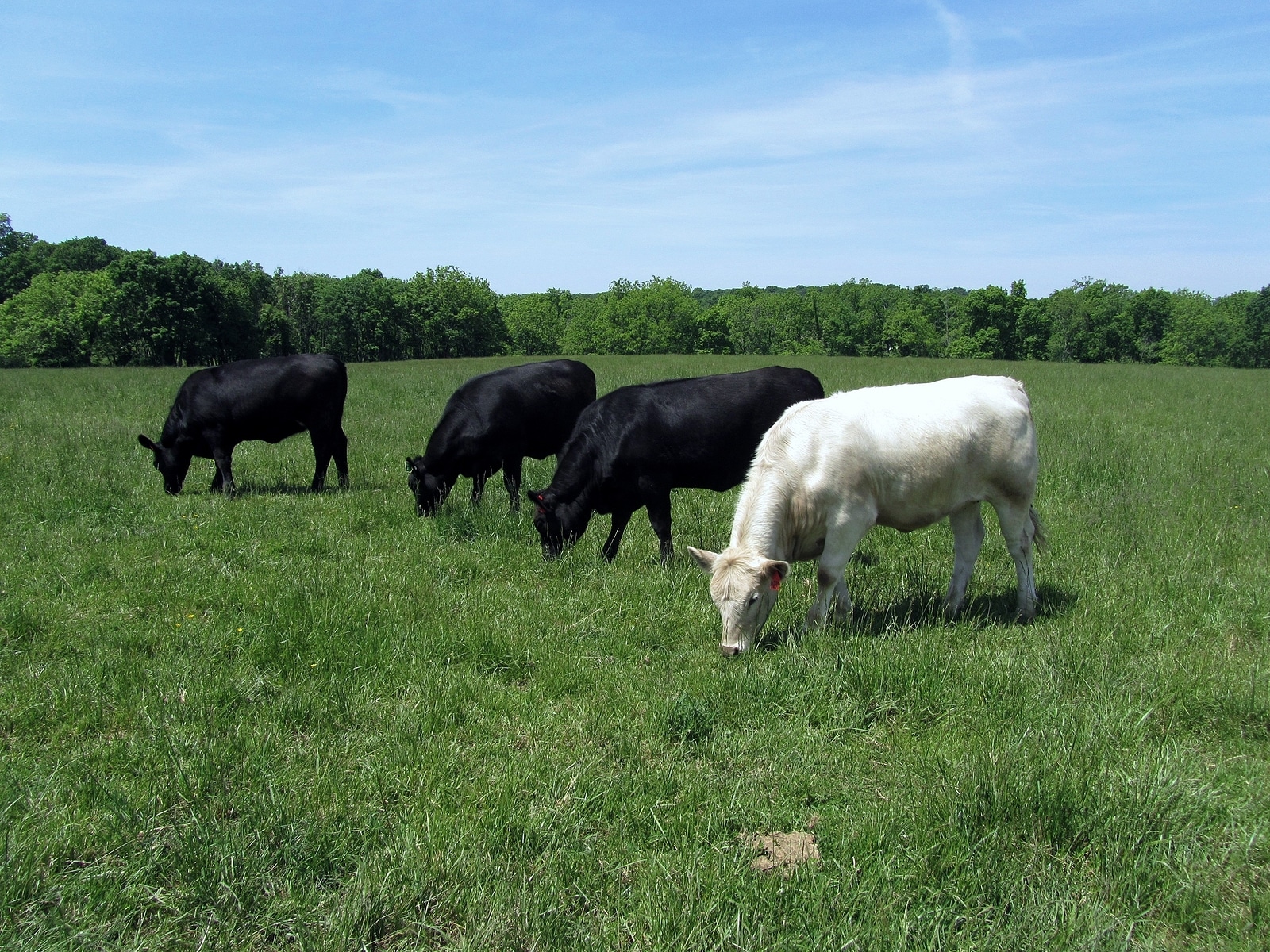
Farmers are also selling direct-to-consumer and through local retailers, rather than in auction markets. This cuts out a variety of middleman markups and allows farmers to invest in a market they can get to know, personally. And, as large scale slaughter operations shutter, like the JBS USA plant in Souderton, Pennsylvania, beef farmers are working with local family packers. This not only strengthens the local economy, but gives the beef farmers more say in the end products. It also allows for specialty products, like dry-aged beef, which large plants cannot offer. Pennsylvania is home to the second highest number of small meat packing plants in the country, signifying the strength of the industry.
Consumer Options
There are ways to enjoy local, Pennsylvania beef without breaking the bank. It starts by getting to know the producers near you. Makens says, “the Pennsylvania Beef Council maintains a local beef directory to help consumers find local farms.” You can also check the PA Preferred search tool. Farmers market and food co-op vendor lists are great resources, as well.
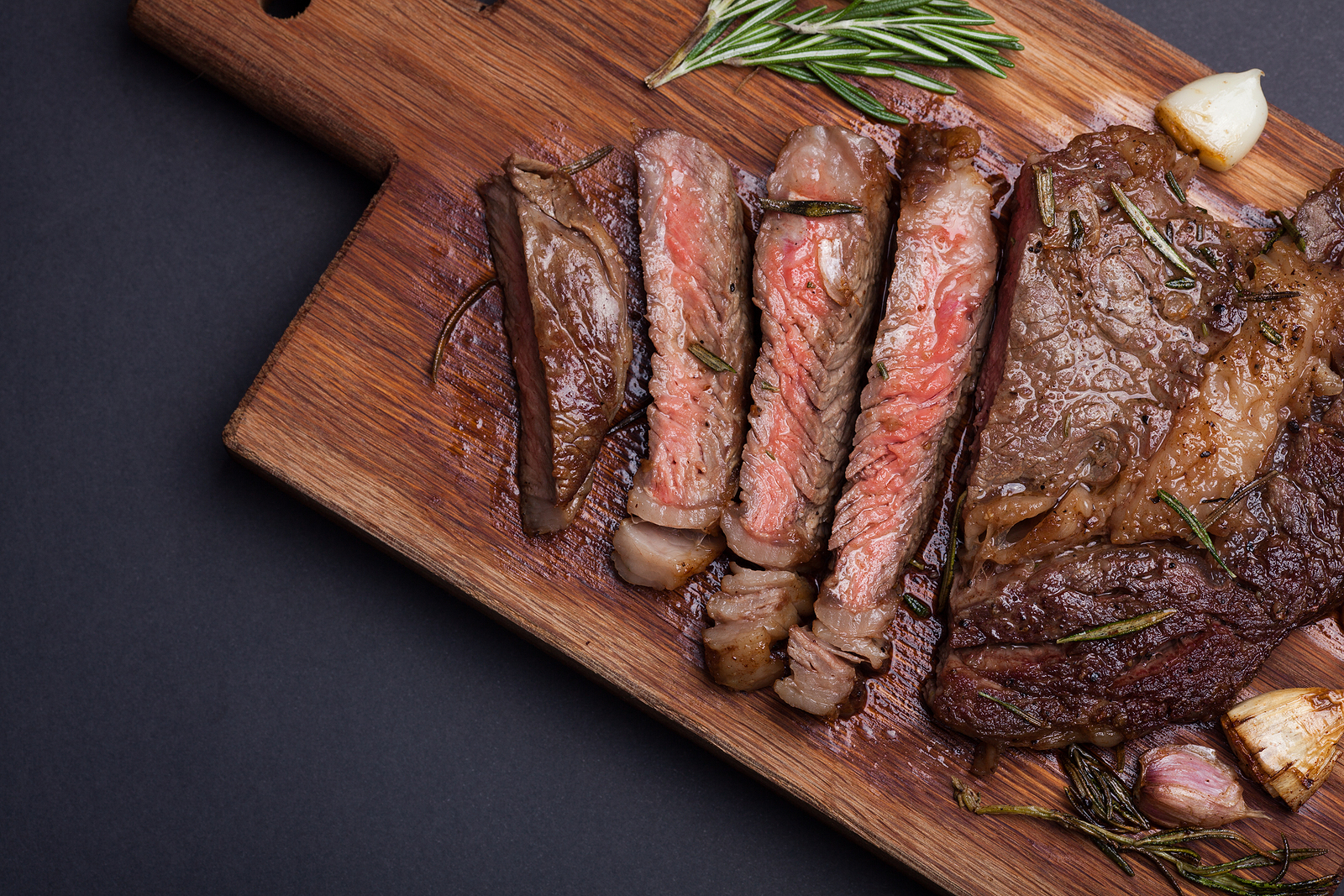
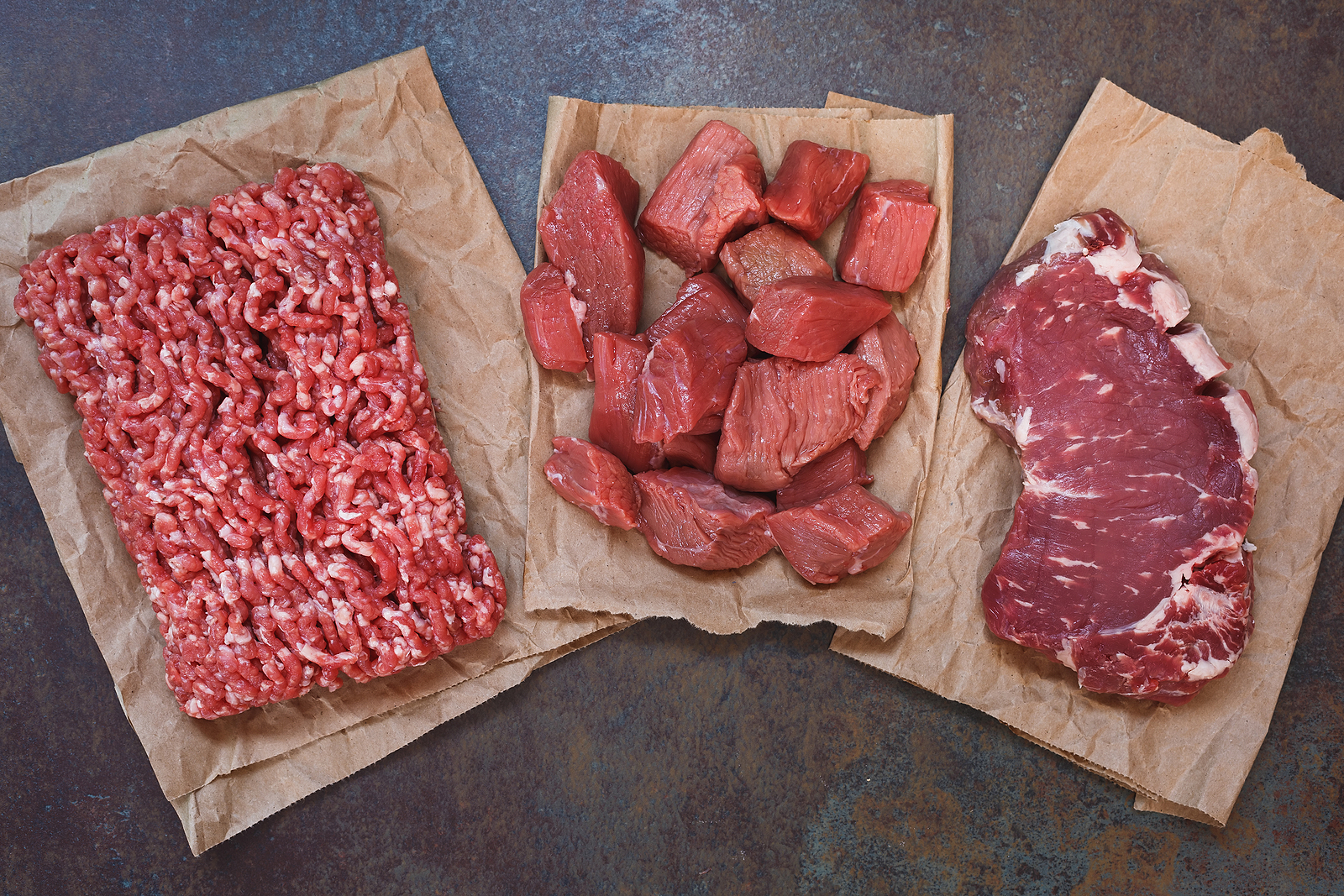
Makens points out, “The great thing about beef is that it’s incredibly versatile and there are so many cuts to choose from – and you can even swap them out for one another to save money. For example, if you’re planning a big celebration dinner and wanted a filet mignon, but you’re looking for ways to save money, you can swap for a strip steak or a top sirloin filet. You are still going to have an amazing steak, but likely at a lower price point.”
Whisler suggests reaching out to local farmers and seeing what they might have on offer. “While buying beef in bulk may not be for everyone, many farmers offer a variety of options, including ground beef, beef by the cut and bulk orders. In Pennsylvania, consumers can look for beef with a PA Preferred label to support Pennsylvania-raised beef,” he says.

Beef. It’s What’s for Dinner. offers a Beef on a Budget guide, full of budget-friendly recipes, creative leftover re-use ideas and cooking tips. Dishes like Native American tacos and cheesy meatball pockets keep things interesting and tasty.
Makens says, “Often, some of the simplest and easiest things to make – like a burger or spaghetti and meatballs – are the biggest crowd-pleasers for all ages. So, even if you spend a little more up front, you know you’re making a meal that’s nutrient dense, high in protein and something that is not going to be wasted.”
Check out these resources and recipes as you navigate meal planning:
Local Producers:

Amy and Rob Hess of Bow Creek Farm & Cattle Co.
- Meet Three Pennsylvania Beef Farmers from Eastern PA
- Meet Three Pennsylvania Beef Farmers from Western PA
- PA Preferred® Lil’ Ponderosa Beef (Cumberland County) Locust Point Cattle Company (York County), Last Chance Angus (Lehigh County), Bow Creek Farm & Cattle Co. (Dauphin County), Honey Brook Farm (Schuylkill County), JP’s Farmers Market (Westmoreland County) and Heritage Farms (Fayette County)
- 10 Robust PA CSAs Making Farm-to-Table Living Easy
Meal Planning & Prep:
- Easy Swaps for 6 Common Cuts of Beef
- Eating Affordable, Delicious, Local Beef
- PA Beef 101: 12 Popular Cuts and How to Use Them
Beef Recipes:
- 4 Fresh Recipes Celebrating PA Beef
- 2 Delicious Recipes Using Shredded Beef
- 2 Great Techniques for Local Ground Beef
- Pennsylvania Beef Chili
- Nourish PA beef recipes
You can stay up to date on the beef farming industry and the issues affecting it by heading to the National Cattlemen’s Beef Association, the Pennsylvania Farm Bureau and the PA Beef Council websites, and following them on social media. Join the conversation about PA beef and tell us how you’re responding to the current issues in the comments here and on the PA Eats Facebook and Instagram pages!
- Steak with garlic: Pexels
- Bow Creek Farm & Cattle Co. photo: Bow Creek Farm & Cattle Co.
- Cobb salad: Dish Works
- All other photos: Bigstock